
The Proxy Persona: When Your Inbox Becomes an AI Output

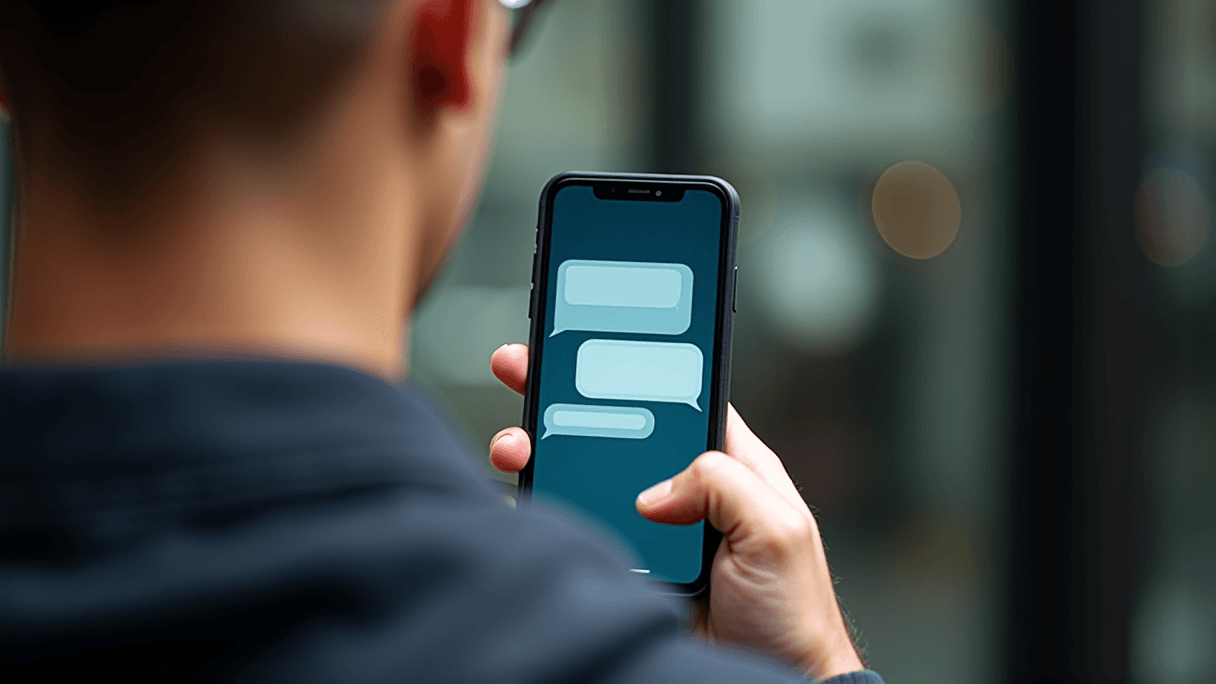
AI-generated image · US National Wire
OpenAI's new Apple Messages integration marks a shift from AI as a tool to AI as a social proxy, blurring the line between human intent and machine execution.
For years, the digital persona was a manual construction—a series of conscious choices made by a human behind a screen. But we are entering an era where the 'human' interface is becoming a curated output of large language models. The latest catalyst for this erosion is the launch of an Apple Messages plug-in for ChatGPT, as TechCrunch first reported.
On the surface, the integration is presented as a productivity win. According to TechCrunch, OpenAI claims the plug-in allows users to sort, analyze, and edit their messages through the chatbot. The utility extends into the professional realm, as the tool is compatible with ChatGPT Work and Codex. In a commercial for the feature, TechCrunch notes a user asks the AI to suggest follow-up messages to contacts based on conversations from the previous day.
However, the mechanism moves beyond mere suggestion. The plug-in enables ChatGPT to search deep message histories, delete messages, and—most pivotally—draft and send messages on the user's behalf.
***Opinion:*** *This is the tipping point where the digital self ceases to be an expression of the individual and becomes a managed proxy. When an AI is tasked with drafting and sending responses based on an analysis of past behavior, the resulting interaction is no longer a conversation between two people; it is a negotiation between two algorithms. We are moving toward a social ecosystem where the 'human' touch is actually a synthetic approximation designed for efficiency.*
This shift introduces significant friction regarding authenticity and privacy. TechCrunch reports that OpenAI told Bloomberg the plug-in operates locally on the user's machine and does not create an index of all messages, though the exact technical specifics remain unclear.
The risk of total delegation is already present in the software's settings. TechCrunch highlights that OpenAI warns users against enabling 'persistent approval,' as doing so removes the final opportunity for a human to review a message before ChatGPT sends it as the user.
As we outsource the labor of connection to OpenAI, the digital persona is no longer something we inhabit—it is something we manage via a dashboard. The interface is no longer a bridge to another person; it is a filter that ensures the output is optimized, even if the human element is entirely removed from the loop.