
The Shift to Synthetic Physics: World Models Move Beyond LLMs

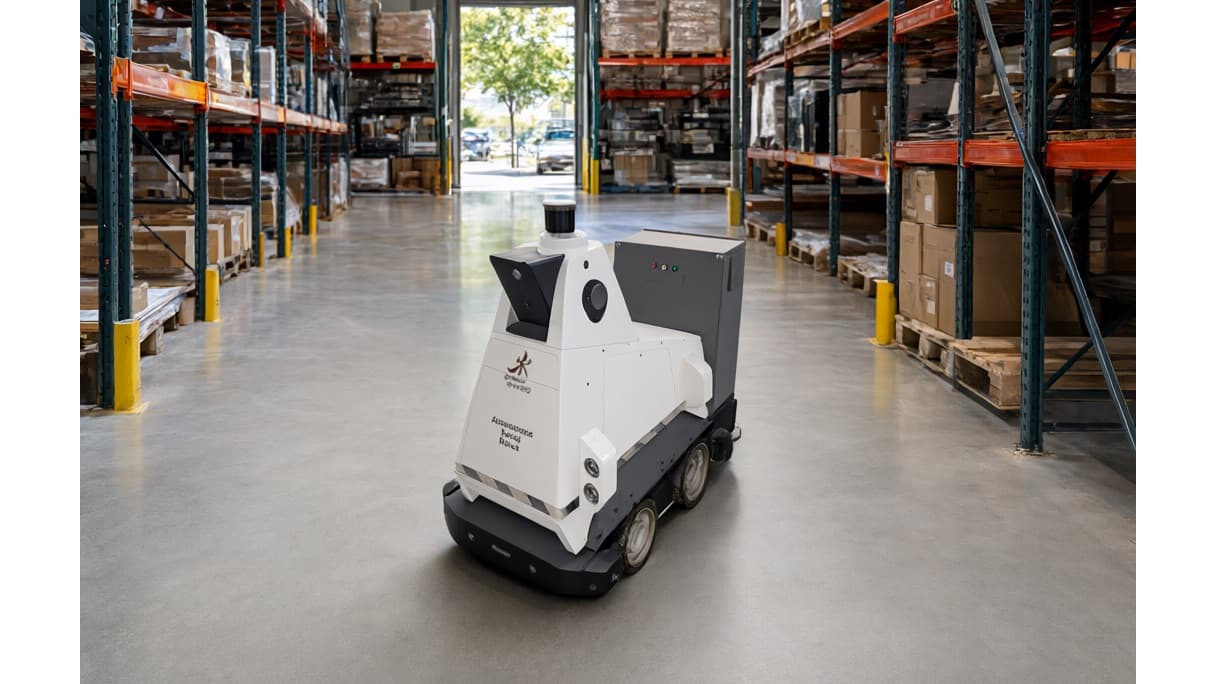
AI-generated image · US National Wire
Investment is flowing into 3D simulations that teach autonomous systems to navigate reality through physics-based training.
The frontier of AI is shifting from text-based large language models to "world models" that simulate real-world physics to train autonomous systems, as first reported by Wired. These models use visual inputs to predict the next visual state of an environment, creating digital training grounds for driverless cars and home robotics.
Capital is aggressively following this pivot. Wired reports that Stanford computer scientist Fei-Fei Li launched World Labs in 2024, a startup acquired by AMD this year for more than $8 billion. Additionally, Yann LeCun, the former chief AI scientist at Meta, recently raised over $1 billion to fund his startup, Advanced Machines Intelligence. Major gaming entities like Tencent are also investing in the technology due to the core requirements of 3D rendering and physics.
Industry leaders emphasize that these simulations allow for risk-free training. Brian McClendon, CTO of Niantic Spatial, notes that world models enable robots to run millions of simulations within a generated 3D model of a specific space before ever moving physically. Similarly, Jamie Shotton, chief scientist at Wayve, explains that the company uses dashcam footage to power generative world models that recreate hazardous road conditions impractical for real-life testing.
As these systems scale, the demand for raw physical data is increasing. Wired reports that AI labs are utilizing gig workers to record mundane physical tasks—such as folding laundry—to help these models better understand cause and effect in the physical world.