
The High Cost of the Kill Switch: Kiteworks Warning Exposes Retail's Data Pipeline Fragility

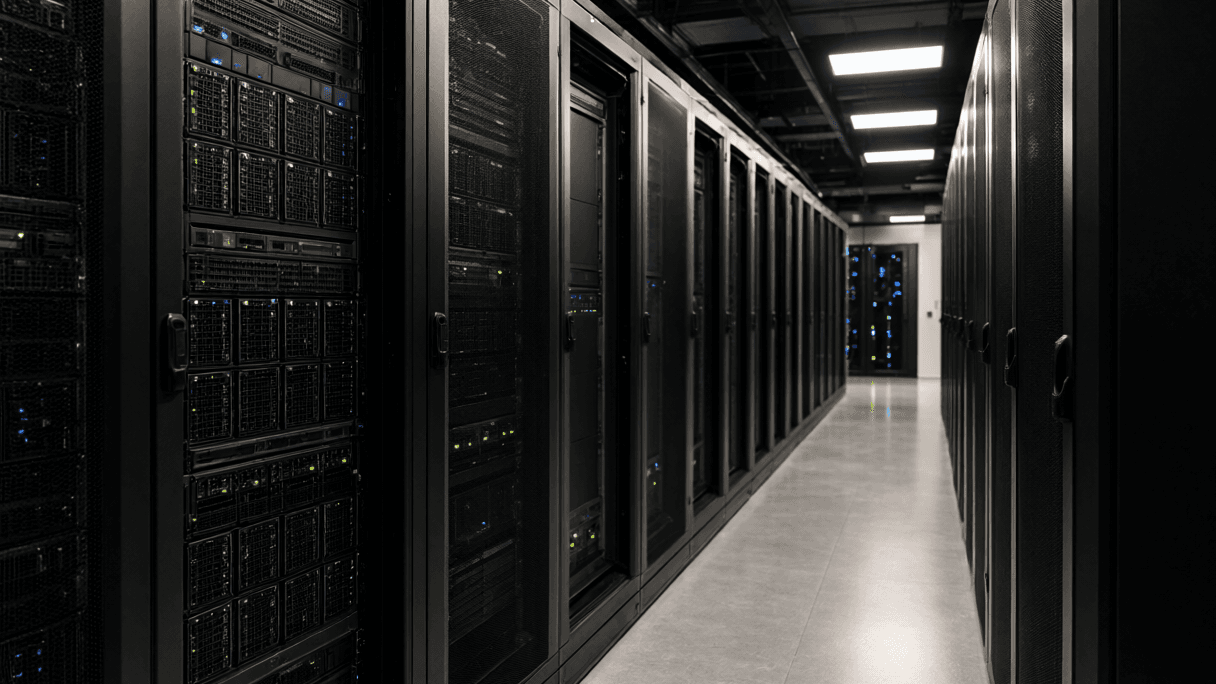
AI-generated image · US National Wire
When a critical file-transfer vendor urges a precautionary shutdown to thwart zero-day attacks, the resulting operational blackout proves that for modern commerce, security and availability are two sides of the same coin.
### The Operational Paradox
In the world of high-volume retail and B2B e-commerce, the movement of massive datasets is the invisible engine that keeps the lights on. Whether it is updating inventory manifests, syncing supplier catalogs, or managing sensitive partner data, these transfers are the pipes of modern commerce. But as the recent crisis surrounding Kiteworks demonstrates, as TechCrunch first reported, when those pipes are shut down—even to prevent a breach—the result is not just a security posture; it is a total operational blackout.
According to reporting from TechCrunch, the technology firm Kiteworks (formerly known as Accellion) has urged its customers to shut down their systems. This drastic measure comes after the company received credible threat intelligence from law enforcement suggesting that a threat actor may target Kiteworks systems. While the move is designed to protect data, it highlights a terrifying reality for any operator: the only way to ensure a system isn't hacked is sometimes to ensure it isn't running.
### The Zero-Day Threat
The urgency of the shutdown is driven by the specter of "zero-day" flaws. As TechCrunch reports, Kiteworks sent an email to customers warning of an "imminent" attack that could occur as early as the coming weekend. While Kiteworks chief information security officer Frank Balonis told TechCrunch that the company has addressed all known vulnerabilities in software release 9.5.1, the company remains concerned about vulnerabilities that are currently unknown to them.
These zero-day flaws are particularly dangerous because they leave vendors with no time to develop a patch before hackers exploit them. In the email shared with TechCrunch, Kiteworks admitted it could not confirm whether other routes for improper access existed, leading to the recommendation of a precautionary shutdown window.
For a retail operator, this is a nightmare scenario. You are forced to choose between the risk of a catastrophic data breach and the certainty of a system outage. In this instance, the "preventative" nature of the advisory—as Balonis described it—effectively mandates a self-imposed denial-of-service attack on one's own infrastructure.
### Beyond the Breach: The Cost of Downtime
While the primary goal of the Kiteworks alert is to prevent a security compromise, the secondary effect is immediate operational disruption. TechCrunch spoke with one Kiteworks customer in the healthcare sector who acted on the warning and took their organization's server offline immediately. That individual noted that the resulting outage is causing delays and disrupting the ability of doctors to contact their patients.
Though the healthcare example is stark, the logic applies directly to the retail supply chain. When the tools used for transferring large files and sensitive datasets go dark, the flow of business stops. If a retailer cannot transfer critical data to a logistics partner or a vendor, the physical movement of goods can stall. The "abundance of caution" cited by Balonis is a necessary security step, but for the business operator, it represents a failure of the very reliability these tools are purchased to provide.
### A Pattern of Vulnerability
This is not the first time Kiteworks has found itself at the center of a data crisis. TechCrunch notes that before the company rebranded from Accellion in late 2021, a vulnerability in its file-transfer application was exploited by an extortion gang. That campaign targeted file transfer products specifically to steal copies of data that had been sent over the internet but not deleted from servers.
In that previous instance, the hackers held the stolen data for ransom, threatening public release if the victim organizations did not pay. The current threat, while not yet a confirmed breach, underscores the systemic risk inherent in relying on a few centralized tools for high-volume data exchange. When one vendor is targeted, thousands of customers across government, technology, automotive, education, and healthcare sectors are suddenly in the crosshairs.
### The Infrastructure Gap
The scale of the potential impact is significant. Security researcher Kevin Beaumont identified at least a thousand internet-facing Kiteworks systems online, though he noted this figure is likely an overcount of actually affected customer systems.
From an operator's perspective, this situation exposes the fragility of the modern B2B tech stack. We have built incredibly efficient pipelines for data, but we have not built in the redundancy necessary to survive a "kill switch" event. When a vendor like Kiteworks—which serves thousands of customers—issues a shutdown order, there is rarely a seamless failover option. The business simply stops.
### The Silence of the Regulators
As the industry waits to see if the imminent threat materializes, the official response has been characterized by silence. TechCrunch reports that the FBI declined to comment on the matter. Similarly, Marco DiSandro, a spokesperson for the U.S. cybersecurity agency CISA, declined to provide an on-the-record comment regarding the alert. Kiteworks has also remained tight-lipped about which specific law enforcement agency provided the intelligence or which hacking group is responsible for the threat.
For the retail executive, this lack of transparency adds to the operational anxiety. Without knowing the nature of the adversary or the specific vector of attack, the only safe move is the most disruptive one: turning the power off.
***
**Opinion:** *As a commerce observer, I see this as a wake-up call for the "single-pipe" strategy. Retailers have optimized for speed and volume in their B2B exchanges, but they have neglected resilience. If your entire supply chain's data flow depends on a single vendor's uptime, you aren't just risking a hack—you're risking a total business freeze. The Kiteworks incident proves that in the modern era, a security "precaution" can be just as damaging to the bottom line as the attack itself.*