
Opinion: Meta Connect 2026: The Push to Unseat the Smartphone at the Point of Sale

AI-generated image · US National Wire
As Mark Zuckerberg unveils a new era of AI wearables, Meta is attempting to pivot away from privacy scandals toward a camera-free, AI-driven future.
From a commerce operator's perspective, it appears the battle for the customer's attention is moving from the pocket to the face. Meta's strategic pivot toward AI wearables suggests more than just a gadget play; it represents a potential attempt to dismantle the smartphone's monopoly on the point-of-sale customer journey.
At Meta Connect 2026, CEO Mark Zuckerberg is centering the company's future on AI, smart glasses, and immersive technology. According to reporting from The Verge, Zuckerberg's keynote is framed around how "Meta is building a future for everyone," with a heavy emphasis on the company's recently launched Muse AI agent and new hardware.
**The Privacy Pivot** Meta is currently fighting a reputation crisis. Engadget reports that the company's existing smart glasses have been derided as "pervert glasses" due to privacy and harassment concerns stemming from built-in cameras. While Meta has implemented privacy fixes—such as disabling cameras when the flashing LED is blocked—and launched new marketing campaigns, the company is expected to take a more drastic step.
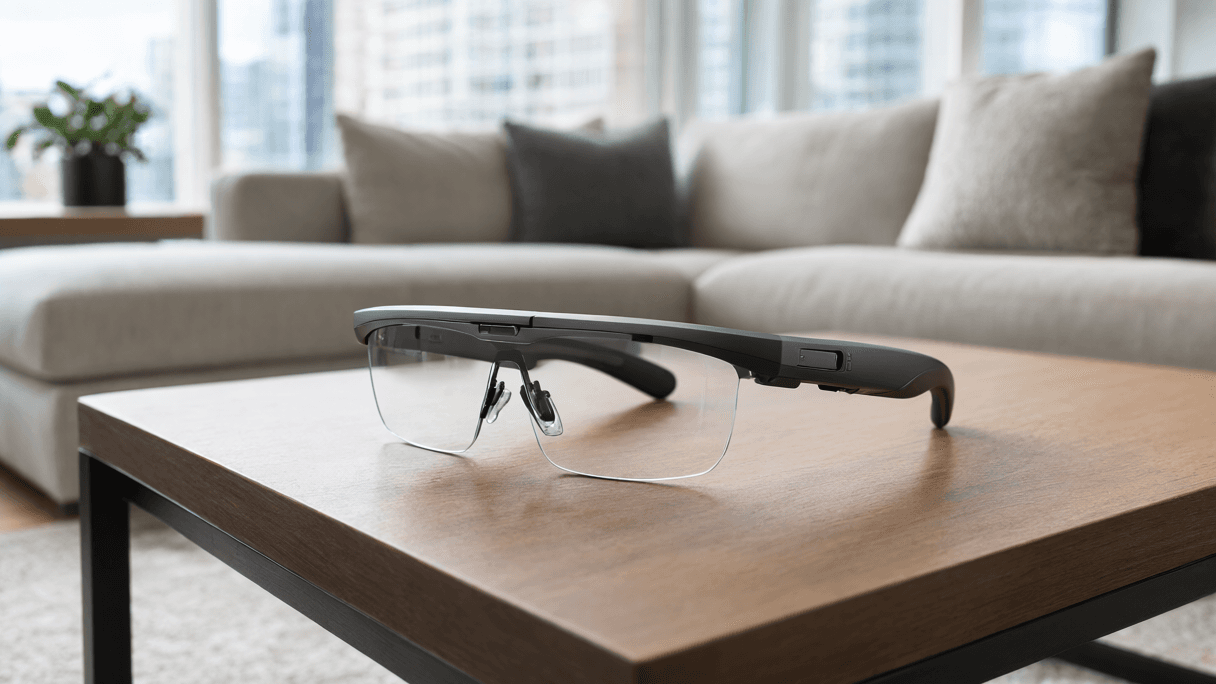
Engadget, citing The Information, reports that Meta is expected to launch camera-free smart glasses, unofficially dubbed "Luna." These glasses reportedly feature six built-in microphones, allowing users to interact with the Muse personal AI agent and Meta's AI chatbot without the privacy baggage of a camera. This shift suggests a move toward audio-first AI utility that could integrate more seamlessly into a consumer's shopping experience than a handheld device.
**Expanding the Immersive Ecosystem** Beyond the glasses, Meta is doubling down on its dominant position in the VR market. Engadget notes that Meta is estimated to hold over 50 percent of the VR headset market, with its Quest line consistently outselling competitors. While the company has scaled back some VR ambitions, The Verge reports that leaks suggest the reveal of new mixed reality glasses.
Furthermore, Engadget highlights the potential reveal of a slimmer mixed reality headset codenamed "Project Phoenix." Although this device may not hit shelves this year, its introduction would signal Meta's intent to maintain a presence across the entire spectrum of wearable computing, from lightweight audio glasses to fully immersive headsets.
**The Competitive Landscape** Meta's push comes amid a flurry of activity from other tech giants. Engadget notes that Samsung showcased a Galaxy XR headset in October 2025, while Google has been promoting its Android XR platform. This surge in development is viewed as a reaction to the Apple Vision Pro. By diversifying its hardware—from the second-generation Ray-Ban Meta and Oakley Meta Vanguards to the potential "Luna" and "Project Phoenix"—Meta is positioning itself to capture the user's attention long before they ever reach for a smartphone.