
Meta’s Muse Charm: Betting on 'Wearable Vanity' to Scale AI Hardware

AI-generated image · US National Wire
By pivoting from utility to fashion accessory, Meta aims to bypass the 'AI amulet' cliché and tap into Gen Z's appetite for customizable, retro-inspired bag charms.
Meta is attempting to solve the AI hardware adoption problem by repositioning the gadget as a high-margin fashion accessory. While previous AI wearables like the Rabbit, Ai Pin, and Friend pendant have struggled to gain traction, Meta is betting that the **Muse Charm** can succeed by leaning into "wearable vanity."
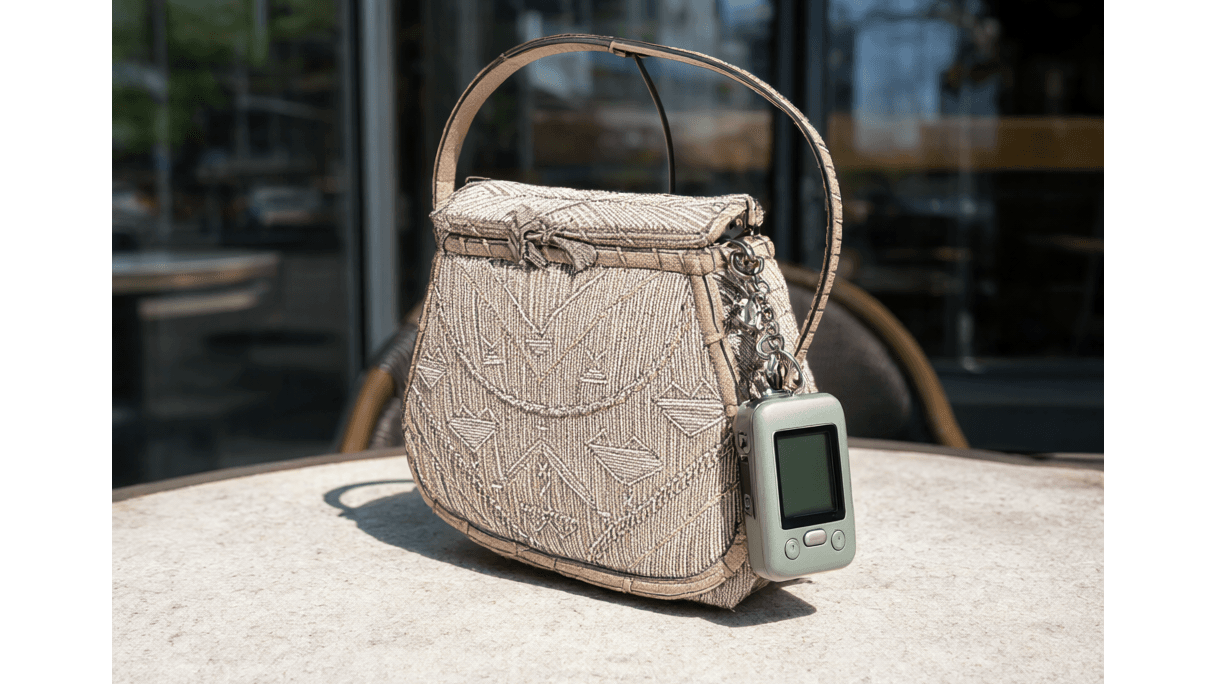
Revealed by CEO Mark Zuckerberg during the company's annual Connect event, the Muse Charm is a palm-sized, keychain-compatible device that houses Meta's Muse AI agent. According to reporting from *Engadget* and *TechCrunch*, the device features a small screen displaying an interchangeable digital avatar (referred to internally as "Jolly") and a fingerprint sensor in the corner that allows users to interact with the AI via real-time voice and avatar stacks without unlocking a phone.
**The Fashion Play**
From an operator's perspective, Meta isn't just selling a tool; it's tapping into a specific Gen Z consumer behavior. *TechCrunch* notes that young consumers—particularly women—have already established a massive market for "dangling items" on bags and keychains. This trend is evidenced by several high-profile examples:
* **Rhode:** Hailey Bieber's brand saw $212 million in annual net sales from a small lineup of products, including viral lip cases and beauty-focused bag charms (as reported by Vogue), before its billion-dollar exit to Elf Beauty. * **Pop Mart:** The Chinese retailer saw revenue jump 7x from 2019 to $1.8 billion in 2024, driven by the "so-ugly-it's-cute" Labubu fuzzy monster charms. * **Coach:** The brand's cherry charms have become a favorite among Gen Z consumers.
One analyst firm cited by *TechCrunch* estimates the global bag charm market will exceed $1 billion by 2030. By making the Muse Charm customizable, Meta is positioning the AI agent as a reflection of the user's personality, mirroring how consumers use jewelry and makeup.
**Retro-Tech as a Connection Tool**
The Muse Charm's form factor, which *Engadget* and *TechCrunch* compare to the 90s-era Tamagotchi, aligns with a broader "retro-tech" shift. *TechCrunch* reports that Gen Z is increasingly returning to physical tech—such as digital cameras, flip phones, and wired earbuds—as a reaction to the "soulness" of algorithm-driven feeds. This desire for tactile control is even seen in the rise of "cyberdecks" (mini computers in custom cases) and the trend of repurposing Apple Watches as keychains via third-party accessories from retailers like Amazon, Walmart, eBay, and Etsy.
**The Execution Risk**
Despite the fashion-forward approach, Meta faces significant headwinds. *TechCrunch* highlights a history of consumer trust issues, including FTC settlements over deceptive privacy practices and congressional scrutiny regarding harms to minors.
While Zuckerberg stated that the device is intended to be the fastest way to interact with Muse for those not wearing glasses, the company is still finalizing components. Meta aims to ship the Muse Charm in time for the December holiday season. Regarding monetization, Meta indicated it will charge a small fee for transactions, though *TechCrunch* notes the company's ultimate goal remains highly-targeted, personalized advertising.