
The High Cost of Technical Debt: Lessons from the FAA Ground Stop

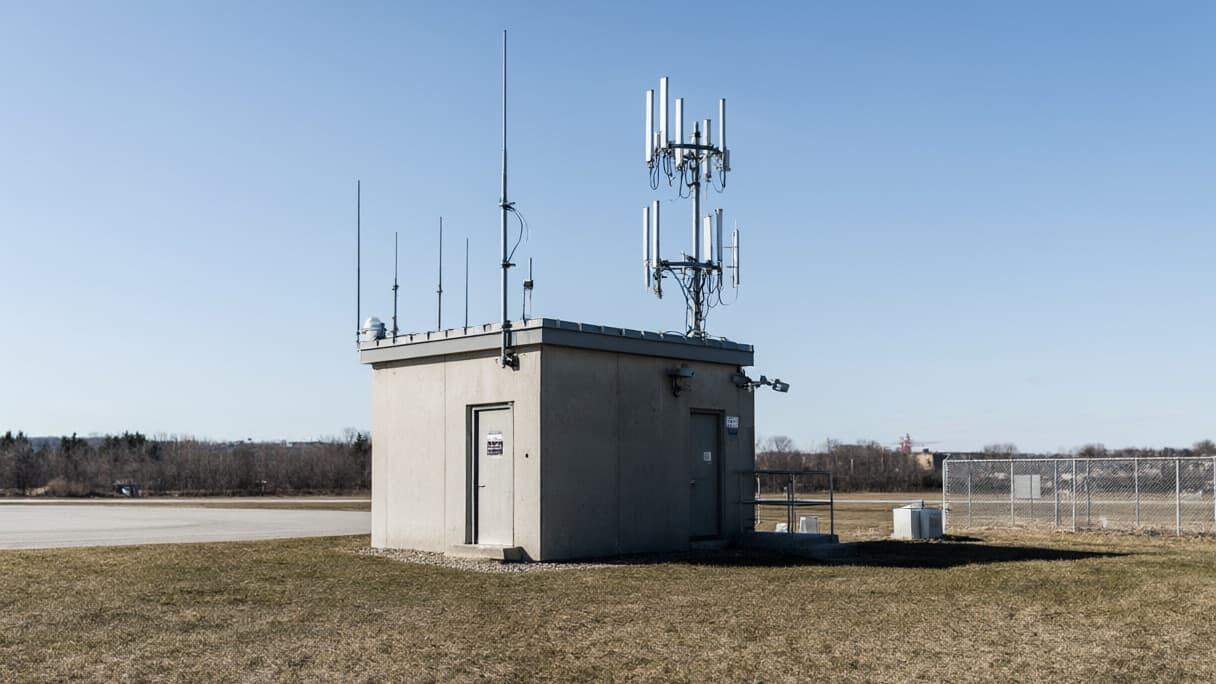
AI-generated image · US National Wire
A failure in the FAA's legacy communications backbone underscores the systemic risk of patching outdated infrastructure during modernization.
From an enterprise operations lens, the recent nationwide ground stop is a textbook example of the catastrophic risks associated with technical debt. When legacy infrastructure is pushed to its limit, a single point of failure can trigger a systemic collapse that far outweighs the cost of the original modernization effort.
According to reporting from Wired, the disruption centered on the FAA Telecommunications Infrastructure (FTI), the private communications backbone for the air traffic control system. The FTI is currently undergoing a multiyear modernization to replace decades-old copper wiring with high-speed fiber-optic cables. While the FAA claims this update is intended to increase safety and reduce outages, the transition process itself created a critical vulnerability.
Transportation Secretary Sean Duffy explained in a press conference reported by The Verge that the ground stop was triggered during routine maintenance to replace outdated copper wire at a remote FAA facility. The failure occurred when a newly installed router began "flooding" other routers within the Air Traffic Control system. Duffy noted that there were more than 1,000 connection attempts every four to five seconds, which disrupted communication with aircraft and radar feeds.
***Opinion:*** *This is a classic integration failure. In the SaaS and enterprise world, we see this when "modern" components are layered over legacy architecture without sufficient isolation. The result is not a gradual improvement, but a fragile hybrid system where the new technology inadvertently overwhelms the old.*
U.S. Department of Homeland Security Secretary Markwayne Mullin corroborated this, stating at a White House briefing that the issue stemmed from "putting patches into the system" while installing new equipment, noting that the new technology overwhelmed the older system. Secretary Duffy attributed the failure to "old switches, old routers," and a "data overload," though he noted the root cause remained unclear—citing possibilities ranging from faulty hardware and misconfigured routers to "incompetence" by the government contractor, L3Harris Technologies.
The operational ROI of neglecting this debt is stark. Wired reports that by the time the five-hour ground stop was lifted on Friday, FlightAware recorded over 6,300 canceled flights and 9,500 delays within, into, or out of the U.S., affecting mail and freight as well.
Furthermore, the governance of this modernization appears fragmented. Wired cites a September report from the U.S. Government Accountability Office (GAO) which warned that the FAA might be prioritizing speed over costs and the prevention of air traffic disruptions. The GAO found that the FAA lacks a "well-documented" life-cycle cost estimate and is managing the project via 11,389 non-integrated schedules rather than a single master schedule.
As the FAA looks toward the future—including the integration of drones and electric vertical take-off and landing aircraft (eVTOLs)—the financial stakes are rising. Secretary Duffy initially requested $30.1 billion from Congress to further upgrade the system, but later upped the request to $50 billion. Additionally, Wired reports that the FAA recently tapped AT&T for a $73 million contract to upgrade the FTI, a figure expected to climb into the billions over time. L3Harris, which previously stated it had completed 50 percent of its modernization project in May, continues to operate the legacy system during these transitions.