
The Electrification Delusion: Why Targets Aren't Infrastructure

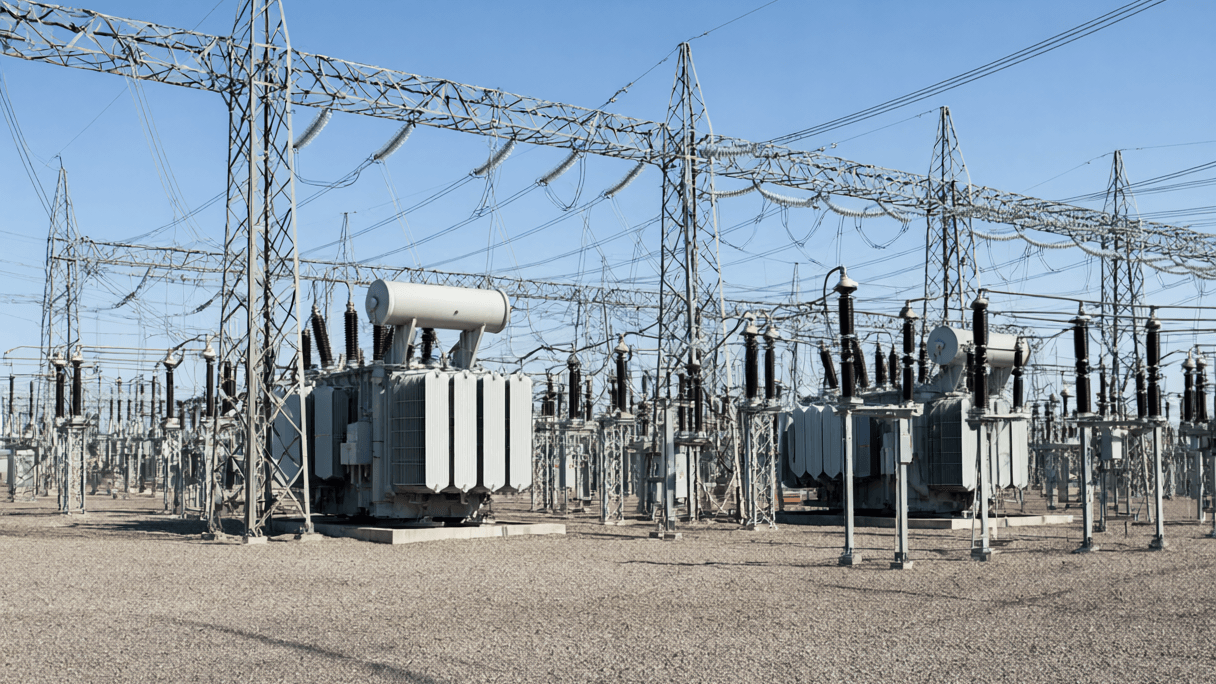
AI-generated image · US National Wire
Opinion: The IEA is chasing a 35 percent electrification goal by 2035, but without addressing brutal upfront costs and political inertia, these targets are merely academic.
In the world of clean tech, we have a habit of confusing the map with the territory. Right now, the map is being drawn by the International Energy Agency (IEA) and climate negotiators who are focused on a specific destination: reaching 35 percent electrification of final energy by 2035, a goal discussed by policymakers in Bonn, Germany, as first reported by Ars Technica.
On paper, the logic is seductive. Fatih Birol, head of the IEA, argues that the "energy trilemma"—the struggle to balance security, cost, and environmental impact—is finally aligning. He suggests that electricity is becoming the most secure, cleanest, and cheapest option, a shift accelerated by fuel price spikes resulting from the Iran war. The math supports this optimism in the short term. According to 2025 global averages from the IEA, electricity offers a massive efficiency edge: $100 of electricity powers an EV for 2,310 miles compared to just 862 miles for gasoline, and a heat pump provides 40 percent more heating days than a gas boiler for the same spend.
But as a pragmatic observer of deployment, I have to ask: when do we stop talking about the 'trilemma' and start talking about the trenches?
Setting a percentage target for 2035 is the easy part. The brutal reality is that the physical transition is not a natural evolution; it is a capital-intensive overhaul. Kenneth Medlock III, senior director for the Center for Energy Studies at Rice University’s Baker Institute for Public Policy, notes that a major oversight in the push for electrification is the massive upfront cost required to build these systems. While wind and solar boast low operating costs, they are expensive to construct. This isn't just a hurdle for the West; it's a wall for developing nations. Chuks Okereke, a professor at the University of Bristol, notes that in Nigeria, polluting development often makes more short-term economic sense because of these infrastructure costs. Without massive assistance from international organizations and wealthy nations, the IEA's optimism ignores the actual context of global deployment.
Furthermore, we are fighting a war on two fronts: the physical and the political. David Victor, a professor at the University of California, San Diego, rightly observes that electrification isn't inevitable. He notes that heavy trucks, aircraft, and maritime transport aren't poised for a rapid shift, and trade barriers—specifically those targeting Chinese solar panels—could throttle progress.
Then there is the human element. Emily Grubert, an energy systems researcher at the University of Notre Dame, hits the nail on the head when she notes that the "we" making the decisions are often not the "we" Birol refers to in his optimistic projections. In places like the United States, entrenched fossil fuel industries hold significant political sway, prioritizing the profits of coal, oil, and natural gas over the transition to cleaner sources.
If we want to hit that 35 percent target, we need to stop treating electrification as a foregone conclusion driven by efficiency ratios. We need to start talking about who pays for the infrastructure, how we break the political deadlock of fossil lobbying, and how we navigate the trade wars of the 21st century. Until then, the IEA's goal is just a number on a slide deck.