
Smuggling Ring Highlights Gaps in AI Hardware Export Controls

AI-generated image · US National Wire
The arrest of a tech CEO for diverting $300 million in Nvidia chips to China underscores the difficulty of enforcing trade barriers against high-demand compute hardware.
The U.S. government has arrested Greg Lui, the 38-year-old CEO of Earthmade Computer, for allegedly smuggling more than $300 million in export-controlled Nvidia hardware into China. According to the Department of Justice and FBI, Lui orchestrated a scheme from October 2023 to August 2026 using false paperwork and freight-forwarding firms in Singapore and Malaysia to mask shipments destined for a Chinese firm in Hangzhou.
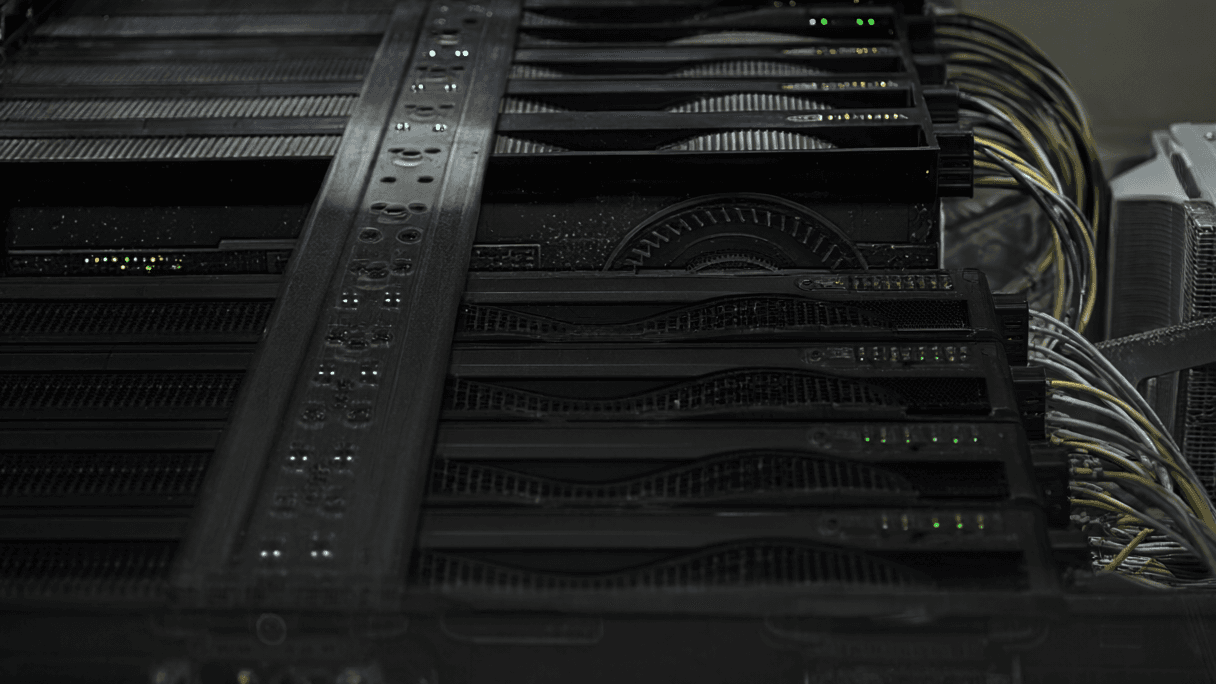
Reporting from Ars Technica and The Register indicates the smuggled hardware included servers containing Nvidia A100 and H100 GPUs, as well as PNY GE Force RTX 4090 and GeForce RTX 5090 GPUs. The DOJ alleges Lui used fraudulent documentation, including a fake buyer identity and a California-registered front company called "Topmost" (registered by the CTO of a Malaysian transshipment business), to evade detection. Bank records from JP Morgan and Bank of America allegedly show Lui received over $176 million in payments from two Malaysian transshipment companies through the operation.
While Nvidia has downplayed the impact, telling Bloomberg that diverted products represent "less than one half of one percent" of its total, a Bloomberg investigation suggests a sprawling shadow trade of hundreds of thousands of chips may be powering Chinese data centers. This black market potentially fills a hardware gap that one top executive told Bloomberg China may not resolve independently until 2030.
John A. Eisenberg, assistant attorney general for national security, described "super intelligence" (SI) as the defining technology of the era, while FBI assistant director Roman Rozhavsky stated that controlling the export of this technology is critical to national security. Lui faces charges including money laundering and violations of the Export Control Reform Act, with a maximum possible sentence of 50 years.