
The Data Center Crisis is a Grid Crisis, Not a Zoning Dispute

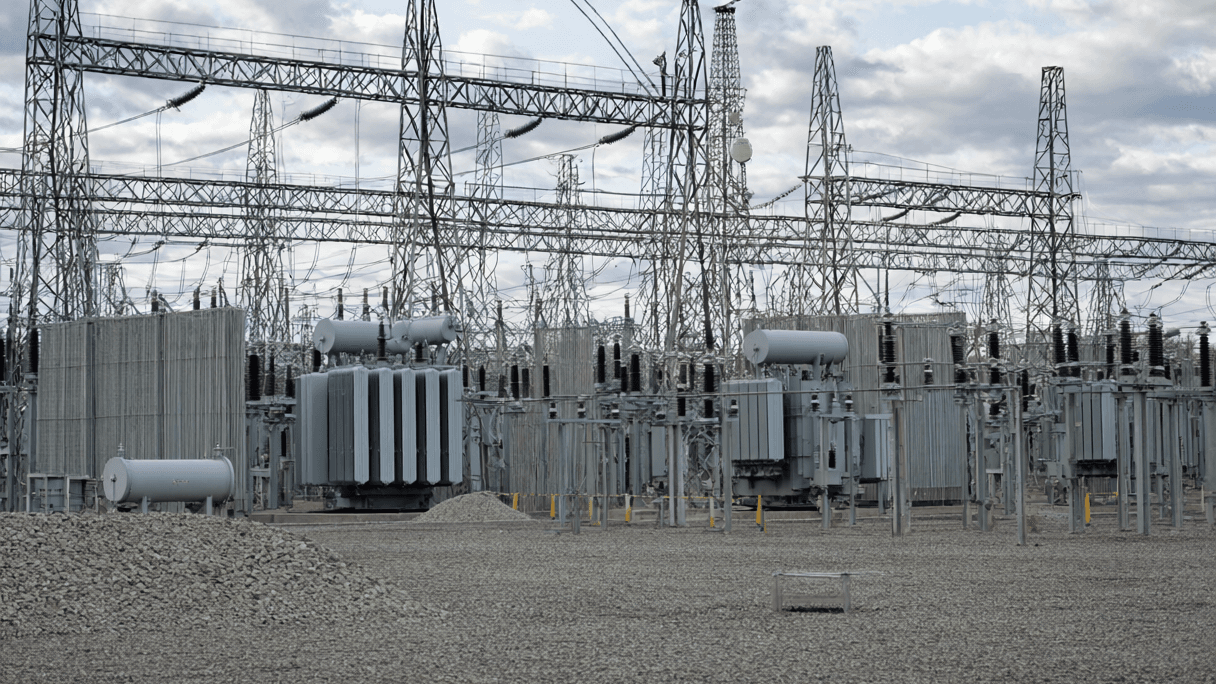
AI-generated image · US National Wire
Opinion: We must stop treating the resource drain of AI infrastructure as a local nuisance and recognize it as a systemic failure of our decarbonization timeline.
For too long, the conversation surrounding the explosion of data centers has been framed as a series of local skirmishes. In the current national discourse, the friction is primarily centered on zoning, noise pollution, and the immediate impact on utility bills. But as I see it, treating these facilities as mere neighborhood nuisances is a dangerous distraction. We need to stop viewing the data center surge through the lens of local grievances and start addressing it as a systemic failure in our grid's decarbonization timeline.
At a recent Climate Week panel, as reported by Wired, the tension was palpable. Protesters from Extinction Rebellion NYC disrupted the event, shouting that the reliance on fracked gas is a lie. The reaction from the industry was telling. Cully Cavness, the cofounder and president of data center infrastructure company Crusoe, suggested that many of these protesters likely do not live near data centers and fail to grasp the benefits these facilities bring to local tax bases. Meanwhile, Varun Sivaram of Emerald AI argued that data centers could be "good citizens" that help lower bills and accelerate the deployment of clean energy.
Sivaram’s premise—that massive electricity demand could actually catalyze a better electricity sector—is theoretically sound. However, reporting from Wired reveals that the reality on the ground is the exact opposite. Rather than transforming the grid for the better, data centers are currently facilitating a fossil fuel buildout that is moving faster than anticipated. Analysis from BloombergNEF supports this grim trajectory, projecting that data centers will likely account for more than 5 percent of global electricity demand by 2035, tripling their current requirements.
This disconnect is further exacerbated by the way the opposition is being organized. Take, for example, William Lawrence, a candidate for Michigan’s 7th congressional district and a founder of the Sunrise Movement. Lawrence has made opposition to AI and data centers a central part of his political platform, citing threats to air, water, and quality of life. Yet, as Wired reports, Lawrence’s platform makes no mention of climate change. When questioned, Lawrence noted that while some constituents have climate concerns, worries over water and energy bills typically rank higher.
This is the core of the problem: we are fighting a systemic climate battle with local tools. When voters and politicians focus exclusively on water drains and monthly bills, they are treating the symptoms rather than the disease. Even the investment community is fragmented; a cofounder and managing partner at VoLo Earth told the Wall Street Journal that climate investors are focused on the energy system, often treating the state of the atmosphere as a secondary issue.
If we continue to view data centers as isolated projects to be blocked by local moratoriums, we miss the larger point. The surge in AI infrastructure is exposing the fragility of our energy transition. We cannot afford to let the "good citizen" rhetoric of tech executives mask a reality where data centers drive a massive influx of fossil fuel power. The data center backlash should not just be about local quality of life; it must be a climate reckoning that forces a total acceleration of our grid's clean energy transition.