
UK Faces £4 Billion Smart Meter Crisis as 2G Networks Sunset

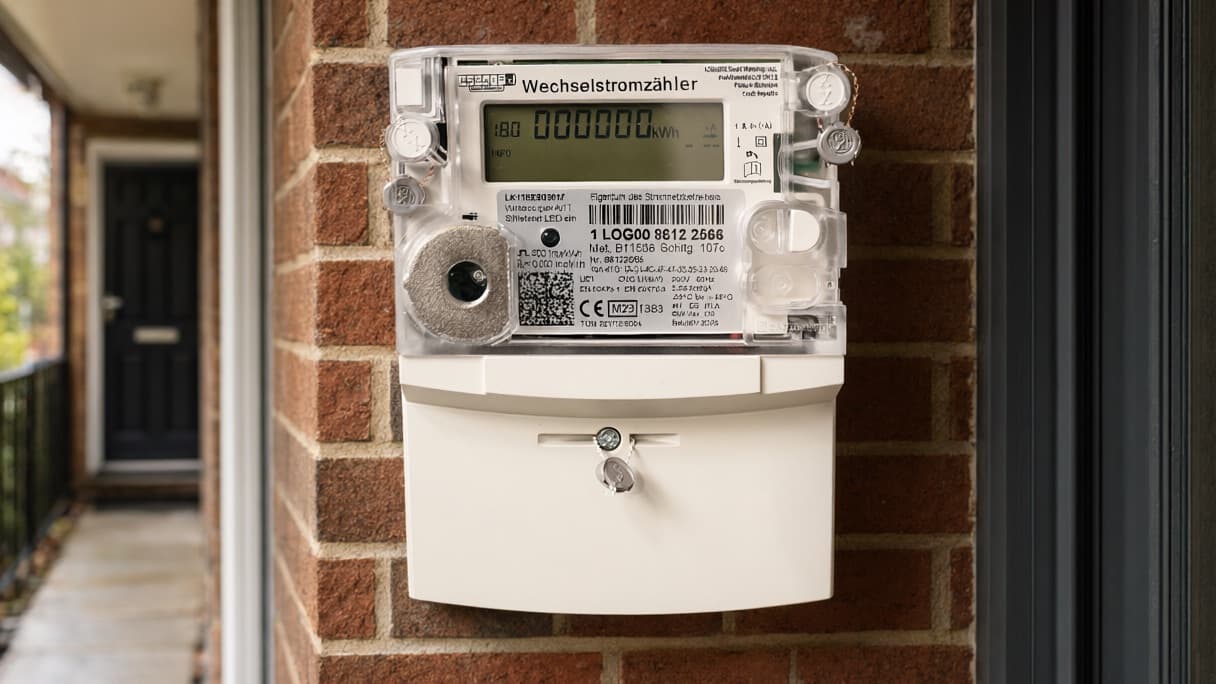
AI-generated image · US National Wire
The phase-out of legacy cellular technology threatens to disable millions of energy meters, forcing a costly hardware overhaul.
The UK's transition to a smart grid is facing a multi-billion pound hurdle as the sunset of legacy cellular networks threatens to brick millions of energy meters. According to reporting from The Register, between 12 million and 13 million smart meters could cease functioning properly by 2033 due to the shutdown of 2G and 3G networks.
A report from connectivity firm Wirepas, titled "The European Connectivity Trilemma," estimates the total replacement cost at approximately £4 billion ($5.3 billion). The financial burden is split across two hardware categories:
* **SMETS1 meters:** An estimated 7 million first-generation installations have hard-wired cellular communications, requiring full meter replacements. Wirepas estimates this will cost between £2.1 billion and £2.45 billion, with individual installations costing £300 to £350. * **SMETS2 meters:** Newer second-generation models may only require a communications module swap, though this is projected to cost £1.3 billion to £1.4 billion before hardware costs are included. The report notes this primarily affects central and southern Britain, as northern SMETS2 meters utilize a long-range radio network.
While 3G services have already been withdrawn, 2G phase-outs are imminent. BT/EE plans to begin closures in May 2029, VMO2 will start that same summer, and Vodafone targets a spring 2030 shutdown.
The Department for Energy Security and Net Zero (DESNZ) told The Register that the transition to 4G is a "planned upgrade" and that smart meters continue to help consumers save money. However, Wirepas warns that because 4G will eventually reach its end-of-life—likely in the 2040s—the UK will eventually face another replacement cycle.