
The All-in-One Gamble: Can the Surface Laptop Ultra Sustain High-End Gaming?

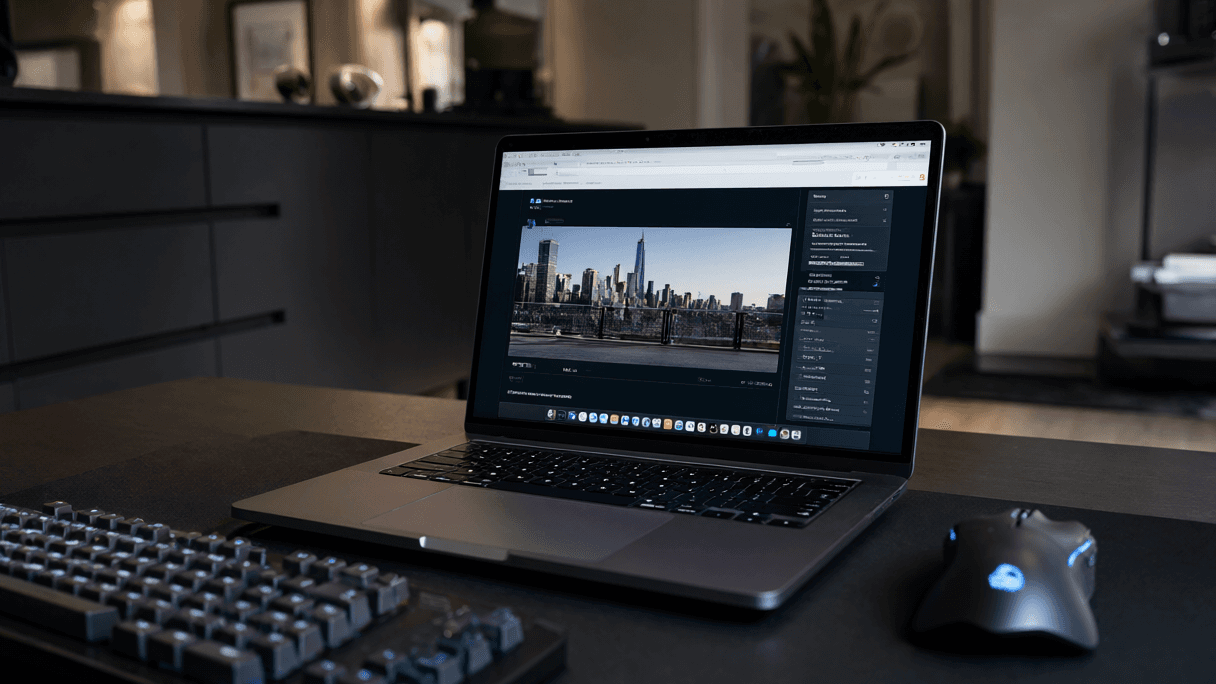
AI-generated image · US National Wire
Microsoft is betting that a single ARM-based machine can replace the gaming desktop and the work laptop, but hardware limits and software gaps loom large.
Microsoft is attempting to redefine the power-user workflow with the Surface Laptop Ultra, positioning it as a singular solution for development, AI, and gaming. By integrating the Nvidia RTX Spark N1X "superchip," Microsoft is targeting a "high performance audience"—specifically those who might otherwise purchase a MacBook Pro—with the bet that users will pay a premium for one machine that eliminates the need for a separate gaming desktop and professional laptop, according to reporting from Ars Technica.
On paper, the hardware is a leap forward. Ars Technica notes that the device can run 70-billion-parameter AI models and AAA games at speeds and fidelities previously thought impossible for ARM systems. The device is available in configurations ranging from a base model with 24GB of unified memory to high-end versions with 64GB, with MSRPs spanning from $2,599 to $5,899.
However, the "one-device" dream faces significant friction. A primary concern is whether the hardware can sustain this intensity without compromising the user experience. Wired reports that the Surface Laptop Ultra is the thickest of the new N1X laptops—surpassing HP's OmniBook Ultra—and utilizes discreetly hidden side vents and curved underside vents to manage heat. While these design choices keep the chassis polished, the thermal demands of high-end gaming and AI are evident in the battery life, which Wired notes cannot compete with the MacBook Pro.
There is also the question of memory overhead. Ars Technica highlights a potential bottleneck in the 24GB base model, questioning if performance suffers when a significant portion of that unified memory must be allocated as VRAM for gaming, especially since Windows 11 is already memory-intensive. During an information session, Microsoft representatives reportedly offered only a vague response to questions regarding the base model's utility, stating it was "useful for smaller models locally."
Beyond the thermals and memory, the gaming experience is currently hampered by a software gap. Wired points out that several popular games are not yet supported on the system. This suggests that while the RTX Spark N1X provides the raw power, the ecosystem is still catching up.
Ultimately, Microsoft is pushing a bleeding-edge vision of personal computing during a market downturn—with total PC shipments dropping 20 percent year-over-year in the third quarter of 2026, per Ars Technica. Whether the Surface Laptop Ultra succeeds depends on if the hardware can truly sustain its performance promises without becoming a thermal or software nightmare for the developers and gamers it seeks to attract.