
The AI Power Gap: Why Grid Stability Trumps Local Zoning in the Climate Fight

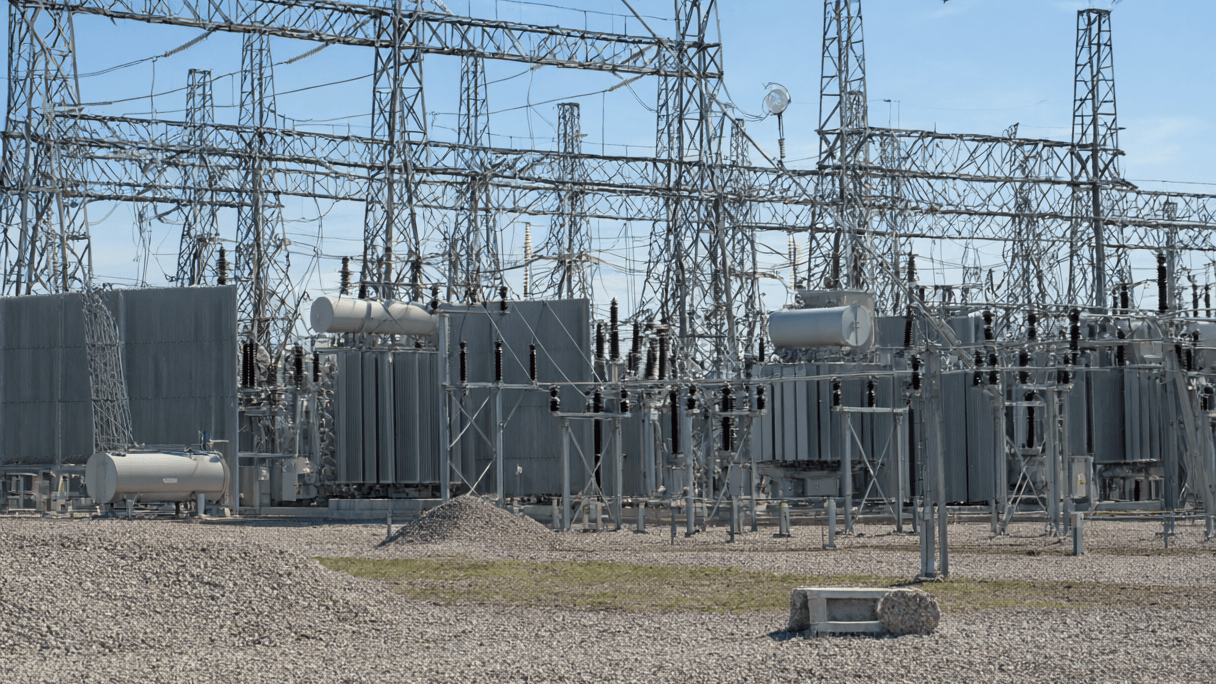
AI-generated image · US National Wire
While protesters and politicians focus on local quality of life, the systemic risk is a fossil fuel buildout driven by data center demand.
The current friction surrounding data center expansion is often framed as a battle over local zoning, noise, and tax bases. But as Wired first reported, for those tracking the actual deployment of clean tech, the real crisis isn't happening at the town hall level—it's happening at the grid level.
At a recent Climate Week panel, the tension was palpable. Protesters from Extinction Rebellion NYC interrupted a discussion featuring tech executives, shouting that the reliance on fracked gas is a lie. The reaction from the industry was telling. Cully Cavness, the cofounder and president of data center infrastructure company Crusoe, suggested that many critics may not understand the benefits these facilities bring to local tax bases. Meanwhile, Varun Sivaram of Emerald AI argued that data centers could act as "good citizens" by helping to bring more clean energy online and lowering bills.
However, there is a stark disconnect between the industry's promise of grid transformation and the reality of current energy procurement. While Sivaram suggests that data center demand could catalyze a better electricity sector, reporting from Wired indicates that the opposite is occurring: data centers are facilitating a fossil fuel buildout that is moving faster than anticipated.
This trend is backed by data from BloombergNEF (BNEF). According to BNEF's analysis, data centers are projected to comprise more than 5 percent of global electricity demand by 2035, which would triple their current energy needs. BNEF analysts anticipate that these facilities will be the primary driver behind a significant surge in fossil fuel power demand in the coming years.
Interestingly, the broader public hasn't yet aligned its concerns with the atmospheric risk. Wired reports that polls show climate change is often one of the last environmental concerns for voters, trailing behind issues like water usage, energy bills, and local noise and air pollution. This is evident in the political strategy of William Lawrence, a candidate for Michigan’s 7th congressional district and co-founder of the Sunrise Movement. While Lawrence has made opposing AI and data centers a pillar of his platform—citing threats to water and quality of life—his official platform makes no mention of climate change.
Even the financial sector is prioritizing the mechanics of energy over the state of the atmosphere. A cofounder and managing partner at VoLo Earth told the Wall Street Journal that for climate investors, the focus is primarily on the energy system itself.
**Opinion:** The danger here is that we are treating the data center surge as a series of isolated local disputes. If the industry continues to lean on fossil fuels to meet the tripling demand projected by BNEF, the "good citizen" narrative becomes a facade. The grid cannot handle AI's appetite through incremental local wins; it requires a fundamental shift in how power is generated, or we risk torching our carbon goals in the name of compute.