
The AI Engine is Thirsty: Why Nvidia's Hardware Needs a Cooling Reality Check

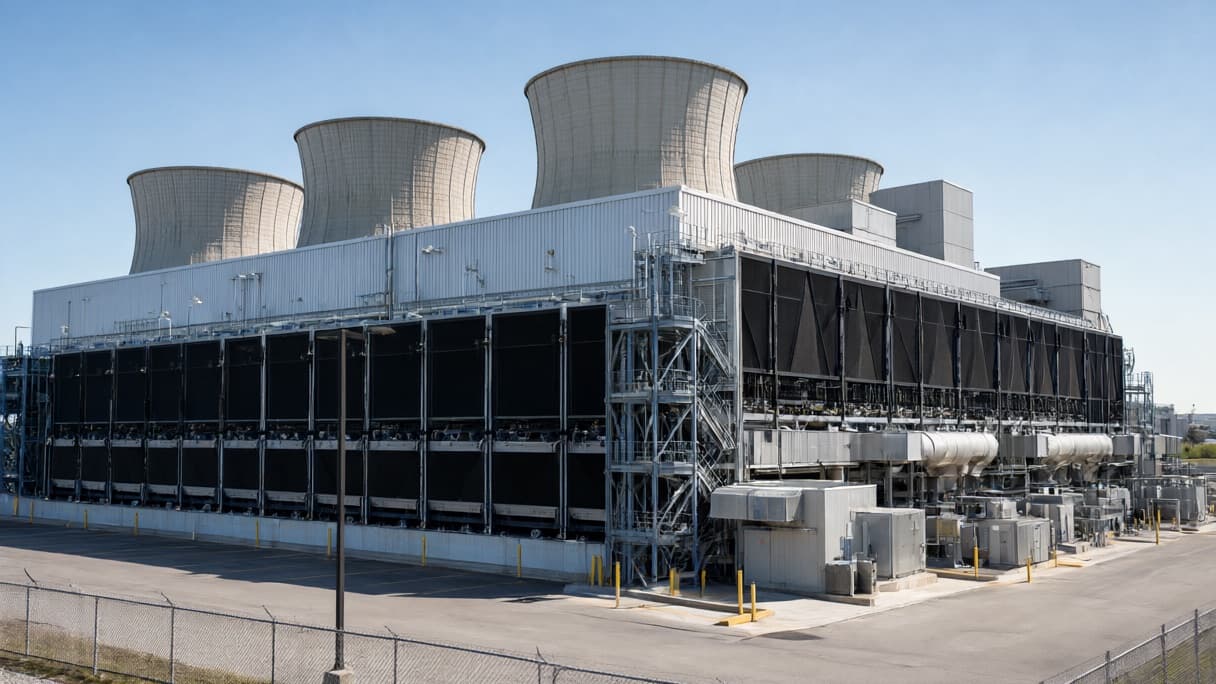
AI-generated image · US National Wire
Opinion: We cannot treat the water and chemical intensity of AI infrastructure as a side effect; we must demand deployment-ready sustainability.
As a tech columnist, I tend to follow the hardware. In the current era, Nvidia is the undisputed engine of the AI boom. But as we scale this engine, we are ignoring a critical mechanical failure: the environmental cost of deployment.
For too long, the industry has treated the resource intensity of AI as a manageable externality. As The Verge first reported, Nvidia's sought-after chips have triggered a surge in factories that are both chemical- and water-intensive. This isn't just a line item in a sustainability report; it is a physical reality of the infrastructure required to keep these GPUs running.
CEO Jensen Huang once compared AI to a surgeon who has to "cut you open to save you," suggesting that the "enormous amount of pain and suffering" caused by building AI infrastructure is a necessary precursor to a sustainable future. He argued on The Ezra Klein Show that AI is the best opportunity to combat climate change and that rising electricity demand is actually driving companies toward sustainable energy.
But the math doesn't support the optimism. Analysis by research analyst Ketan Joshi and organizations including Climate Action Against Disinformation and Greenpeace reveals that Nvidia's supply-chain emissions have ballooned by 725 percent since 2020. By fiscal year 2026, these emissions reached approximately 10.7 million metric tons of CO2, per Nvidia's own sustainability report. When you factor in the estimated emissions from the actual use of the chips—a category Nvidia excludes from its reports—Joshi estimates the pollution could have hit 21 million metric tons in 2025, a level comparable to Russia's state-owned coal company.
While Nvidia can point to the fact that it matched 100 percent of its own facilities' electricity use with clean energy in 2025, that is a narrow victory. The real impact happens in the supply chain and the massive data centers that drain power grids.
We are at a crossroads. With the resignation of Jensen Huang amid a sex-and-espionage scandal, Nvidia has an opportunity to pivot. Greenpeace East Asia's project lead for AI supply chain campaign, Avex Li, has rightly pointed out that Huang failed to integrate climate responsibility into the company's growth strategy. Now, interim CEO Colette Kress must decide if Nvidia will continue to treat environmental degradation as a secondary concern or if it will commit to decarbonizing its entire manufacturing supply chain.
If we want AI to be the tool that saves the planet, we cannot build it on a foundation of depleted water tables and skyrocketing emissions. It is time to stop praising the speed of the engine and start demanding that the cooling infrastructure is deployment-ready and sustainable.