
Nvidia's Infrastructure Legacy Leaves Deep Environmental Debt

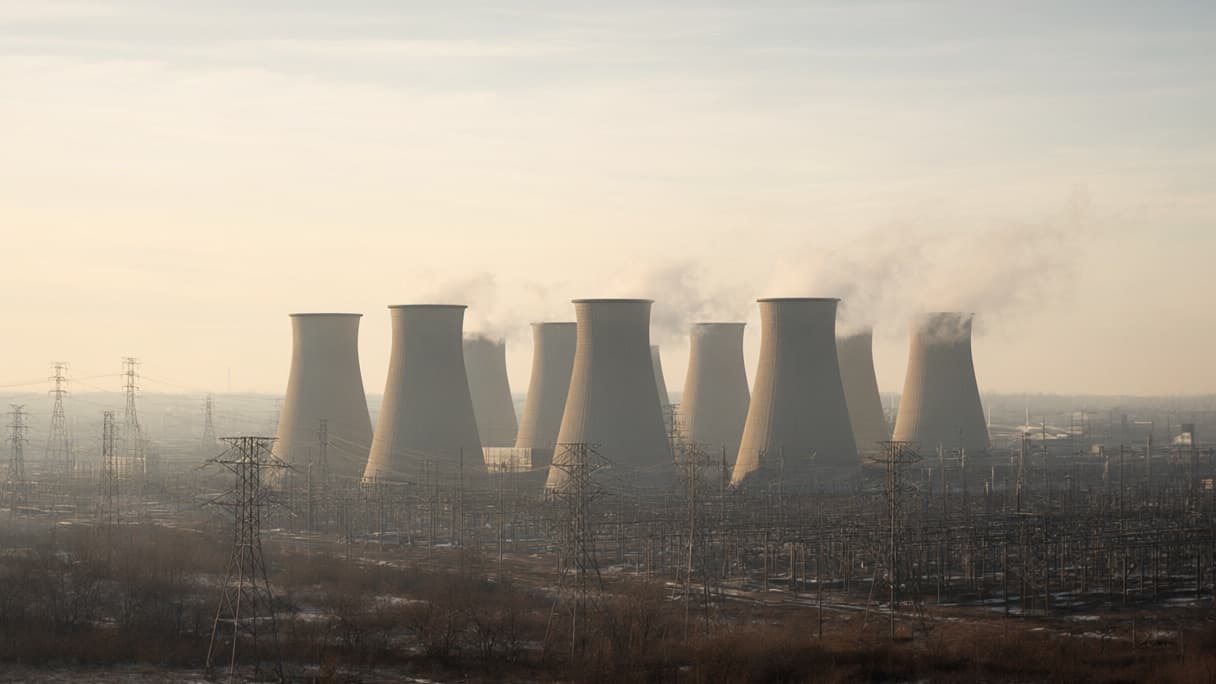
AI-generated image · US National Wire
As the company transitions leadership, analysts and advocates warn that AI-driven growth has created a massive carbon and resource footprint.
The rapid expansion of AI hardware has left Nvidia with a significant environmental liability that extends far beyond its own corporate offices. As The Verge first reported, the company's supply-chain emissions have surged 725 percent since 2020. An analysis by research analyst Ketan Joshi and groups including Greenpeace and Climate Action Against Disinformation found this increase totals approximately 9.4 million metric tons of pollution, a figure comparable to the annual emissions of nearly 25 gas plants.
While Nvidia's own sustainability report notes that emissions from its directly operated facilities and vehicles reached only 9,822 metric tons in fiscal year 2026, the bulk of its impact is indirect. The company designs chips manufactured by others, such as TSMC, leading to a massive resource debt. Joshi's analysis estimates that emissions from the use of Nvidia's chips—a category the company excludes from its sustainability reports—could have reached 21 million metric tons in 2025, putting the company's impact on par with Russia's state-owned coal company.
Former CEO Jensen Huang previously argued that AI is the best opportunity to achieve a sustainable future, though he admitted on The Ezra Klein Show that building AI infrastructure would likely cause "an enormous amount of pain and suffering" and rely on fossil fuels in the near term. Following Huang's resignation, Greenpeace East Asia project lead Avex Li stated that Huang failed to slow the "unchecked expansion of data centres." Greenpeace is now calling on interim CEO Colette Kress to commit to decarbonization through renewable energy investments across the entire manufacturing supply chain.