
Opinion: The Deployment Gap: How Exxon's Internal Science Clashed With Public Promises

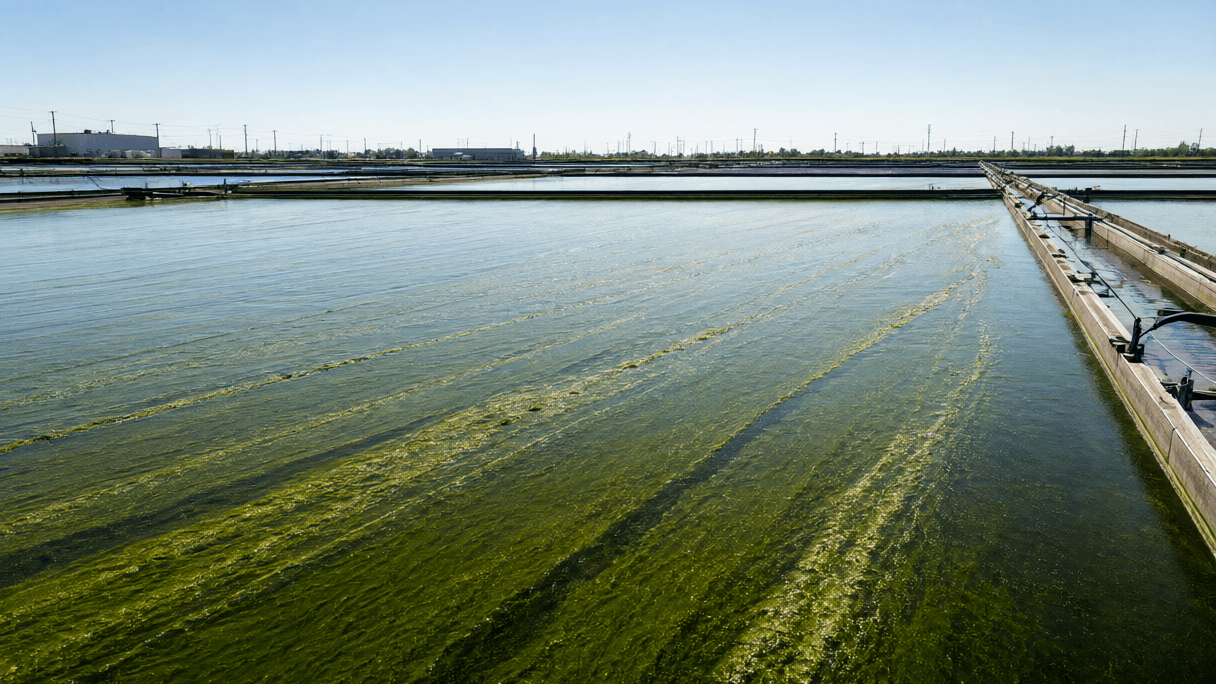
AI-generated image · US National Wire
Court documents reveal a pattern of internal warnings and scientific skepticism that contradicts decades of corporate messaging on climate solutions.
In the world of clean tech, the difference between a funding round and actual deployment is everything. For decades, ExxonMobil has positioned itself as a pioneer in the transition, but newly released internal files suggest the company's public-facing climate solutions were often viewed as impossible by its own experts.
According to reporting by Ars Technica, as the outlet first reported, documents released as part of a 2019 lawsuit filed by Massachusetts reveal a stark divide between the company's corporate research and its public relations. While the legal battle focuses on consumer deception, the technical reality is more concerning: the gap between private science and public lobbying likely delayed the actual deployment of viable climate alternatives.
One of the most glaring examples is the company's long-running campaign regarding algae biofuels. For years, Exxon promoted the idea that algae could serve as a sustainable alternative to petroleum. However, Ars Technica reports that a deposition from an Exxon scientist revealed a 2018 press release—which projected the production of 10,000 barrels of algae biofuel per day by 2025—was "patently false." The scientist testified that this target was "completely impossible to achieve" and noted that he had warned others within the company before the press release was ever issued. Furthermore, a development Exxon publicly labeled a "breakthrough" was described by the scientist in the deposition as a "dead end."
This pattern of internal skepticism dates back to the very beginning of the climate crisis. Ars Technica cites a memo from Frank Sprow of Exxon’s corporate research department written shortly before the establishment of the Intergovernmental Panel on Climate Change in 1988. Sprow warned colleagues that if a global consensus emerged regarding the need to mitigate greenhouse gas effects, Exxon could face "substantial negative impacts."
While Exxon has since pivoted its promotional focus toward carbon capture and storage, the Massachusetts attorney general’s office argues that internal documents show the company knew this technology was also unlikely to provide a scalable solution for cutting emissions.
From a deployment perspective, this is the real tragedy. While the public was led to believe that sustainable alternatives were just around the corner, the internal reality was one of feasibility doubts and dead ends. This disconnect didn't just mislead investors; it stymied the urgency required to move from theoretical research to industrial-scale deployment.
Exxon has denied misleading the public and maintains in its annual securities filing that the legal theories in these cases are "meritless," arguing that policymakers, not courts, should address climate challenges. However, as Aaron Regunberg of Public Citizen told Ars Technica, these documents suggest the public has seen only a "sliver of the evidence" regarding how the company handled the climate crisis.