
Apple's HomeView: Stripping Value from the Open Web

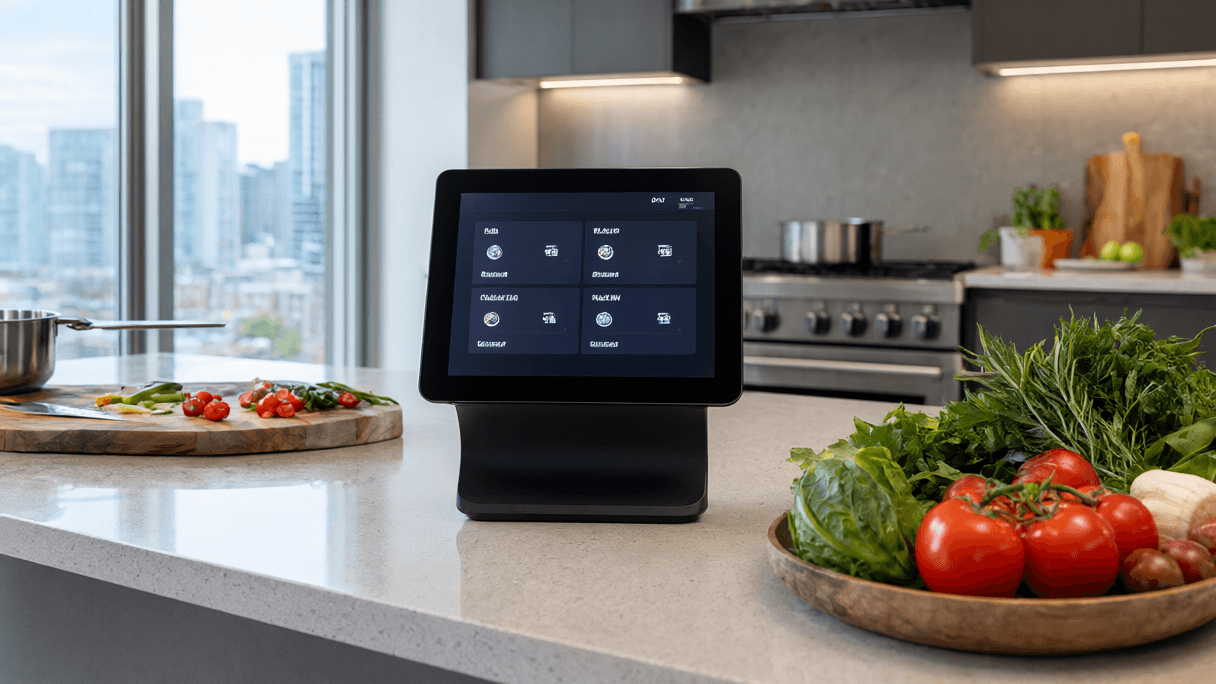
AI-generated image · US National Wire
By automating the 'essentials' of online recipes, Apple is dismantling the economic engine that sustains independent food creators.
Apple's latest hardware play, the HomeView smart display, is being marketed as a solution to kitchen chaos. In a three-minute advertisement, the company depicts a frantic family of five using the device to manage calendars and pull up recipes via Siri AI and voice controls. But beneath the veneer of convenience lies a predatory mechanism that targets the livelihoods of independent creators.
As The Verge first reported, the HomeView functions by stripping online recipes down to their barest components: ingredient lists, timers, and cooking instructions. While Apple pitches this as a way to avoid "unnecessary text" and the hassle of touchscreens during meal prep, the reality is that it removes the essential context and monetization tools that recipe writers depend on.
According to The Verge, the simplified formatting removes the ads and affiliate links that allow writers to recoup the costs of creating their content. While Apple ensures a single visit to the original webpage via Safari or an iPhone to load the recipe, this is a poor substitute for the repeated ad impressions generated when a user remains on a page throughout the cooking process.
This isn't just a matter of convenience; it is a breach of the creator-audience relationship. Bettina Makalintal, a senior reporter at Eater, told The Verge that tools designed solely to extract recipes "break apart that unspoken social contract with recipe developers and audiences."
Furthermore, the "essays" that Apple is effectively erasing were often a necessity imposed by other tech giants. Makalintal explained to The Verge that writers were forced to pad their text to ensure their recipes would appear in Google searches. Ironically, this descriptive text is often the only portion of a recipe that is copyrightable.
Beyond the financial toll, there is a functional cost to the consumer. Makalintal noted to The Verge that removing the surrounding text can strip away helpful troubleshooting tips and ingredient swap suggestions, potentially making some recipes harder to execute.
For those who find the narrative portions of food blogs tedious, the solution already exists without destroying the creator's income. Jaya Saxena, a founder-owner of the website Ravenous, told The Verge that most food blogs provide a "jump to recipe" button at the top of the page, allowing users to skip the prose without relying on a Big Tech intermediary to strip the value from the page.