
The Battery Barrier: Apple's Calculated War on Device Longevity

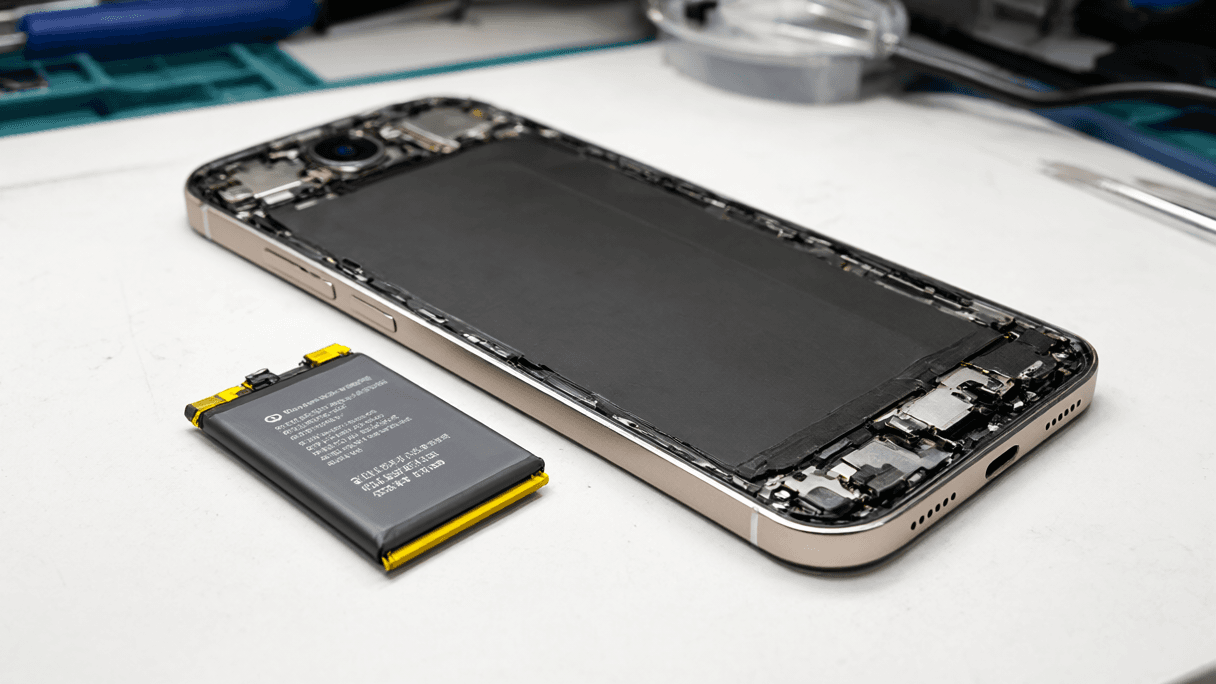
AI-generated image · US National Wire
By pricing out the simple fix, Apple ensures that hardware churn remains the only viable path for consumers facing skyrocketing device costs.
OPINION: In the current landscape of Big Tech, the most effective way to force a consumer into a new purchase isn't necessarily to build a better product, but to make the maintenance of the old one prohibitively expensive. Apple is currently mastering this art of planned obsolescence through its pricing of out-of-warranty battery replacements.
As Engadget first reported, the tech industry is currently grappling with a "memory crunch"—sharply inflated memory costs that have pushed global smartphone prices up by an estimated 20 percent since the start of the year. In response, consumers are attempting to exercise thriftiness by holding onto their devices longer or opting for refurbished hardware. However, Apple has positioned a significant financial barrier in the way of this sustainability: the cost of a fresh battery.
According to Engadget, Apple currently charges $129 for an out-of-warranty battery service for its newest Pro model, a price point $10 higher than that of older Pro models. A battery replacement for an older base model, like the 2020 iPhone 12, costs $89. The most egregious example of this pricing strategy is the iPhone Duo, where Apple has set the battery replacement cost at $229.
While Apple may point to competitors to justify these figures—Engadget notes that Samsung's out-of-warranty replacements are estimated by online reports to cost between $99 and $129—the real story is not about industry standards, but about Apple's own history. The company has proven that it is entirely capable of making battery replacements affordable when it chooses to do so.
In 2018, following the fallout from its iPhone throttling debacle, Apple dramatically slashed the price of out-of-warranty battery swaps to just $29 in the U.S. for a full year. Engadget reports that this was a $50 reduction from the regular price at the time. The impact was immediate and massive: while Apple previously averaged between 1 and 2 million battery swaps per year, that number reportedly surged to 11 million in 2018.
Crucially, the company viewed this consumer victory as a corporate liability. In January 2019, then-CEO Tim Cook lowered the company's revenue forecast, noting that some users were opting for the significantly cheaper iPhone battery replacements rather than upgrading their hardware. This admission reveals the corporate logic at play: affordable maintenance is a direct threat to the upgrade cycle. While Cook later attributed a 5 percent year-over-year revenue drop (and a 15 percent drop in iPhone revenue) primarily to a trade war and economic slowdown in China, the sentiment remained clear. When people can easily fix their phones, they stop buying new ones.
This push toward hardware churn is happening even as the cost of the underlying technology shifts. Engadget points out that while memory costs have spiked, the cost of the lithium-ion cells that power these devices has "truly cratered." Despite this, Apple continues to raise prices. On the same day the company announced the iPhone 18 Pro and iPhone Duo, it increased the price of older models, including the iPhone 17, by $100. This represents a 12.5 percent jump from the iPhone 17's previous $799 price, far outpacing the 3.4 percent rise in other consumer goods.
This pricing strategy is particularly predatory given the current economic climate. Engadget cites a Pew Research Center analysis showing that between December 2020 and December 2025, median weekly wages actually fell by about 3.2 percent when adjusted for inflation. While average hourly earnings for private-sector employees rose from $26.72 in December 2020 to $29.91 by December 2020, real hourly earnings are currently about 1 percent below those December 2020 levels. In August, these earnings dipped 0.3 percent compared to the previous year.
Apple and Samsung both attempt to steer consumers toward extended warranty plans—AppleCare and Samsung Care+, respectively—which include battery replacements. However, these are packages that must be purchased shortly after the initial device sale, effectively locking consumers into a proprietary ecosystem of protection rather than offering a transparent, affordable repair option for the life of the product.
Even DIY alternatives like iFixit are hampered by the fact that modern phones are not designed for user-repairability. This creates a closed loop where the consumer is forced to choose between a costly official repair or an expensive new device.
If predictions from memory manufacturers like SK Hynix prove true, memory shortages may persist until 2030. In such a world, the ethical move for Apple would be to return to the $29 battery replacement model, allowing consumers to maintain their hardware during a period of extreme price inflation. Instead, Apple has chosen to protect its profitability by ensuring that the path of least resistance leads directly to the checkout counter for a new iPhone.