
Whitehall's Digital Black Hole: Spending Billions Without a Receipt

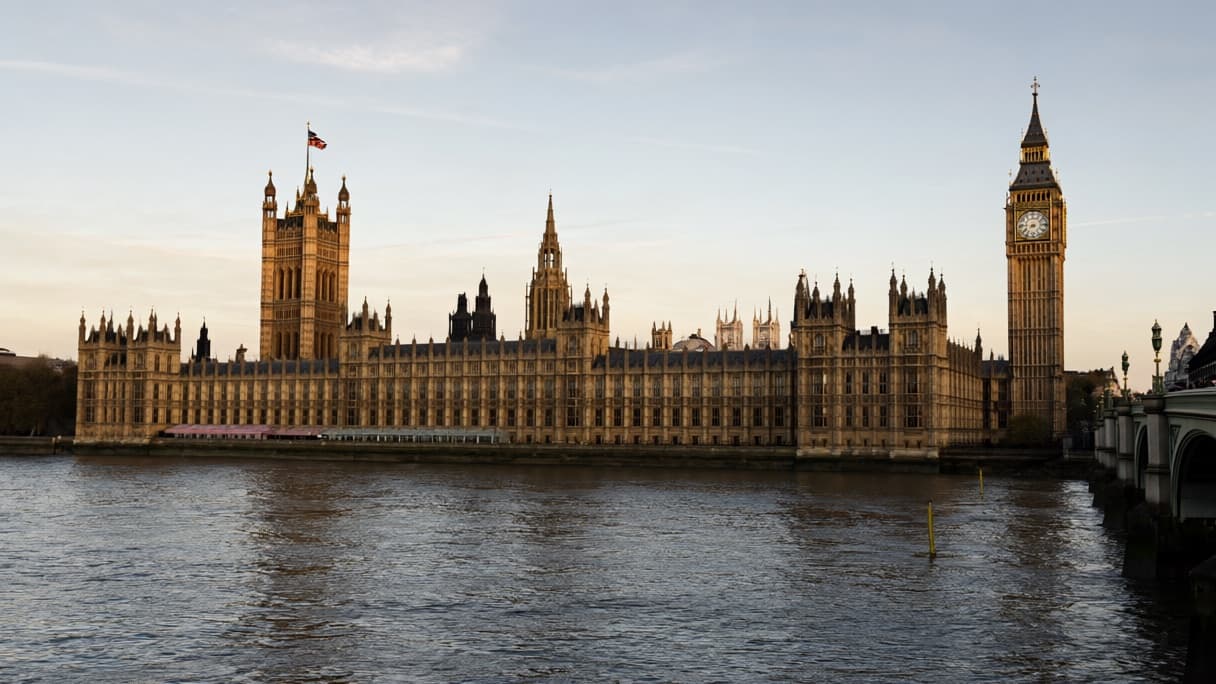
AI-generated image · US National Wire
The UK government admits it cannot track digital transformation costs, proving that for bureaucrats, the 'innovation' is in the spending, not the results.
OPINION: In the world of connectivity and tech, there is a fundamental rule: if you can't measure it, you can't manage it. For the UK government, this isn't just a management failure; it is a fiscal fantasy.
As first reported by The Register, the UK government has admitted that its own finance systems are incapable of producing consistent annual figures to show how much public bodies and departments are spending on digital transformation. While the public sector is estimated to spend over £26 billion annually on digital technology, that figure is a broad brushstroke. The government cannot provide a comparable departmental breakdown, effectively treating the taxpayer's wallet as a blank check.
When the Science and Technology Committee issued a report in June warning that spending was fragmented and lacking a clear plan, the government's response was a masterclass in bureaucratic evasion. While officials agreed with the "intent" to publish annual data on data-driven and digital spending, they claimed doing so is not "currently practicable." They essentially admitted that their systems cannot provide reliable or comparable data across different departments. Instead of a solution, they offered a "direction of travel," promising to work with HM Treasury to figure out how to track the money "over time."
Committee chair Dame Chi Onwurah hit the nail on the head, noting the jarring disconnect between the "hype" of technology reducing costs and the government's inability to show where the money is actually going. As Onwurah pointed out, it is deeply concerning that ministers are asking for significant tech investments while failing to demonstrate how value for money is being measured.
This lack of accountability is compounded by a chaotic leadership structure. According to The Register, the government dissolved the Department for Science, Innovation and Technology (DSIT) during the summer months. Its duties were split between the Cabinet Office, the Department for Digital, Culture, Media and Sport, and the newly formed Department for Business, Innovation, Science and Trade. In Onwurah's view, this abolition has only clouded the question of who is actually responsible for driving digital transformation.
Nowhere is this lack of oversight more glaring than in the government's relationship with US tech giants. The Science and Technology Committee has called for an end to Palantir's role in the NHS Federated Data Platform (FDP), citing vendor lock-in and sovereignty concerns. This follows criticism over £60 million in previous contracts awarded without competition. While Palantir claims its tech provides value and efficiency, the government is dragging its feet on an exit. In its response, the government stated it would review the FDP contract via standard management processes to decide on a two-year extension, but it refused to commit to an early exit.
Dame Chi Onwurah has urged ministers to exercise the break clause in the FDP contract to reduce dependence on a few large US firms. But as long as Whitehall is happy to operate without a ledger, the taxpayer is the only one paying the price for this "transformation."