
The Wearable Panopticon: Meta's Smart Glasses as Tools of Systemic Harassment

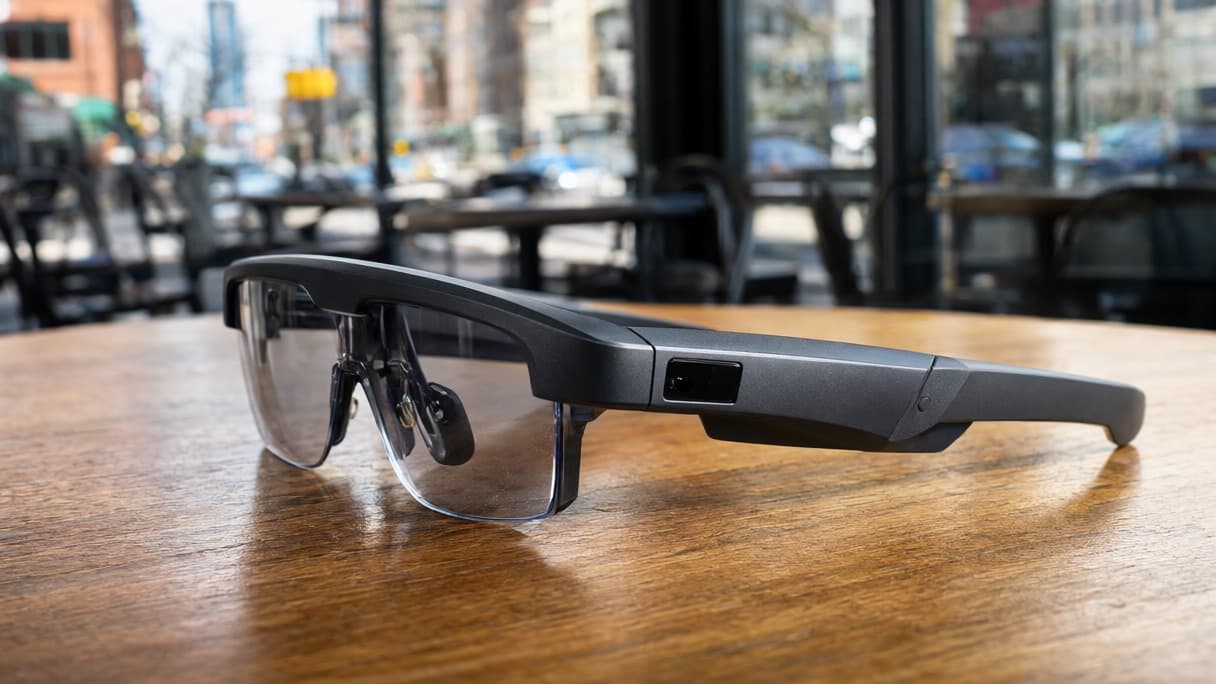
AI-generated image · US National Wire
While Meta markets its smart glasses with A-list celebrities, reports reveal a darker reality of nonconsensual recording, AI training on intimate imagery, and the targeted harassment of women.
Meta is positioning its smart glasses as the next frontier of consumer tech, utilizing high-profile endorsements from celebrities like Chris Pratt, Kris Jenner, Chris Hemsworth, Doja Cat, Jennie Kim, and Kylie Jenner to normalize the hardware, as 404 Media first reported. But from a defender's perspective, these aren't just gadgets; they are wearable surveillance tools being deployed into the public square with almost no accountability for the humans caught in their lens.
As 404 Media reports, the real-world application of this tech has already devolved into a tool for predation. An October 2025 investigation by 404 Media found that Instagram accounts—some with millions of views and hundreds of thousands of followers—were uploading videos filmed with Meta's Ray-Ban glasses. These videos depicted men entering massage parlors across the United States to solicit sex work from employees. This is not an isolated glitch in user behavior; research published in August indicates that pickup artist influencers are leveraging these glasses to capture interactions with unsuspecting people in public or at their workplaces.
***Opinion:*** *Meta is effectively deploying a fleet of wearable surveillance drones into the public square. We are treating the resulting privacy collapse as a policy debate—a series of letters and inquiries—rather than the systemic failure it is. When a device is designed to be discreet, the 'privacy' safeguard is a suggestion, not a barrier.*
The human cost of this surveillance is already documented. The BBC reported in January on a woman recorded by the glasses who was subsequently stalked at her workplace and "bombarded" with phone calls after her phone number was posted alongside the video. Furthermore, 404 Media notes that users have been modifying the glasses for years to disable the recording indicator light, rendering the device's primary privacy signal useless.
Beyond the immediate harassment, Meta is using the public as an unpaid, nonconsensual dataset. According to a letter sent by Oregon Senator Ron Wyden and Massachusetts Senator Edward Markey, Meta's own disclosures admit that imagery processed via visual AI features may be retained to train AI systems, often with the help of human reviewers. This means the intimate moments of bystanders are being exploited for commercial benefit. This systemic leak is evidenced by two disturbing reports: more than 70 people have sued Meta, alleging their intimate images and videos were exposed to data labelers, and Swedish journalists reported in March that Kenyan data labelers were annotating uncensored sexual and violent footage from the glasses. While Meta ended its contract with those Kenyan workers shortly after, the Data Labelers Association in Kenya continues to fight against these labor conditions.
In response to these failures, Senators Wyden and Markey have demanded Meta explain what safeguards exist to prevent the nonconsensual capture and processing of sensitive imagery and whether the company ever evaluated the potential for the glasses to facilitate voyeurism. They specifically questioned whether users can request the deletion of biometric data captured by the hardware.
Despite these alarms, Meta continues to push the boundaries of surveillance. 404 Media reports that in August, Meta filed a patent to integrate facial recognition and highlight reel features into the glasses. While the company attempts to frame these as features, the public is already rebranding the hardware as "pervert glasses."