
Local Governments Retreat from Flock Surveillance

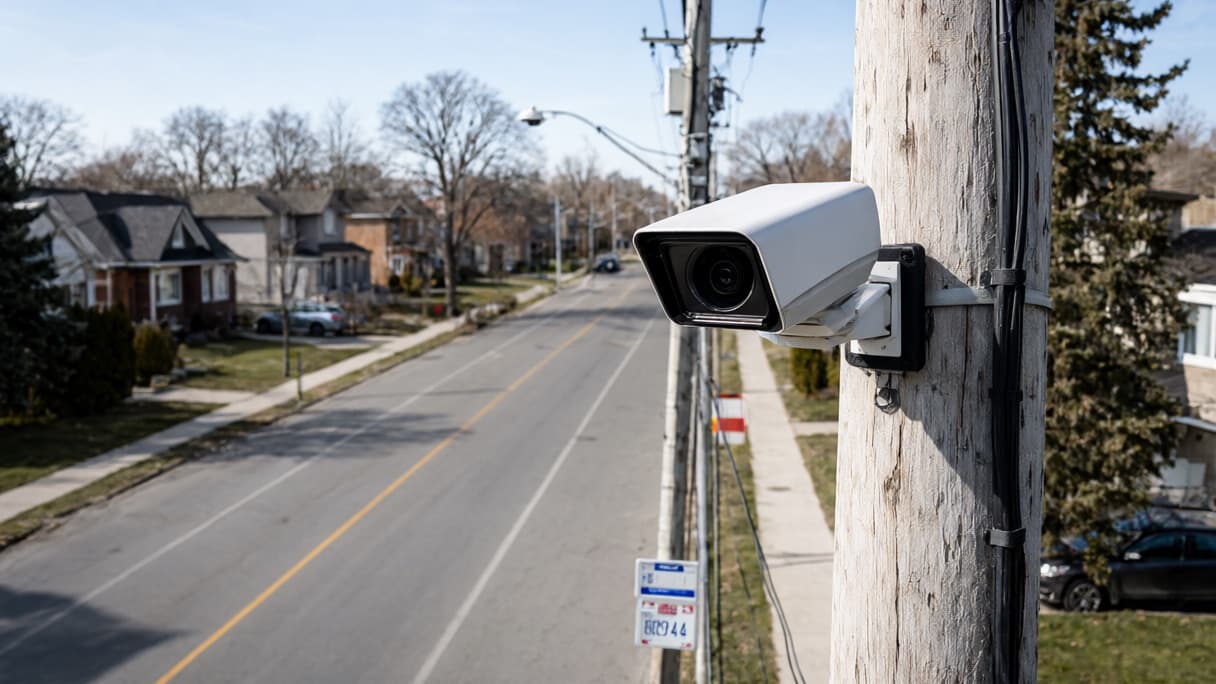
AI-generated image · US National Wire
A growing number of U.S. cities are terminating contracts with Flock Safety over privacy fears and reports of unauthorized federal data access.
As TechCrunch first reported, at least 10 police departments and local governments have taken steps since this summer to limit or terminate their use of Flock Safety technology. The company, founded in 2017, deploys over 100,000 cameras nationwide, including license plate readers and sound-detection devices.
Cities moving to end their contracts include Lansing, Michigan; Richmond, Virginia; Newburgh, New York; Monroe, Ohio; and New Bedford and Hopkinton, Massachusetts. Police in Grafton and East Bridgewater, Massachusetts, also plan to stop using the cameras. In League City, Texas, residents voted against continued use, and in Asheville, North Carolina, the city voted to terminate its contract in August. Additionally, the El Paso County Sheriff’s Office in Colorado announced in September it would stop using the tech, with Sheriff Joseph Roybal stating the county has the tools to apprehend criminals without relying on Flock.
Privacy concerns and reports of misuse have driven the backlash. TechCrunch reports that an officer in Brentwood, Missouri, was accused of using the cameras to stalk his ex-wife in August, and an officer from East Texas was sentenced to prison in September for stalking his ex-girlfriend and her family.
Further scrutiny involves federal access. In a March resolution to terminate its contract, Ithaca, New York, alleged that Flock allowed the Bureau of Alcohol, Tobacco, Firearms and Explosives (ATF) and U.S. Immigration and Customs Enforcement (ICE) to use database query results to investigate immigrants without local authorization.
Flock told TechCrunch that it does not sell data or have a contract with ICE, asserting that customers own and control their data. To address concerns, Flock announced in August it would reduce the default data storage period for new customers from 30 days to seven and now requires a case code for database searches.