
The Supersonic Pivot: Boom's Descent into the AI Power Grid

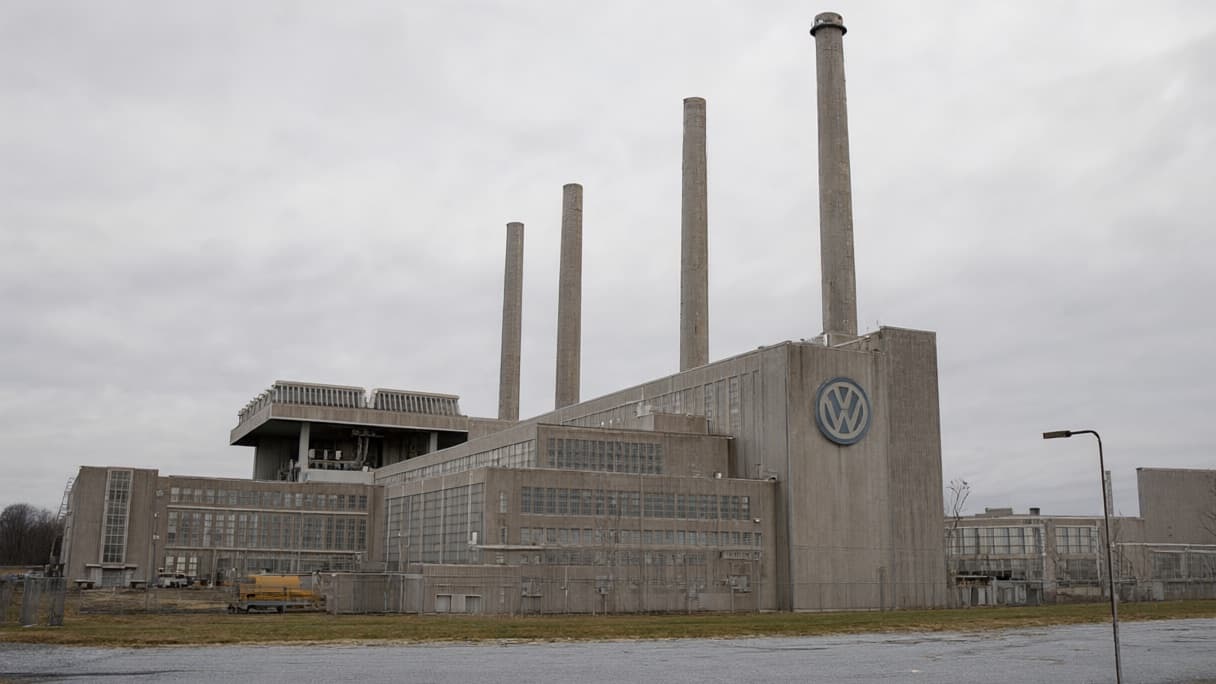
AI-generated image · US National Wire · Based on a photo by AndreasPraefcke (CC BY 3.0, Wikimedia Commons)
As the Overture airliner faces skepticism from its own customers and a dormant factory, Boom Supersonic is betting on natural gas turbines to ride the AI wave.
OPINION: There is a particular kind of desperation that manifests when a company realizes its moonshot is drifting off course. For Boom Supersonic, that desperation looks like a sudden, aggressive pivot toward the most crowded trade in venture capital: AI data center power.
On the surface, CEO Blake Scholl is framing this as a "renaissance" in both energy and flight. In reality, as Ars Technica first reported, it looks like a hedge. While Boom continues to chase the dream of the Overture supersonic airliner, the company is increasingly focusing on the mundane reality of natural gas turbines. On October 22, Boom unveiled a factory in Centennial, Colorado, dedicated to producing the "Superpower," a 42-megawatt natural gas turbine designed specifically for AI data centers.
This shift isn't happening in a vacuum. The company's original vision for supersonic travel is hitting significant turbulence. Scott Kirby, CEO of United Airlines—one of Boom's first customers—has explicitly cast doubt on the company's official timeline to deliver the Overture by 2029. Speaking on the *Office Hours: Business Edition* podcast on October 28, 2026, Kirby told host Monica Langley that the 2029 goal is "not going to happen" and that the process will take longer. Kirby previously suggested in March that the chances of the aircraft entering commercial service were "50-50," noting that Boom still faces numerous hurdles to achieve FAA certification.
Perhaps most telling is the state of Boom's physical infrastructure. Ars Technica reports that the Overture factory in Greensboro, North Carolina—completed in 2024 with more than $50 million in taxpayer funding—has remained mostly dormant. It is a stark contrast to the company's new energy ambitions.
Boom is attempting to leverage its "Sprint Core" prototype turbine core to power both its aircraft and these new data center turbines. The goal is to deliver the first gas turbines by mid-2027, scaling to 50 turbines per year by 2029. This strategy aligns with a broader trend identified by the market intelligence platform Cleanview, which notes that data center developers are increasingly relying on natural gas, sometimes using aeroderivative turbines or mobile generators to keep projects online.
However, the AI power play is already showing cracks. In a September 25 post on X, Scholl acknowledged the loss of a $1.25 billion deal with data center developer Crusoe, which would have seen the purchase of 29 turbines. Crusoe has been linked to the construction of Texas data centers for tech giants including Microsoft, Google, and Oracle. While Scholl claims Boom will deliver approximately 250MW of Superpowers to other unspecified sites next year, the loss of a billion-dollar contract suggests that even the AI bubble isn't a guaranteed safety net.
Boom currently enjoys significant political tailwinds. The Trump administration has supported the company, and in June 2026, the FAA proposed a rule to overturn the ban on commercial supersonic flights over the U.S. after an executive order was issued by President Donald Trump. U.S. Secretary of Energy Chris Wright and Colorado Governor Jared Polis were also present at the unveiling of the Colorado factory.
But political support and conditional agreements with American Airlines, Japan Airlines, and United Airlines do not equal a certified aircraft. When the flagship product is stalled and the factory is empty, pivoting to the hottest trend in tech isn't a strategy—it's a survival mechanism.