
The Single Point of Failure: Decoding the Congressional Summons of Jensen Huang

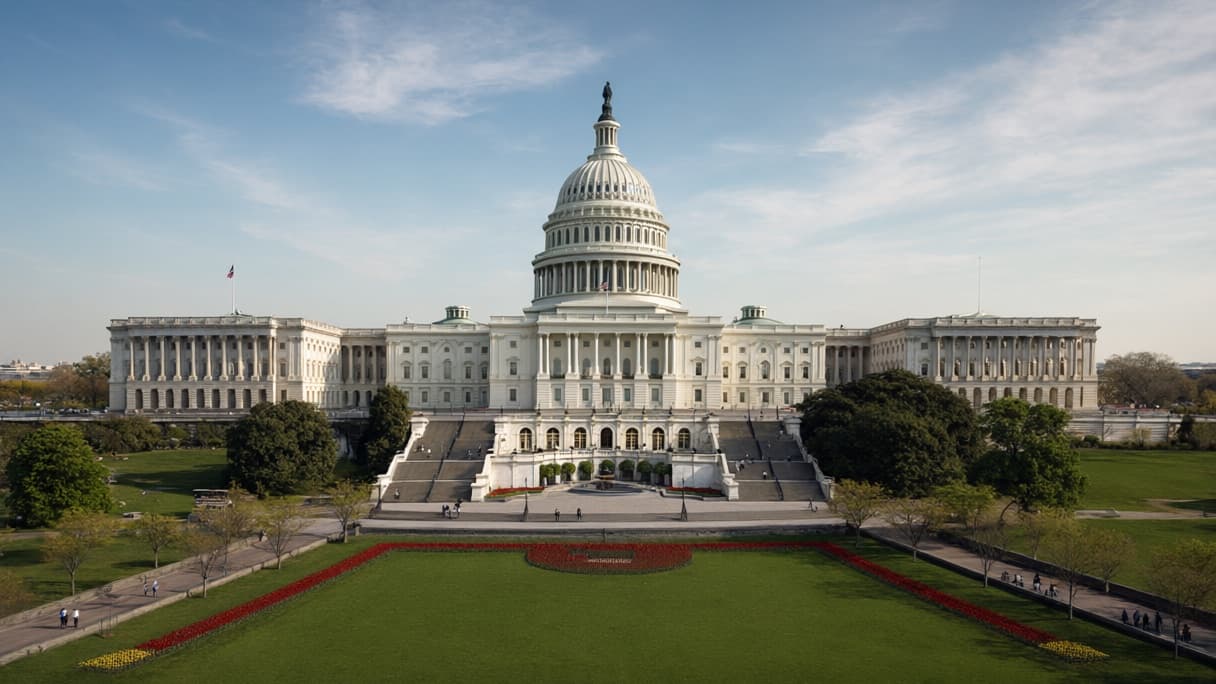
AI-generated image · US National Wire
While the public focus remains on personal scandals and espionage, the closed-door hearing suggests a deeper federal effort to map the vulnerabilities of the AI supply chain.
The upcoming congressional testimony of former NVIDIA CEO Jensen Huang is being framed by the public as a reckoning for personal misconduct and alleged espionage. However, through a deals and infrastructure lens, the proceedings appear less about policy disputes and more about the federal government attempting to map the AI supply chain's single point of failure.
According to reporting from Engadget and TechCrunch, Huang agreed to testify before Congress by Thanksgiving after being threatened with a subpoena. The hearing will involve a coalition of the House Foreign Affairs Committee, the House Intelligence Committee, and the House Select Committee on the Chinese Communist Party. The principals leading this effort include Chairman Brian Mast, Chairman John Moolenaar, and Chairman Rick Crawford.
While the catalyst for Huang's immediate resignation was an internal investigation into an affair with Alice Huang—alleged by the New York Times and Financial Times to be a spy for China's Ministry of State Security—the strategic concern for Washington is the integrity of the hardware pipeline. NVIDIA's dominance is absolute; Wired reports the company controlled approximately 90 percent of the GPU market as of September 2026, having reached a $4 trillion valuation in the summer of 2025.
***Opinion:*** *The involvement of three distinct committees suggests that the government is not merely investigating a personnel scandal, but is conducting a stress test of the U.S. AI ecosystem. By summoning the man who steered NVIDIA's pivot to AI following the 'Big Bang' event of AlexNet, lawmakers are likely probing how much of the global AI infrastructure relies on a single company's internal stability and the personal judgment of its founder.*
This concern is underscored by the Department of Justice's reported investigation into Alice Huang and her former company, Megaspeed International. Engadget reports the DOJ is investigating whether entities linked to Alice Huang were involved in smuggling Super Micro Computer products to China and whether Megaspeed smuggled U.S.-made chips into China in violation of export restrictions. Wired further reports that the U.S. Commerce Department previously investigated whether Megaspeed used a web of subsidiaries to bypass American export controls, an inquiry that was reportedly halted after NVIDIA general counsel Tim Teter questioned it.
Huang has been a vocal opponent of these export controls, arguing they constrain markets and incentivize China to develop its own competitive chips. The fact that the hearing will take place behind closed doors—though Brian Mast expects it to be filmed and transcribed—indicates that the discussion will likely move beyond public scandals into the granular mechanics of chip distribution and national security vulnerabilities.
With Colette Kress serving as interim CEO, the company is in a state of transition. However, the federal government's focus remains on the legacy of Huang's leadership and the potential for the AI supply chain to be compromised through the very channels Huang sought to keep open. The hearing is not just a post-mortem of a CEO's tenure; it is a mapping exercise of the risks inherent in a market where one company holds nearly all the cards.