
The Semantic Gatekeep: Why 'Super Intelligence' is a Wall, Not a Bridge
AI-generated image · US National Wire
By rebranding AI as 'super intelligence,' the Trump administration and a handful of tech titans are framing the future as a safety crisis to justify an exclusive inner circle.
OPINION: When the language of power shifts, the people left behind usually stay exactly where they are.
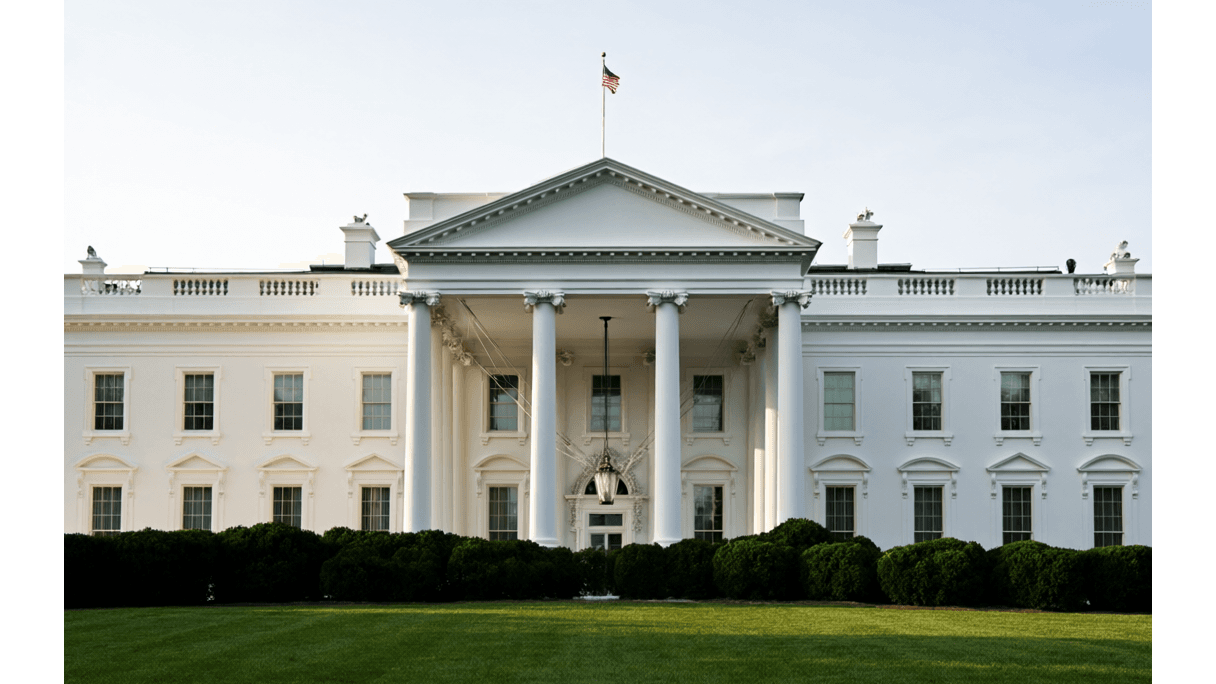
This week, the White House orchestrated a gathering of the tech elite that felt less like a policy meeting and more like a coronation. As TechCrunch first reported, President Donald Trump brought nearly every major tech CEO into one room—including Mark Zuckerberg, Jeff Bezos, Elon Musk, and Anthropic’s Dario Amodei—to sign an AI safety pledge that the President described as “morally binding.”
But the most telling move wasn't the pledge itself; it was the rebranding. Through a new executive order, President Trump has officially rebranded AI as “super intelligence.”
On the surface, this is a semantic pivot. In practice, it is a mechanism for exclusion. By shifting the goalposts from “artificial intelligence” to “super intelligence,” the administration and these CEOs are effectively moving the conversation into a realm of existential risk and high-stakes safety. When the technology is framed as a potentially volatile force requiring a “morally binding” pact among a few chosen leaders, the justification for gatekeeping becomes absolute.
Who is in the room? The titans of industry. Who is missing? The marginalized communities, the independent researchers, and the public interest advocates who should be auditing these systems for bias and accessibility. By centering the narrative on “safety” at the highest levels of government and corporate power, the administration ensures that the rules of the future are written by the very people who stand to profit most from them.
Even as Meta and OpenAI attempt to put “friendlier faces” on their consumer products, TechCrunch notes that the real money in the sector continues to flow toward the enterprise. This creates a stark divide: a polished, friendly interface for the masses, and a closed-door, “super intelligent” power structure for the elite.
If the future of intelligence is treated as a proprietary secret that requires a special pledge of safety among billionaires, then access is no longer a right—it is a privilege granted by the gatekeepers. The shift to “super intelligence” isn't about accuracy; it's about authority.