
The Promo Trap: DoorDash’s Discount Frenzy is a Mask for Eroding Margins

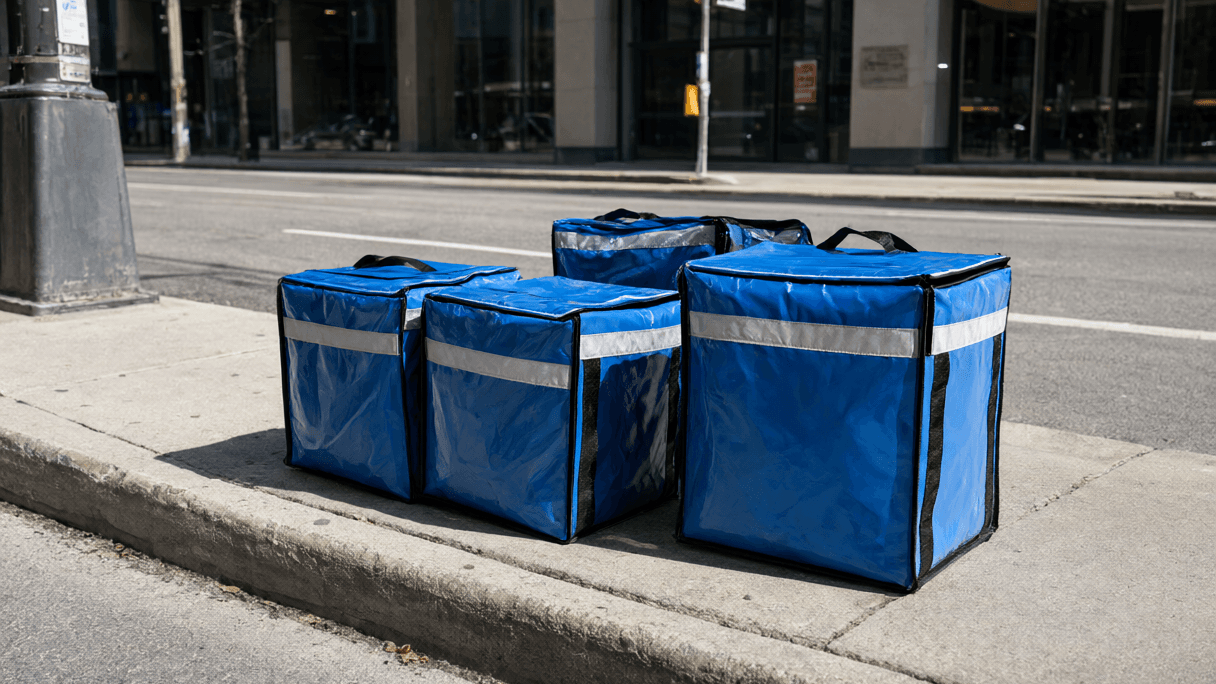
AI-generated image · US National Wire
Opinion: The flood of 'limited-time' offers and aggressive student discounts suggests DoorDash is no longer chasing growth, but fighting a desperate war of attrition over delivery fees.
In the fintech and payments world, we track where the fee actually lands. When you look at the current promotional landscape for DoorDash, the math doesn't suggest a company comfortably expanding its user base. Instead, it looks like a platform locked in a high-stakes war of attrition, using aggressive discounting to mask the erosion of its core margins.
To be clear: this is my opinion based on the current market signals. While the company presents these deals as 'savings' for the consumer, the sheer volume and variety of these offers suggest a desperate attempt to maintain volume as the cost of delivery becomes a battleground.
As first reported by Wired, DoorDash is currently saturating the market with a dizzying array of incentives. For new users, the hooks are deep: promo codes offering up to $25 off a first order of $30 or more, $8 off orders of $25, and even 25% off first-time alcohol deliveries. But the most telling signal isn't how they treat new users—it's how they are trying to keep the ones they already have.
Unlike the standard industry playbook where discounts are reserved for acquisition, Wired reports that existing customers are now being offered 30% off (up to $8) for limited times, alongside rotating weekly deals like 30% off lunchtime delivery and $5 off $20 orders. When a platform begins aggressively discounting for its established base, it is often a sign that the organic value proposition—the convenience of the service—is no longer enough to justify the delivery fee.
Then there is the subscription play. DoorDash is pushing DashPass—a subscription promising $0 delivery fees—with extreme urgency. Wired notes that students can secure DashPass for 50% off, which reduces the cost to $48 per year or $4.99 per month. Even more telling is the partnership with Chase; card members are being offered three months of DashPass for free, followed by 50% off for the next nine months.
From a payments lens, this is a classic lock-in strategy. By subsidizing the subscription cost through partners like Chase and slashing prices for students, DoorDash is attempting to build a moat of loyalty before the delivery fee becomes an unsustainable friction point for the average consumer. They aren't just selling food delivery; they are fighting to keep the 'wallet share' of the hungry consumer who might otherwise migrate to competitors like Uber Eats.
Perhaps the most revealing pivot is the launch of the 'Going Out' program. As reported by Wired, this new dine-in initiative in New York City and Miami allows users to book reservations through the app and earn rewards for visiting restaurants in person. While framed as an 'exciting update,' this is a strategic diversification. By moving into the dine-in space, DoorDash is attempting to capture value from the consumer even when the delivery driver is out of the equation. It is a hedge against the very delivery-fee war they are currently fighting.
When you combine the BOGO deals, the $0 delivery fee lures, and the aggressive student and bank-partner subsidies, a pattern emerges. DoorDash is no longer in a growth phase; it is in a retention phase. The promo codes aren't a gift—they are a defensive perimeter. If the service were truly indispensable at its standard price point, the platform wouldn't need to offer 'hundreds' of rotating daily promos just to keep users from closing the app.
In the end, the consumer wins in the short term with a cheaper burrito, but the long-term viability of the model depends on whether DoorDash can ever move past this cycle of desperation. Right now, the fees aren't just being discounted—they are being erased to keep the lights on.