
The Physical Fragility of High-Frequency Trading: A Near-Miss at Jane Street

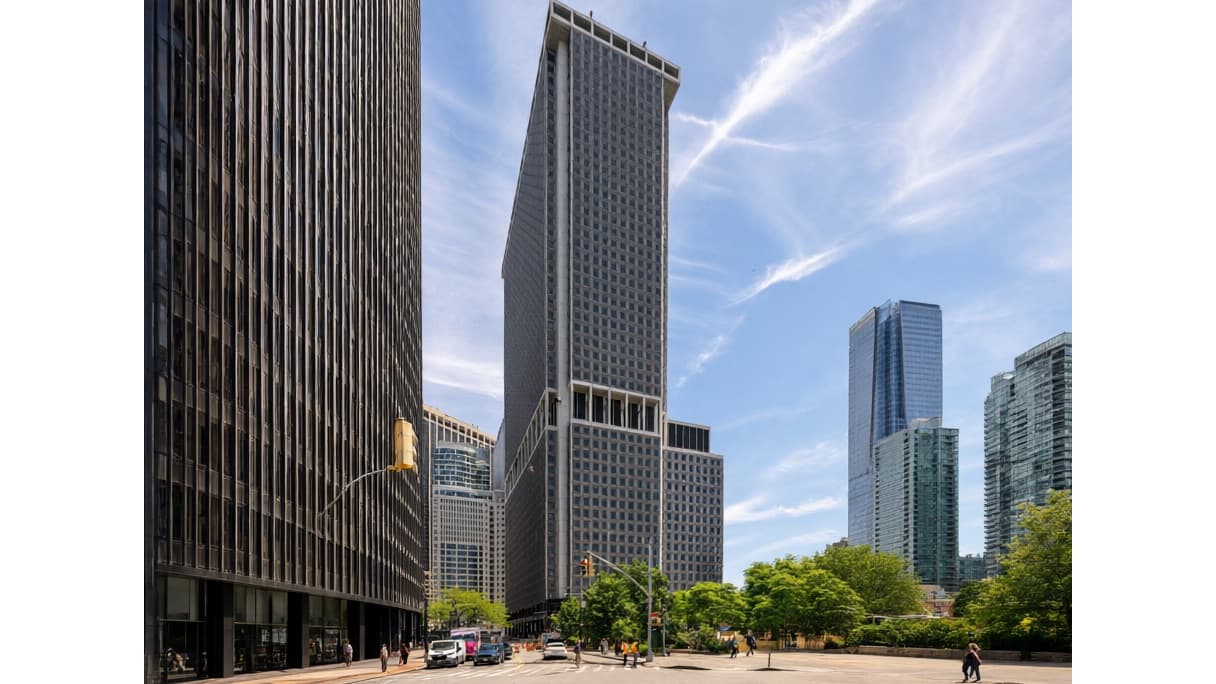
AI-generated image · US National Wire
A detailed account from a systems team member reveals how a false smoke alarm and a rigid risk culture nearly led to the water-induced destruction of Jane Street's New York City datacenter.
In the world of high-frequency trading, the distance between a billion-dollar liquidity pool and a total system collapse can be as short as a few feet of cabling. As first reported in an account by mbacarella, a critical failure at Jane Street's New York City hub underscores the precarious nature of the physical infrastructure supporting these firms.
According to the account, Jane Street maintained its primary machine room within 1 New York Plaza, a standard office skyscraper. The firm's risk culture—influenced by a partner who previously served on a nuclear submarine—emphasized manual overrides over automated trust. This philosophy led the firm to keep its servers in close proximity to the trading floor, ensuring that personnel could physically yank power cables to shut down out-of-control automated trading systems if necessary.
This commitment to manual intervention became a race against time during a specific incident involving the datacenter's fire suppression and cooling systems. As reported by mbacarella, contractors working in a prep room adjacent to the datacenter kicked up dust, which triggered a false smoke alarm. While the building's sprinklers were not immediately activated by smoke alone—requiring heat to melt a sensitive plug before spraying water—the smoke alarm was wired to automatically shut down the Computer Room Air Conditioner (CRAC) units to prevent feeding a potential fire.
This design created a dangerous feedback loop: with the cooling units disabled, the temperature in the server room began to climb rapidly. Because the smoke alarm had already pressurized the sprinkler pipes with water, the facility faced a catastrophic risk. If the ambient temperature reached 150 degrees Fahrenheit, the sprinkler heads would have triggered, potentially flooding the entire datacenter, including its 10 rows of server cabinets and subterranean diesel backup generator.
Mbacarella, a member of the systems team, describes a frantic sprint to the office to manually pull the power cords on every device in the room to prevent the hardware from overheating and triggering the sprinklers. The incident highlights a stark reality for fintech giants: despite sophisticated trading algorithms, the entire operation remains dependent on the reliability of basic office building sensors and the physical speed of the staff on the ground.