
The 'Pervert Glasses' Problem: Why Meta's Wearables Are a Privacy Nightmare

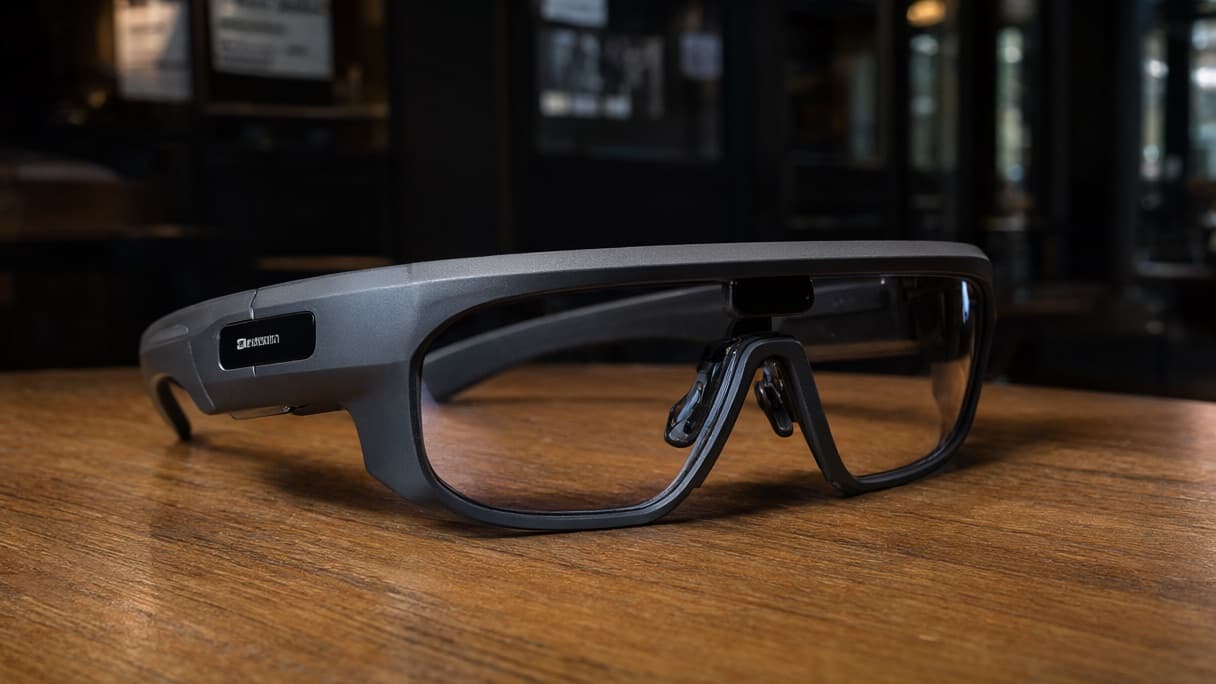
AI-generated image · US National Wire
As senators demand answers over the use of smart glasses for harassment and AI training, the inherent threat of always-on surveillance becomes impossible to ignore.
Q: What has prompted the recent government scrutiny of Meta's smart glasses?
A: As 404 Media first reported, Oregon Senator Ron Wyden and Massachusetts Senator Edward Markey reached out to Meta in a letter sent Wednesday, insisting the company address the privacy hazards posed by its smart glasses. The senators' inquiry follows a 404 Media investigation from October 2025 which detailed how the devices were used to harass massage parlor workers. According to 404 Media, Instagram accounts with millions of views and hundreds of thousands of followers uploaded videos filmed with Meta's Ray-Ban glasses showing men entering massage parlors to solicit sex work.
Q: Beyond targeted harassment, what are the broader concerns regarding how these glasses are used in public?
A: 404 Media reports that pickup artist influencers use the glasses to record people in public or at their workplaces—often without the subjects' knowledge—to create content. The real-world consequences are severe; the BBC reported in January that a woman recorded with the glasses was stalked at her job and "bombarded" with phone calls after her phone number was posted alongside the video.
Q: Is the privacy risk limited to the videos being posted online?
A: No. A central concern is how Meta uses the captured data. Senators Wyden and Markey noted that Meta's own disclosures confirm imagery from the glasses' visual AI features may be used to train AI systems, often with the help of human reviewers. The senators argued that using intimate imagery of non-consenting bystanders for commercial AI development is an invasion of privacy. Furthermore, 404 Media reports that more than 70 people have sued Meta, alleging their intimate videos and images were exposed to workers hired to label data for AI.
Q: Who has been accessing this sensitive footage?
A: Reporting from Swedish journalists in March revealed that Kenyan data labelers were annotating uncensored footage from the glasses, including violent and sexual content. Within two months of these reports, Meta ended its agreement with those workers. The Data Labelers Association in Kenya has been fighting against these labor conditions.
Q: Does Meta have safeguards to prevent this kind of covert surveillance?
A: The senators are questioning Meta on exactly what safeguards exist to prevent the nonconsensual processing or capture of intimate imagery. They are also asking if Meta evaluated the potential for the glasses to facilitate voyeurism. While the glasses have a recording indicator light, 404 Media notes that users have been modding the devices for years to disable that light.
Q: What is Meta's current trajectory for these devices?
A: Meta continues to aggressively market the glasses using celebrities like Kylie Jenner, Doja Cat, Jennie Kim of BLACKPINK, and a 2025 Superbowl ad featuring Chris Hemsworth, Chris Pratt, and Kris Jenner. Additionally, 404 Media reports that Meta filed a patent in August to incorporate highlight reel features and facial recognition into the glasses. Meanwhile, the public has begun referring to the devices as "pervert glasses."