
The New Gatekeeper: SpaceX's Bid for Total Connectivity Control

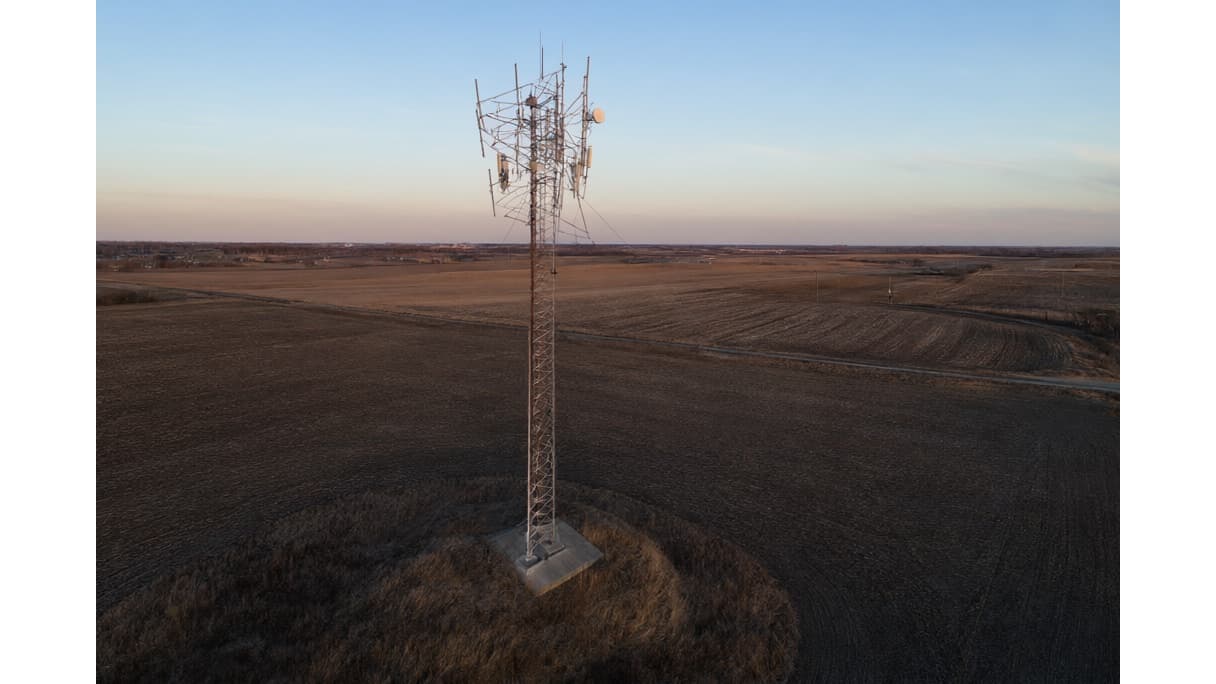
AI-generated image · US National Wire
By eyeing 80,000 cell sites and billions in spectrum, Elon Musk's SpaceX isn't just challenging the mobile giants—it's building a vertical monopoly on the pipes.
OPINION: For years, the American consumer has been trapped in a stale tug-of-war between the same three giants: Verizon, T-Mobile, and AT&T. We've been promised innovation, but mostly we've received incremental price hikes and the same mediocre coverage. Now, as first reported by The Verge, a new player is positioning itself to blow the doors off the industry. But as I look at the blueprints for SpaceX's mobile ambitions, I have to ask: are we trading three corporate overlords for one billionaire with a satellite array?
According to reporting from Bloomberg, SpaceX is currently in negotiations with Crown Castle Inc., which stands as one of the largest owners of cell towers in the United States. The scale of this potential deal is staggering. Bloomberg reports that SpaceX intends to gain access to at least 80,000 cell sites. To put that in perspective, Reuters reports there are currently 158,500 operational cell towers across the U.S. If SpaceX secures this deal, they would effectively have a footprint covering nearly half of the nation's existing tower infrastructure.
When pressed during a Wednesday earnings call regarding potential partnerships with SpaceX, Amazon, or other satellite-based services, Crown Castle CEO Chris Hillabrant declined to provide customer-specific details but noted, "you can assume that we’re talking to all parties."
On the surface, this looks like the ultimate disruption. SpaceX isn't just trying to be a Mobile Virtual Network Operator (MVNO) that rents a sliver of someone else's network. They are building a hybrid monster. The company plans to integrate this massive network of terrestrial cell towers with its own constellation of direct-to-cell satellites.
This isn't a pipe dream; it's a funded offensive. The Verge reports that SpaceX has already taken several aggressive steps to solidify this infrastructure. SpaceX has recently added several low-band spectrum licenses to its portfolio. Furthermore, the FCC has granted approval for SpaceX to deploy 15,000 upgraded V2 Starlink Mobile satellites. SpaceX claims these moves are designed to "pave the way" for Starlink Mobile to evolve into a "major" carrier within the U.S. market.
But the most telling sign of SpaceX's appetite for control happened last year. The Verge reports that the Elon Musk-owned company spent $17 billion to acquire 2GHz spectrum from EchoStar.
As a consumer advocate, I see the appeal. The promise of a seamless transition between a cell tower in downtown Manhattan and a satellite link in the middle of the Mojave Desert is a compelling value proposition. If SpaceX can actually deliver on the promise of replacing the legacy carriers, it could force a long-overdue correction in pricing and service quality.
However, we must look at the mechanism of this disruption. Most carriers rely on a mix of owned and leased infrastructure. SpaceX is attempting to vertically integrate the entire experience. By controlling the satellites (Starlink), the spectrum (via the EchoStar purchase and low-band licenses), and potentially half of the nation's tower access (via Crown Castle), Musk is not just entering the market—he is attempting to own the market's foundations.
When one entity controls the hardware in space, the spectrum in the air, and the towers on the ground, the definition of "competition" changes. We are no longer talking about a company that competes on service; we are talking about a company that controls the pipes through which all communication flows. If the goal is to break the stranglehold of Verizon and AT&T, we must ensure we aren't simply handing the keys to the kingdom to a single individual whose appetite for consolidation is well-documented.
SpaceX is betting big—and spending billions—to become the ultimate connectivity provider. But as the company moves toward becoming a "major" carrier, the public interest should be focused on whether this creates a more open ecosystem or a more efficient monopoly.