
The Invisible Revolution: NBA's Push for Chip-Enabled Balls

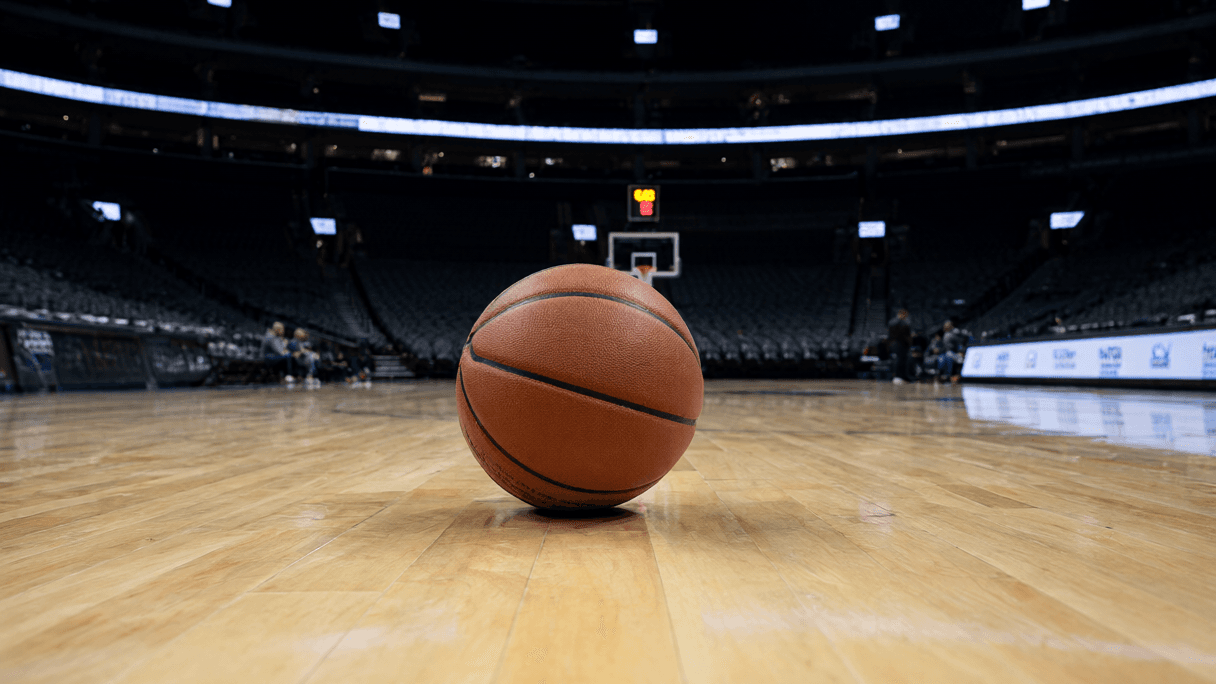
AI-generated image · US National Wire
A move toward quantifying every rotation and trajectory could redefine officiating and broadcast data by 2027.
The NBA is venturing into a new era of quantification, developing a 'smart ball' designed to capture data that escapes both the human eye and traditional cameras, as Sports Illustrated first reported. The league has partnered with Wilson to integrate a Bluetooth sensor into the ball that tracks rotation, movement, and trajectory changes.
The innovation is designed to be imperceptible. The sensor weighs approximately one gram, accounting for less than 0.2 percent of the ball's total weight of roughly 620 grams. NBA Commissioner Adam Silver noted that in blind tests, players were unable to distinguish between the standard ball and the chip-enabled version.
While the primary application is officiating, the technology is not intended to replace referees. Instead, Sports Illustrated reports the sensor would provide evidence during review processes—specifically for out-of-bounds plays where a slight change in rotation could indicate a player touched the ball before it crossed the line.
The league's caution stems from a historical failure. During the 2006-07 season, the NBA introduced a synthetic microfiber Spalding ball with two panels instead of eight. The experiment was panned by players, including Dirk Nowitzki, Jason Kidd, and Steve Nash, who reported finger cuts. The ball was pulled from the game by January 1, 2007.
To avoid a repeat, the NBA has tested the current sensor technology in the G League, the Summer League, and select preseason games for research. Additionally, the league tested wrist-worn devices for referees to facilitate direct communication with the replay center.
Silver indicated that 2027 is the earliest possible date for the technology to be used in games. He also acknowledged that a commercial version for consumers is a possibility, though it remains several years away.