
The Artist's Return: Analyzing Kyrie Irving's Post-ACL Efficiency

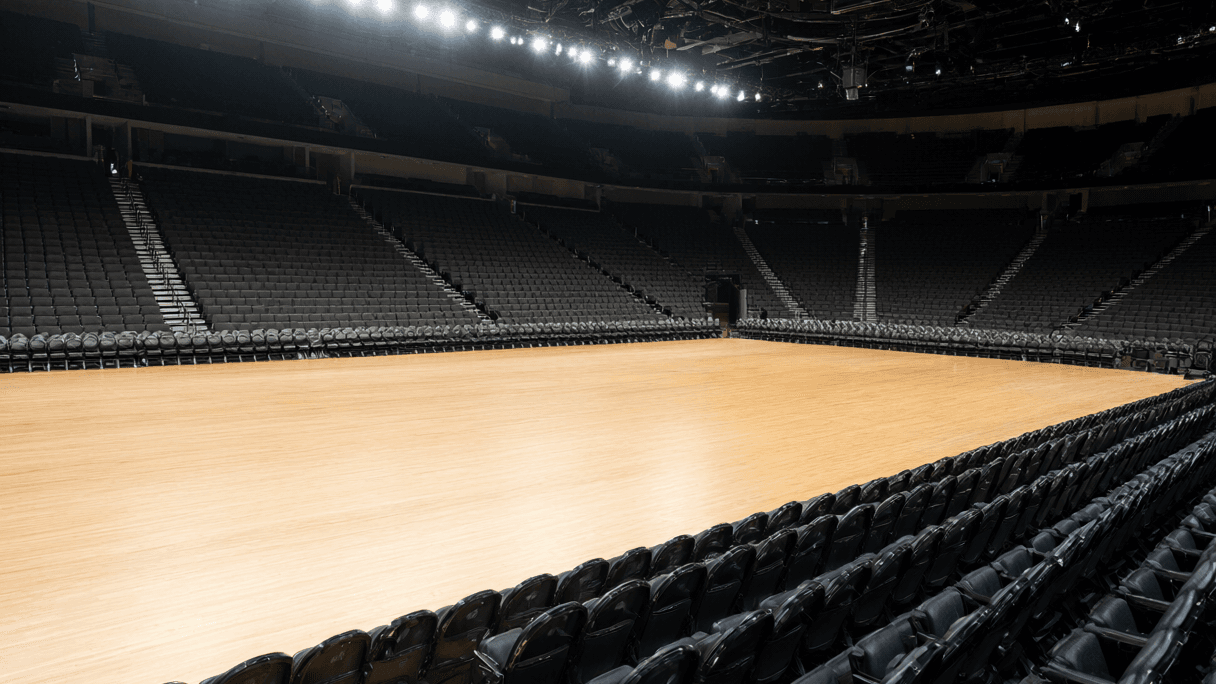
AI-generated image · US National Wire
After a 20-month hiatus, the Dallas Mavericks' offensive engine returns in Macau, signaling a shift in how one of the league's most unique scorers navigates a massive physical reset.
In the world of NBA offensive architecture, Kyrie Irving has always functioned as the unpredictable variable—the 'jazz musician,' as Dallas Mavericks coach Dusty May described him during a postgame press conference. But for the last 20 months, that engine was silent, as first reported by The Guardian.
Irving's return on Sunday night at the Venetian Arena in Macau, China, was more than a sentimental homecoming; it was a litmus test for a player recovering from a catastrophic injury. Having torn the anterior cruciate ligament (ACL) in his left knee on March 3, 2025, Irving entered a pre-season matchup against the Houston Rockets having not seen game action in nearly 600 days.
From an efficiency standpoint, the 'reset' was immediate. According to reporting from The Guardian, Irving didn't waste a possession, scoring a reverse layup on the game's opening play after being set up on the right wing by reigning rookie of the year Cooper Flagg. That initial aggression set the tone for a performance where Irving totaled 17 points, shooting six for 13 from the field.
While the raw numbers—17 points, three assists, and two rebounds in just under 22 minutes—are modest, the context is everything. Irving missed the entirety of the previous season. Before his injury late in the 2024-25 campaign, he was averaging 24.7 points per game for Dallas. For a Mavericks franchise that reached the NBA finals in 2024 but has since missed the last two postseasons, the restoration of Irving's scoring efficiency is the primary lever for a return to elite status.
Coach May noted that Irving's physical and mental condition were 'impressive,' admitting he did not expect the nine-time All-Star to play so effectively after such a prolonged absence. Irving himself echoed this sentiment, telling reporters he had 'dreamed' about the return and entered the game with a mindset specifically geared toward attacking.
Even opponents recognized the gravity of the comeback. Houston guard Marcus Smart told The Guardian that while the competition is fierce, seeing Irving return from such a significant injury was 'great to see.'
As the Mavericks secured a 132-115 victory, the narrative shifted from *if* Irving could return to *how* he will adapt. The reverse layup in Macau suggests that the creative instincts remain intact, but the real study will be whether he can sustain that 24.7-point-per-game trajectory over a full season following a total knee reconstruction.