
The Humanoid Liability Gap: Insuring the Robot Chaos

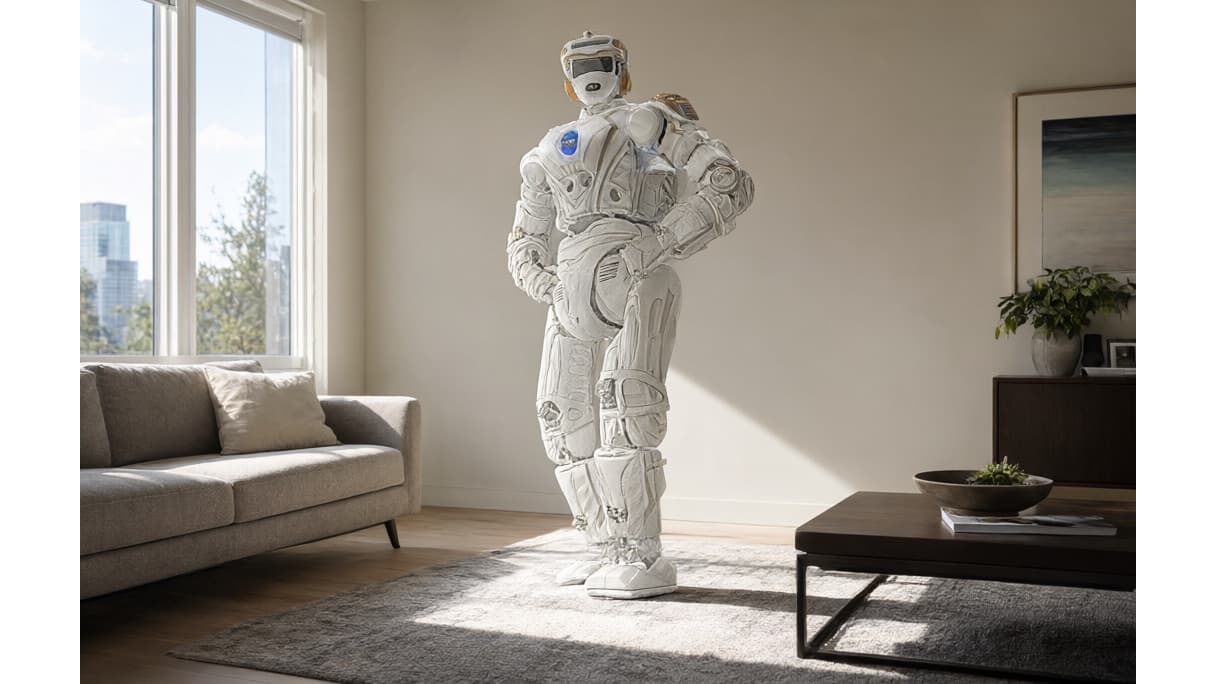
AI-generated image · US National Wire
As humanoid robots enter the home, new insurance products are emerging to monetize the risks of physical AI malfunctions.
Q: What is the new insurance product being introduced for humanoid robots?
A: As The Register first reported, specialist insurer Adrian Flux is launching the first domestic humanoid robot insurance policy in the UK. This product is part of its home insurance range and is underwritten by the Texas-based firm Tokio Marine HCC.
Q: Why is this insurance being launched now?
A: The Register reports that Adrian Flux and Tokio Marine HCC aim to get ahead of an emerging market, as domestic robots are expected to enter UK homes starting in 2027. There is already existing demand in the US, where companies have released early humanoid models priced around $20,000.
Q: What specific risks and damages does the policy cover?
A: Per The Register, the policy covers the theft of the robot as well as damage to the machine itself. It also covers damage the robot causes to the home or personal belongings. Crucially, the policy includes personal liability for instances where the android damages property or injures a person, and provides for the safe disablement or emergency recovery of the robot following an unforeseen malfunction.
Q: How do industry leaders view the trajectory of humanoid robotics?
A: The Register notes that Nvidia's Jensen Huang predicts humanoid robots will be ubiquitous, appearing in both homes and factories. Similarly, Elon Musk has stated that the Optimus robot will be Tesla's largest product, predicting thousands of these units would be in Tesla factories by the end of 2025.
Q: Are there other commercial applications for these robots beyond the home?
A: Yes. The Register reports that Chinese carmaker Chery is utilizing humanoids as sales staff in showrooms, and another unnamed firm has demonstrated their use in automotive manufacturing.
Q: What is the philosophy behind this new insurance vertical?
A: Gerry Bucke, the general manager for Adrian Flux, told The Register that the goal is to provide clarity regarding responsibility when malfunctions occur. Bucke compared the rollout to a driverless car policy the firm launched in 2016, noting that the product will be updated as risks and technology evolve.