
The High-Tech Litter Box Gamble: Luxury Convenience or Sensor Nightmare?

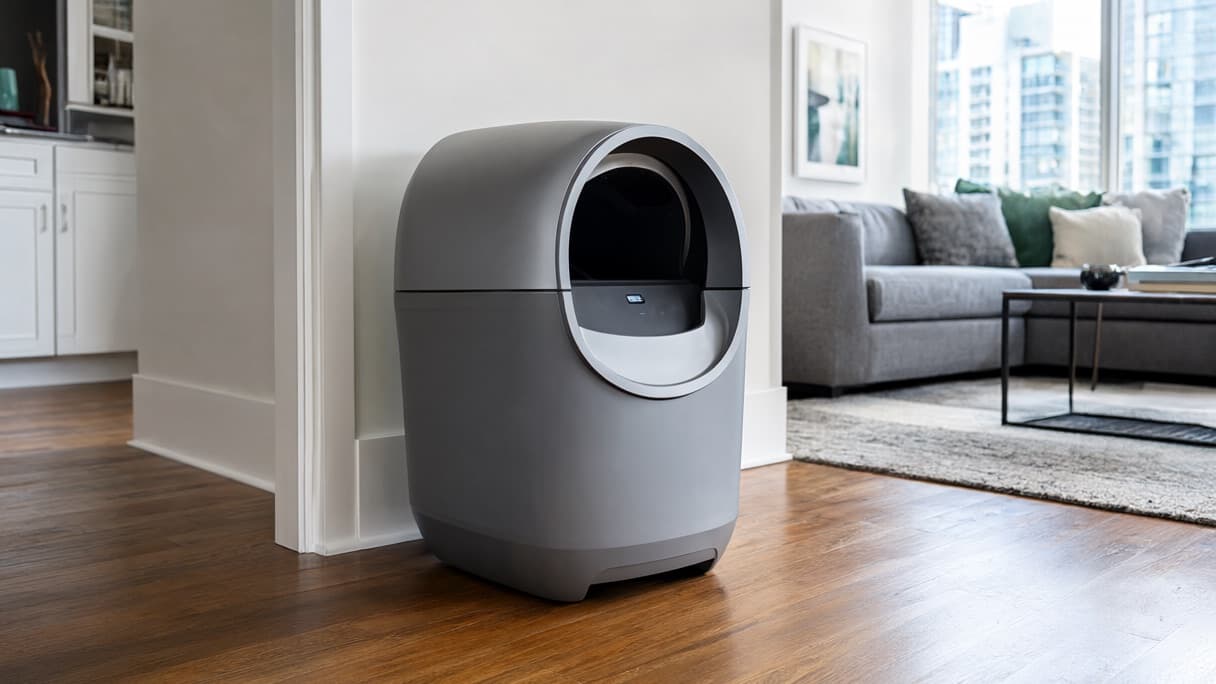
AI-generated image · US National Wire
I'm putting these 'luxury' boxes through a real-world stress test to see if they actually eliminate the chore or just trade scooping for a nightmare of proprietary sensor failures.
Let's be honest: the spec sheet for a high-end litter box is designed to make you believe you've finally beaten the chore of cat ownership. But as someone who doesn't trust a brochure, I'm looking at these gadgets through a different lens. Are we actually eliminating the work, or are we just shifting the labor from a plastic scoop to a buggy app and failing sensors?
As Wired first reported, the promise is a future where scooping and smells are gone. In their testing of over 30 models, Wired writer Molly Higgins Gear found that these machines can indeed be a game changer. However, the 'luxury' experience varies wildly depending on which proprietary system you buy into.
Take the Petkit PuraMax 2, which Wired recommends for most people. On paper, it's a win: it features a rotating design for easier filling and a triple odor control system involving a sealed bin, an odor-eliminator attachment, and a citrusy spray. But here is where the 'real world' hits. Wired notes that this model lacks sensors to alert you when litter is low, meaning you're back to manual checks. Furthermore, the Petkit app is described as buggy and overcrowded with advertisements for other company products. If you have a larger cat, the PuraMax 2 is even more problematic; Higgins Gear noted that her 17-pound cat found the opening too cramped.
Then there is the Petkit Purobot Max Pro 2, which leans heavily into the 'smart' gadget territory. It boasts a 1080p wide-angle camera with AI face recognition for multi-cat homes and a larger opening to accommodate bigger cats. It even offers a 'Care+' service that monitors for unusual activity, such as howling, and tracks weight fluctuations. While the tech is impressive, it raises the question of whether we need a 210-degree camera to manage a litter box, or if we're just adding more points of failure to the system.
For those who want the chore fully automated, the Whisker Litter-Robot 4 stands out in Wired's testing primarily because of its LitterHopper attachment, which handles the refilling process—a feature missing from the PuraMax 2.
In my opinion, the divide here is clear: you are either paying for genuine utility (like the Litter-Robot 4's refilling) or you are paying for 'smart' features that may just lead to app fatigue. When a company's app is filled with ads and the hardware requires manual monitoring despite the 'automatic' label, the luxury starts to feel like a trade-off. If you're opting for the budget route, the Lesure Self-Cleaning Electronic Litter Box is an option, but the real test remains whether these machines simplify your life or just give you a new set of technical glitches to troubleshoot.