
The High-Stakes Pivot: How Betting is Redefining the F1 Fan Experience

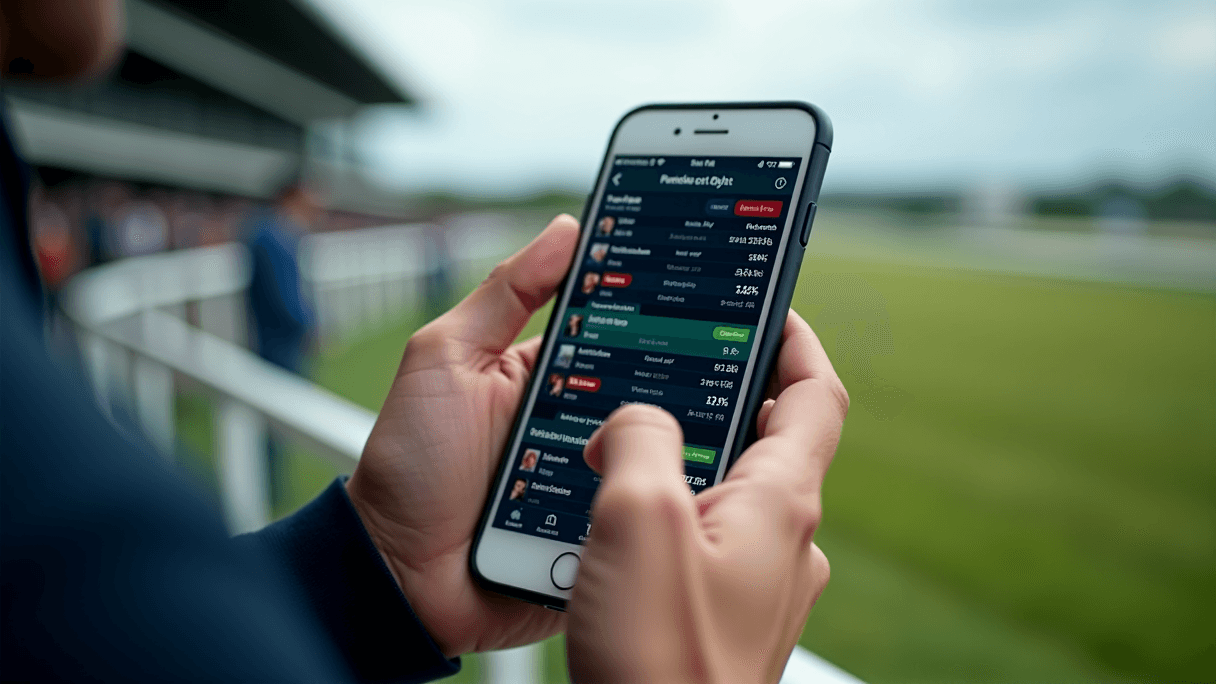
AI-generated image · US National Wire
Opinion: As Formula 1 expands globally, the aggressive push from sportsbooks and prediction markets is transforming the sport's visibility and accessibility.
As we track the current four-year Olympic cycle, the intersection of high-performance athletics and high-stakes wagering has never been more pronounced. In the world of motorsports, specifically Formula 1, we are witnessing a fundamental shift. What was once a niche pursuit for gearheads is being aggressively repackaged for the mainstream through the lens of betting. In my view, this surge in gambling accessibility is not just a side-effect of F1's growth—it is becoming a primary engine for the sport's visibility.
According to reporting from CBS Sports, motorsports have seen a skyrocket in popularity over recent years. As CBS Sports has detailed, this growth is being fueled by a convergence of pop culture and the accessibility of betting on events like the Daytona 500 and various F1 Grand Prix races. The result is a landscape where the barrier to entry for a new fan is no longer a deep understanding of aerodynamics or tire compounds, but rather a $5 deposit into a sportsbook app.
The sheer aggression of the promotional environment underscores this shift. CBS Sports details a marketplace where giants like DraftKings and FanDuel are competing for the attention of racing fans with "bet and get" promotions. For instance, DraftKings rewards new users with $150 in bonus bets after $5 are spent, while FanDuel provides up to $1,000 in bet reset tokens for users who bet $5 for five days, with a token allotted for each $5 bet. Even more aggressive are the offers from BetMGM, which covers first bets up to $1,500 if they lose, and Caesars Sportsbook, which allows users to double winnings on their next 10 wagers after a $1 bet.
This isn't just about traditional sportsbooks. We are seeing the rise of federally regulated prediction markets that further democratize access to motorsports trading. CBS Sports notes that platforms like Kalshi and Polymarket are widely available in the U.S., offering unique entry points. Kalshi, for example, provides up to $500 in bonus trading credits for an initial trade of $25 or more, while Polymarket offers a $20 trading bonus for a $10 deposit.
From an analytical perspective, this shift alters how fans consume the sport. Betting markets are now creating value and interest in events that might have previously been overlooked. While the Monaco Grand Prix remains the season's biggest spectacle—despite being described by CBS Sports as somewhat mundane due to limited passing opportunities—the betting ecosystem extends the drama. Fans can now wager on qualifying outcomes, which CBS Sports notes can subsequently shift the odds for the main race.
Furthermore, the expansion is reaching deep into regional markets. In Arkansas, for example, the betting landscape shifted significantly on February 26, 2026, when the Arkansas Racing Commission approved FanDuel and DraftKings as sportsbooks. This followed a complex regulatory battle over a revenue-sharing rule—approved by the ARC on December 30, 2021, and finalized by the Arkansas Legislative Council on February 22, 2022—which requires third-party operators to give 51% of their revenue to in-state partners. By partnering with Oaklawn Casino (FanDuel) and Southland Casino Hotel (DraftKings), these operators have brought mainstream betting accessibility to the "Razorback State," with operations launching in March 2026.
However, we must distinguish between the seamless experience of F1 betting and the fragmented nature of other racing disciplines. CBS Sports highlights a stark divide in the U.S. between sportsbooks and racebooks. Horse racing, for example, operates under a pari-mutuel wagering system where the house and horsemen take a "takeout" (a percentage of the pool), and the remaining funds are divided among winners. Unlike F1 betting, where a 10-1 bet remains a 10-1 payout regardless of market movement, horse racing payouts fluctuate until the race begins. This complexity is why fans must use separate apps like DK Horse, TwinSpires, 1/ST BET, or FanDuel Racing to wager on events like the Kentucky Derby.
As F1 continues to add high-profile events in cities like Miami and Las Vegas, and concludes its calendar with the championship-deciding Abu Dhabi Grand Prix, the integration of betting is inevitable. The sport is no longer just about who crosses the finish line first; it is about the movement of the lines. While some may argue that this commercializes the purity of the race, the reality is that the accessibility provided by these platforms is driving a level of engagement that traditional broadcasting alone could never achieve.
Ultimately, the surge in motorsports betting is transforming F1 from a spectator sport into an interactive financial market. Whether through a $5 bet on DraftKings or a complex trade on Kalshi, the new era of racing visibility is being written in the language of odds and bonuses.