
The Blueprint of the Spectacle: How the Dempsey Era Defined the Modern Fight

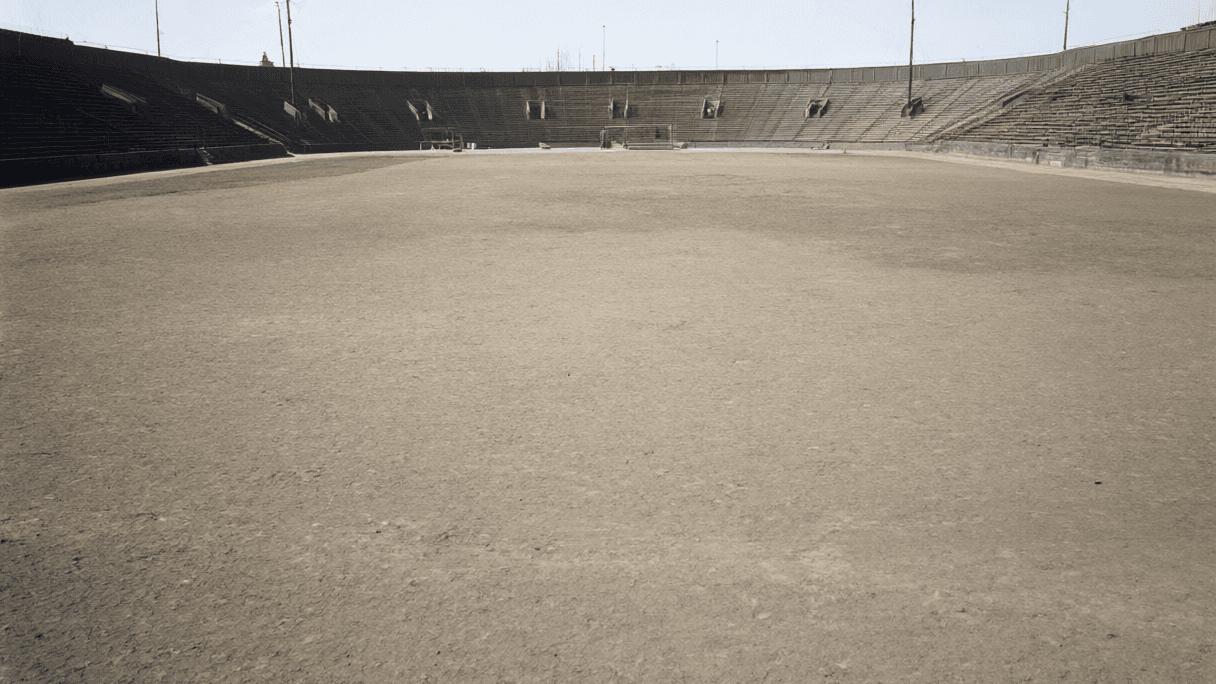
AI-generated image · US National Wire
A century after the legendary clash between Jack Dempsey and Gene Tunney, the commercial mechanisms of the 'mega-fight' continue to shape the trajectory of combat sports.
Opinion: As we mark the centennial of the first encounter between Jack Dempsey and Gene Tunney on September 23, 1926, the echoes of that era remain audible in the commercial structure of modern combat sports, as The Guardian first reported. The blueprint for this scale of spectacle was drafted during the Roaring Twenties through the calculated efforts of promoters and the raw magnetism of fighters like Dempsey.
According to reporting from The Guardian, boxing faced a period of decline leading up to the 1920s. The sport was under fire from moral reformers who viewed it as sinful, and the heavyweight division lacked a popular champion following the 1904 retirement of James Jeffries. The sport's trajectory shifted when Tex Rickard, described by The Guardian as America's premier boxing promoter, began transforming the fight into a respectable, cross-class attraction.
Rickard's strategy relied on pairing high-stakes drama with massive venues. On July 4, 1919, Rickard lured former champion Jess Willard back to the ring with a $100,000 guarantee to face Dempsey in Toledo, Ohio. This event served as the first major outdoor prizefight in the U.S. since 1910. The commercial ceiling continued to rise on July 2, 1921, when Dempsey faced Georges Carpentier at Boyle’s Thirty Acres in Jersey City. The Guardian reports that this event drew over 80,000 spectators—the largest American sporting crowd at the time—and generated a live gate of $1,789,238, which is equivalent to more than $32.5 million today.
Beyond the gate, the Dempsey-Carpentier bout pioneered media integration; it was the first world championship fight to be broadcast live via radio. This shift toward mass-media accessibility allowed promoters to build narratives around the athletes to drive viewership. In the case of the Carpentier fight, the promotion played on stark contrasts: Carpentier was presented as a glamorous, decorated World War I pilot, while Dempsey was viewed as his opposite, characterized by a coarse beard and a permanent iron scowl, as noted by biographer Randy Roberts in The Guardian's reporting.
Dempsey himself provided the visceral energy required to sustain such a spectacle. A former hobo who fought under the name "Kid Blackie" in the American West, Dempsey's style was defined by what sportswriter Paul Gallico described as a "bottomless well of cold fury." Trainer Ray Arcel likened him to a "saloon fighter," noting that Dempsey used aggression as his primary defense, relentlessly attacking opponents until the bell rang.
By the time Dempsey and Tunney met in Philadelphia before 120,000 fans in 1926, the 'mega-fight' had moved from a niche attraction to a national obsession. The transition from the raw, desperate fighting of Dempsey's youth—where he recalled fighting simply to collect $2 to avoid hunger—to the million-dollar gates of the 1920s established the commercial machinery that still drives the boxing world today.