
The High-Stakes Gamble of Blood Purification: Efferon's Pediatric Push

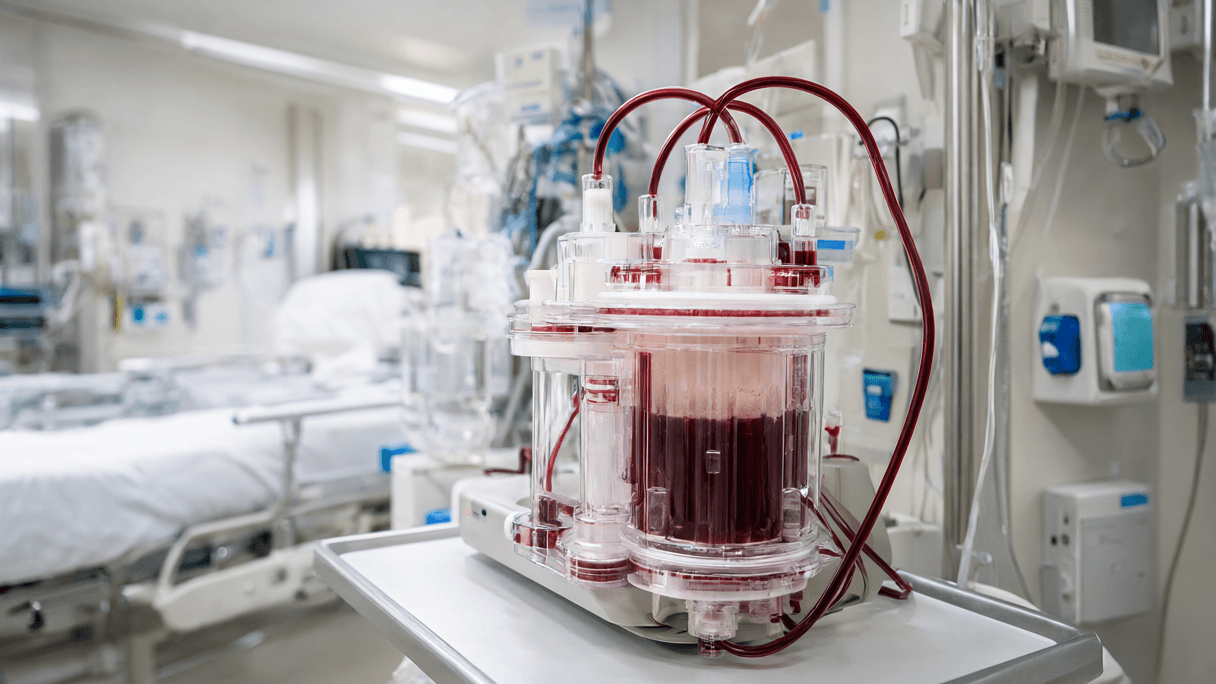
AI-generated image · US National Wire
The startup claims its Efferon NEO device can eradicate the toll of pediatric sepsis, but the gap between CE marking and peer-reviewed clinical data remains wide.
As first reported by TechCrunch, the startup Efferon is attempting to combat pediatric sepsis, a condition that claims roughly 3 million children under five annually. The company has developed the Efferon NEO, a blood-filtration device designed to remove both endotoxins and cytokines simultaneously—a mechanism CEO Dima Romashin likens to extinguishing both the flames and the smoke of a fire.
The technology, originating from Moscow State University and co-founder Ivan Bessonov, is specifically engineered for children's lower circulating blood volume. In April, the Efferon NEO received a CE mark, making it the first device of its kind for multimodal blood purification tailored for pediatric sepsis. The device is currently used in 30 countries, including Thailand and Saudi Arabia, and the company is now preparing for FDA approval with a revenue target of $2 million by the end of 2026.
*Opinion: While the ambition to reduce childhood mortality is laudable, the medical community requires more than a CE mark and anecdotal success to validate a paradigm shift in sepsis care. Efferon's claims regarding simultaneous absorption are bold, but they currently lack widely available, peer-reviewed clinical data. Until such results are scrutinized by independent researchers, Efferon NEO remains a high-stakes gamble on hardware that has yet to prove its superiority in a controlled setting.*