
Research Warns Permanent Daylight Saving Time Could Trigger Public Health Crisis

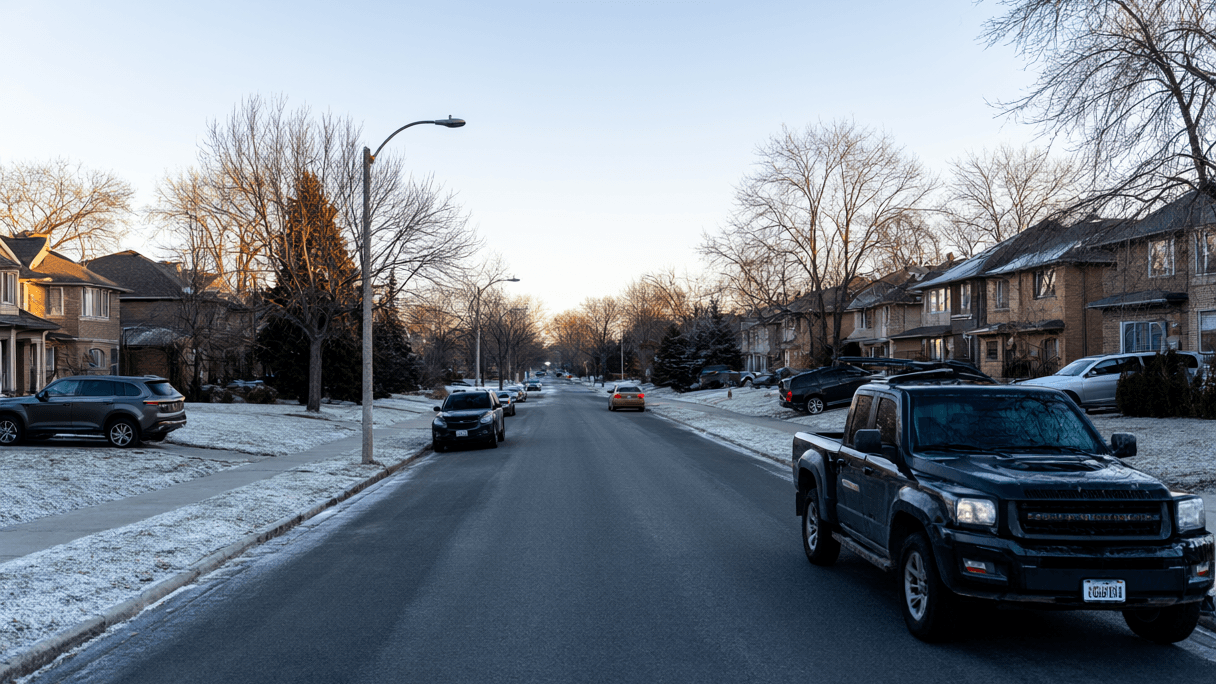
AI-generated image · US National Wire
While political leaders push for extended evening light, scientists warn that darker winter mornings disrupt circadian rhythms and impact productivity.
President Trump is currently urging the U.S. Senate to adopt permanent daylight saving time (pDST), a move intended to extend evening light for activities such as golf. However, as The Register first reported, a review published in the Canadian Medical Association Journal suggests that the health costs of pDST may outweigh the benefits.
According to the analysis, the human circadian rhythm operates on a 24.2-hour cycle and requires morning sunlight to synchronize with the environment. While pDST facilitates recreation and commuting, it prolongs morning darkness, which the authors state conflicts with biological needs. Conversely, the study finds that permanent standard time (pST) is the superior option for public health, aligning with global chronobiology and sleep society recommendations.
Evidence cited in the Canadian analysis indicates that shifted light patterns have tangible socioeconomic impacts:
* **Sleep and Earnings:** A study of U.S. time zones found that residents in western areas, where the sun sets later, averaged one hour less sleep per week. This loss was linked to approximately 5% lower long-term earnings. * **Education:** Research from Florida showed that an additional hour of sunlight before school correlated with higher reading and math scores, an effect the study compared to meaningful reductions in class size. * **Productivity:** Data from the U.S. and Germany indicated that workers on the western edges of time zones worked fewer hours.
Political resistance persists in the U.S. Senate, where Senator Tom Cotton (R-AR) has opposed the measure, noting that previous U.S. attempts at pDST—during World War II and in 1973—were repealed due to public backlash over dark winter mornings. The Register notes that other nations, including Russia and Chile, also adopted and subsequently reversed pDST due to concerns over safety, sleep disruption, and public dissatisfaction.