
The Grid Modernization Myth: AI is Cannibalizing Our Energy Stability

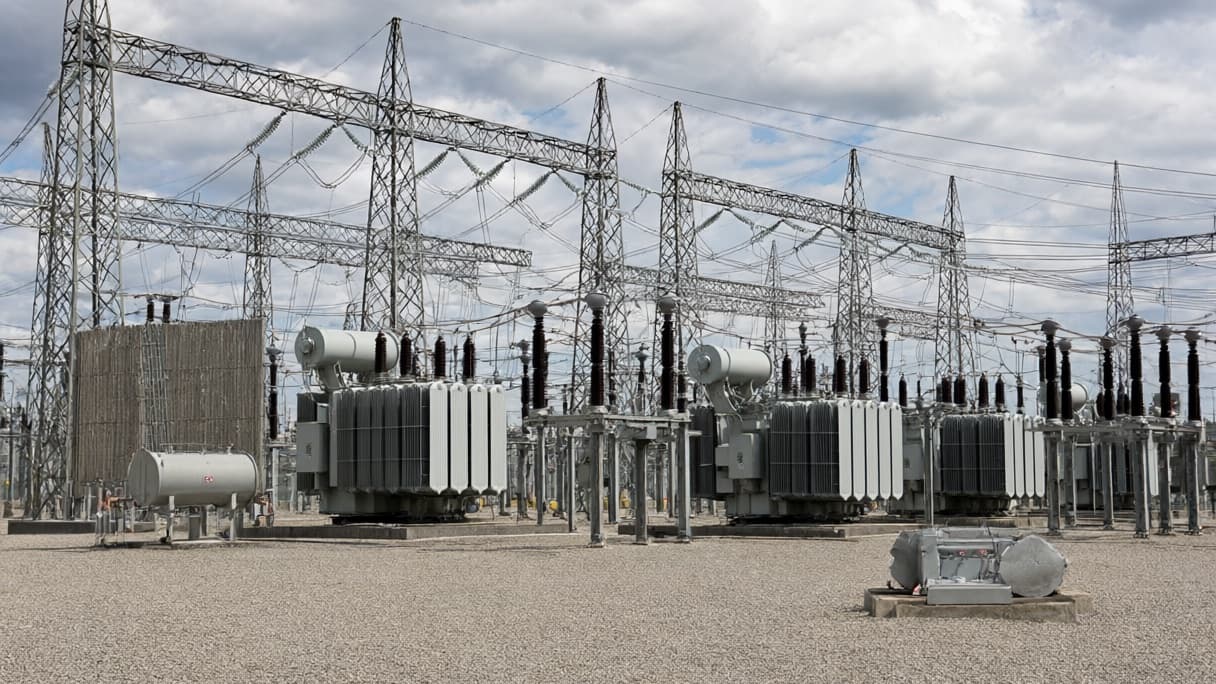
AI-generated image · US National Wire
Opinion: Industry insiders claim the AI boom is a catalyst for infrastructure innovation, but the reality is a high-stakes stress test paid for by the public.
Let’s be clear: the narrative that the AI boom is a benevolent catalyst for 'grid modernization' is a convenient fairy tale. It is a story told by those who stand to profit from the chaos, designed to mask a grim reality: the insatiable energy appetite of data centers is cannibalizing the stability of the American electrical system.
As TechCrunch first reported, the surge in energy demand driven by AI is enacting a massive stress test on an aging infrastructure. The immediate risks are not theoretical; they are financial and operational. There are legitimate worries that this energy crunch will lead to surging electrical bills for everyday consumers and, eventually, technical failures or widespread outages.
Yet, if you listen to the industry insiders at TechCrunch Disrupt, this crisis is actually an opportunity. Apoorv Bhargava, the founder and CEO of Weavegrid, suggests that the current struggle to manage new loads—including data centers, electric vehicles, and heat pumps—is simply a matter of orchestration. His company, Weavegrid, claims its software can optimize connections to reduce bills for utility payers. It is a classic tech-bro pivot: creating a problem of gargantuan proportions and then selling the software to manage the fallout.
Then there is the hardware pitch. Tim Heidel, CEO of Veir, argues that the scale of AI investment is driving innovation that will make data centers 'best community neighbors.' Veir, which recently raised $110 million in a series C funding round, sells superconductive power lines that the company claims can carry power five times further than traditional cables while using 20 times less space. Heidel wants these technologies adopted as quickly as possible to ease growth. But we must ask: who is paying for this 'innovation' while the public's bills climb?
Even the advocates for household electrification are buying into the hype. Kristen Eberhard, VP of policy at Rewiring America, describes this as an 'improv era' of 'yes-and-ing,' where the urgency of AI demand is finally forcing the deployment of transmission lines and centralized power plants that were previously ignored.
This is the core of the delusion. The idea that we should be grateful to AI lobbyists for finally prioritizing the grid is absurd. The 'urgency' Eberhard cites isn't a strategic plan for public good; it is a desperate scramble to keep the lights on while data centers devour the available capacity.
We are being told that the AI boom is 'opening the door' to a better future. In reality, it is kicking the door down and leaving the American public to pick up the tab. The promise of superconductive cables and load-management software is a small consolation for a population facing the very real threat of energy instability. AI isn't saving the grid; it's breaking it, and the 'modernization' narrative is just the lubricant used to make the pill easier to swallow.