
The Great AI Denial: Big Tech's Desperate Attempt to Rebrand a Public Mandate

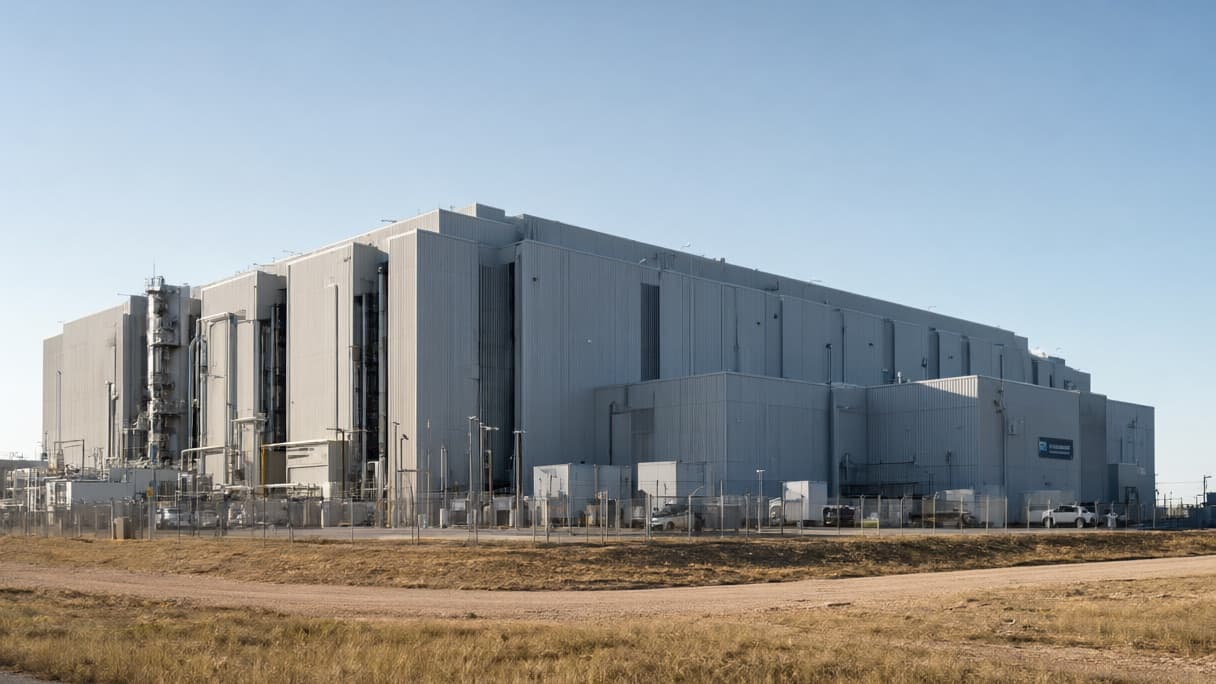
AI-generated image · US National Wire
Industry insiders are framing the overwhelming voter rejection of AI infrastructure as a partisan quirk to dodge regulatory accountability.
The results of the 2026 midterms are in, and for the architects of the American AI buildout, the verdict is a disaster. Voters didn't just signal a preference; they delivered a systemic rejection of the industry's current trajectory. Yet, in a move that is as predictable as it is delusional, Big Tech is already attempting to pivot this public outcry into a mere partisan glitch.
As Ars Technica first reported, the scale of the defeat is staggering. According to data from Redbud Consulting, 38 of the 44 ballot measures across 10 states aimed at restricting data centers were approved. These measures included a wave of bans and moratoriums. While some analysts suggest projects approved through 2027 are safe, the future is bleak: the vast majority of these wins target projects planned for 2028.
The most critical blow came in Texas, the epicenter of the AI boom. As Axios reported, the election of Democratic governor Gina Hinojosa fundamentally scrambles the math for the industry. Texas had been expected to provide more than 41 percent of the new data center capacity added in 2028. Hinojosa now intends to delay projects to pass legislation addressing property rights and impacts on air, electricity, and water. Bloomberg reports that approximately 13 gigawatts of capacity are now exposed, and Gordon Johnson of GLJ Research warns that projects lacking state environmental permits could slip by 12 to 18 months.
This isn't an isolated Texas problem. Democrats also won governor races in Ohio, Georgia, and Arizona—the next three largest states courting developers. Axios projects that nearly two-thirds of 2028 data center capacity could face delays similar to those in Texas, while Bloomberg estimates half of all U.S. data centers are now vulnerable to scrutiny.
Enter the industry's spin. Adam Kovacevich, CEO of the Chamber of Progress and a former Google executive, is leading the charge to minimize the results. In a statement, Kovacevich claimed there is "little evidence of a voter mandate" and warned against confusing an "anti-Trump wave" with an "anti-tech mandate." He contends that voters were more concerned with economic issues than with curbing innovation.
This framing is a transparent attempt to dodge accountability. It ignores the raw data. NBC News exit polls indicate that 3 out of 4 voters are opposed to data centers. Alejandra Montoya-Boyer, vice president of The Leadership Conference’s Center for Civil Rights and Technology, rightly identifies this as the first "true AI election," where record midterm turnout saw voters choosing leaders willing to protect their rights from "unchecked AI."
For the giants of the industry, the panic is financial as much as it is political. As noted by Ars Technica, a recent Gartner estimate suggested the AI boom is nearly $5 trillion short of paying for itself. Now, as Libby Cantrill of PIMCO warns, developers face "sand in the gears"—more concessions, longer permit times, and tighter rules on tax incentives.
To claim this is simply a political quirk is a fantasy. The public is not voting against a party; they are voting against the environmental and economic costs of an unchecked AI expansion. The industry can call it a "wave" all they want, but the numbers show it is a wall.