
The Friction in the Wallet: Where Google's UX Meets Legacy Banking Walls

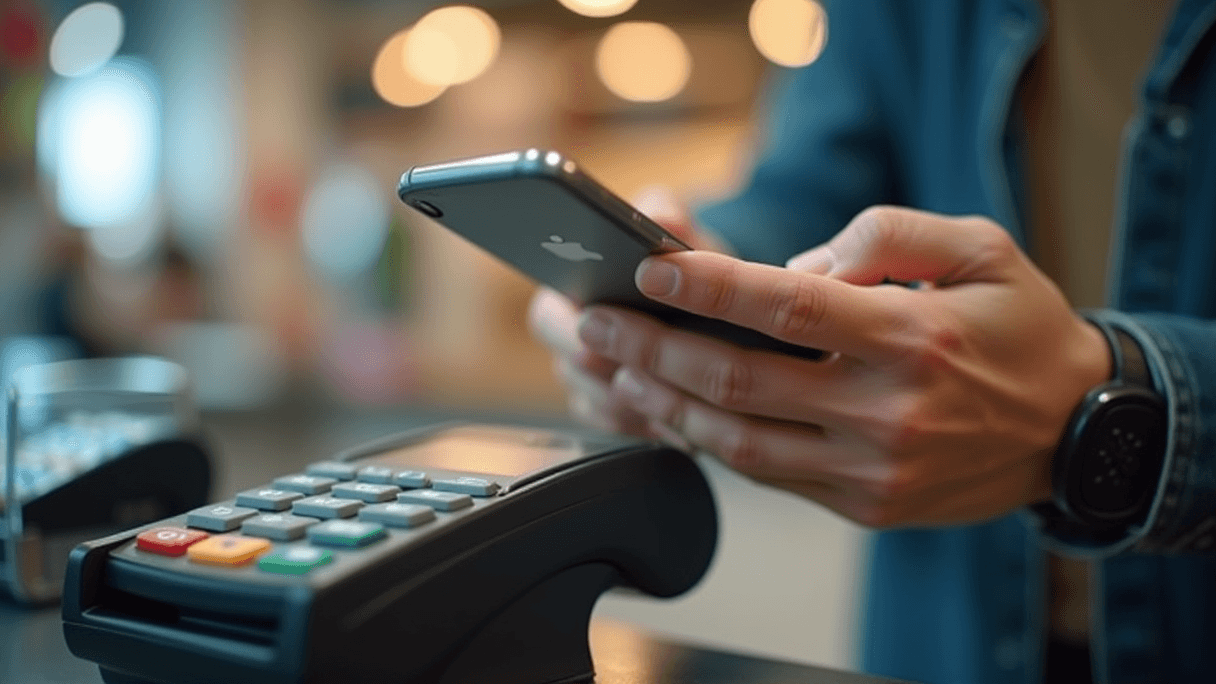
AI-generated image · US National Wire
Technical hurdles in Google Wallet—from verification delays to bank eligibility—highlight the tension between digital payment ambitions and traditional financial rails.
Google Wallet is designed to eliminate the physical wallet by replacing plastic cards with virtual ones. However, as Engadget first reported, the path to a seamless checkout is often obstructed by friction points extending beyond simple user error.
Technical hurdles can range from ensuring NFC is enabled in a Samsung Galaxy's connection settings to removing thick metal phone cases that block contactless readers. More systemic delays occur during onboarding; Engadget notes that possessing a physical bank card does not guarantee support, as users must have an eligible account and a supporting bank.
Even with an eligible card, legacy banking infrastructure can act as a gatekeeper. Banks may require additional verification or manual approval before activation. Google typically warns users if a setup process cannot be completed, signaling the bank is not accepting the request. To bypass this, some institutions provide a specific "Add to GPay" option within proprietary banking apps.
Verification remains a primary sticking point. Users may wait for a text message code that fails to arrive due to outdated contact information on file. While Google lists alternative verification methods—including phone calls and bank account code verification—the burden of resolving these discrepancies rests with the user.
Finally, Google imposes its own security guardrails. According to Engadget, contactless payments are blocked entirely if a device lacks Google Play Protect certification. While users can attempt to resolve this by updating Android system updates or Google Play services, the requirement underscores the strict security layers necessary for digital transactions.