
The Founder-God Liability: How Nvidia's Collapse Exposes the Fragility of AI Infrastructure
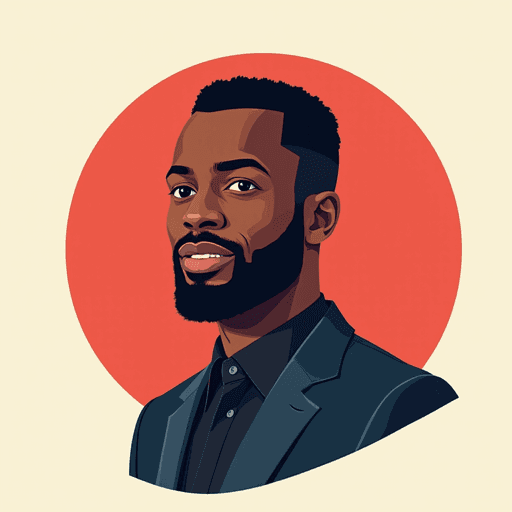
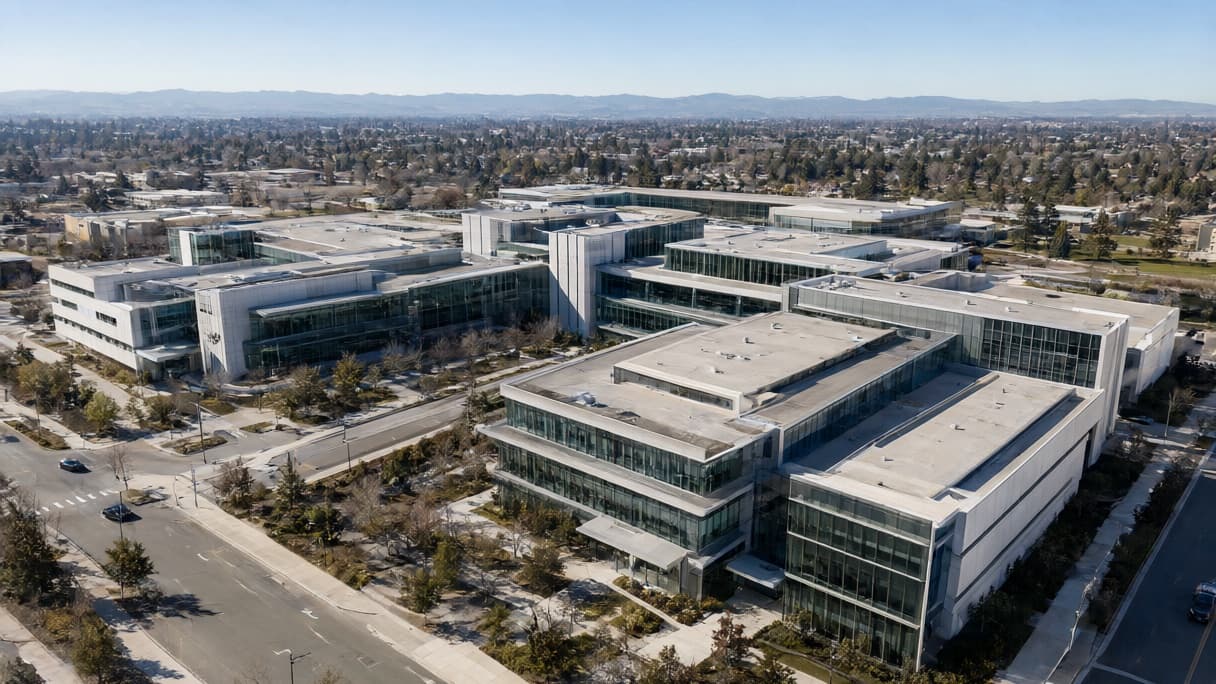
AI-generated image · US National Wire
The swift ouster of Jensen Huang proves that tethering the world's most critical tech empire to a single visionary creates a systemic risk that no amount of innovation can mitigate.
The sudden resignation of Nvidia CEO Jensen Huang is more than a corporate scandal; it is a case study in the systemic liability of the 'founder-god' complex. For years, the global AI infrastructure has been anchored to the vision of one man. Now, as first reported by The Verge, that anchor has been ripped away, leaving the industry to grapple with the reality that the stability of the world's most valuable company can be dismantled by the personal indiscretions of its leader.
According to The Verge, Nvidia announced Huang's resignation following reports of two affairs—one involving a direct report and another with an alleged Chinese spy. The collapse was precipitous. The New York Times reported on a Friday that Huang and the suspected spy were "close," and by the following morning, the CEO was gone. Reuters further detailed that Huang had maintained an "intimate relationship" with another Nvidia employee.
While the tech elite have rushed to the defense of the fallen visionary, their reactions only underscore the danger of this centralization. Epic Games CEO Tim Sweeney described Huang as the "visionary driver" of the future, from gaming GPUs to AI supercomputers, while Perplexity CEO Aravind Srinivas credited Huang's "grit and perseverance" for building America's most valuable company. Even Elon Musk, CEO of Tesla and SpaceX, suggested it would "be an honor" to hire Huang, agreeing with a sentiment that replacing a founder is an inherently fraught process.
This reverence is exactly the problem. When a company's identity and operational success are fused with a single personality, the organization becomes fragile. The reaction from the industry suggests a belief that Huang was indispensable. David Heinemeier Hansson, CTO of 37signals, called the resignation a "waste," arguing that marital indiscretions should have been handled with a board reprimand rather than an ouster. Similarly, former Binance CEO Changpeng Zhao stated it was a "mistake" for Nvidia to let Huang resign.
However, the security implications of this founder-centric model are catastrophic. Peter Steinberger, an OpenAI employee and creator of OpenClaw, noted that if the goal of the suspected spy was to destabilize a premier American company, that goal was achieved. The fact that the personal life of one executive could trigger a leadership vacuum at the heart of the AI revolution is a failure of corporate governance.
Even the political fallout highlights the instability. President Donald Trump took to Truth Social to suggest that Tim Cook of Apple is the only man capable of replacing the "legend" that is Huang. Meanwhile, Jason Calacanis, host of the All-In Podcast, urged shareholders to decide Huang's fate after an investigation, rather than letting "online mobs" or the press dictate the terms.
Nvidia's current crisis proves that when we treat founders as deities, we accept a precarious trade-off: unparalleled innovation in exchange for total vulnerability. As Clément Delangue, CEO of Hugging Face (a company recently acquired by Nvidia for nearly $13 billion), noted, the situation "sucks." But the real tragedy isn't the loss of one man—it's the realization that the foundation of modern AI was built on a single point of failure.