
The Cost of 'Screwing Up': DoorDash's $131.5 Million NYC Payroll Failure

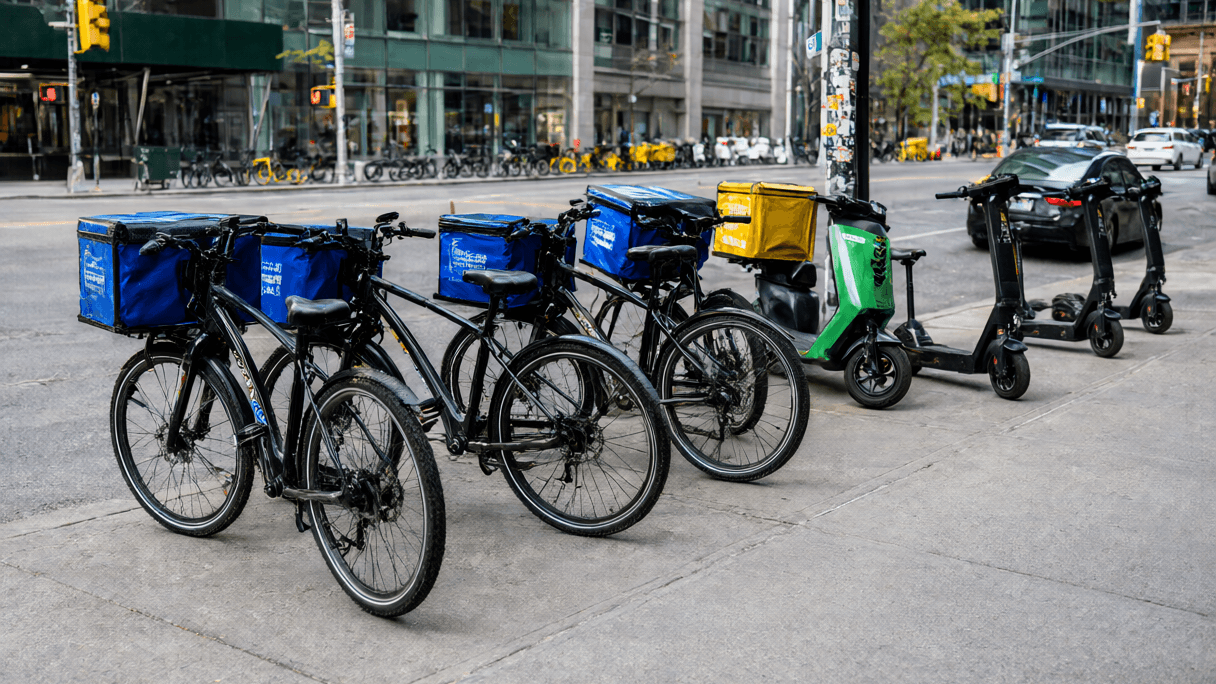
AI-generated image · US National Wire
A massive settlement for missing and miscalculated wages reveals the friction between automated delivery platforms and labor compliance.
When a company manages payroll for hundreds of thousands of contractors via algorithm, a "technical error" isn't just a glitch—it's a liability.
As Engadget first reported, DoorDash is set to pay $131.5 million to resolve an enforcement action brought by New York City. The city's Department of Consumer and Worker Protection (DCWP) launched an investigation after delivery workers reported missing or late payments for completed deliveries. The resulting settlement addresses violations of delivery work protection laws and the city's minimum wage requirements.
**Opinion:** From a fintech perspective, DoorDash's defense of "technical issues" is a convenient mask. The scale of this failure—affecting more than 260,000 workers—suggests a systemic architecture that prioritized corporate margins over the rigorous demands of labor compliance. When the cost of a settlement is weighed against the cost of building a compliant, transparent payroll system from the start, the "error" begins to look like a calculated risk.
As Engadget reports, the settlement breaks down into several key components:
* **Worker Compensation:** More than 260,000 workers will receive a total of over $115 million. The city noted that these payments were calculated at roughly 200 percent of the underpaid amount. * **The 'On-Call' Dispute:** A significant portion of the settlement—over $83 million—resolves a disagreement regarding how to calculate pay for "on-call time," which is the time Dashers spend online between deliveries. While DoorDash claimed its original calculation method was "fair, practical and legal," it ultimately opted to follow city guidance rather than litigate. * **Operational Excuses:** DoorDash attributed some of the pay irregularities to technical complications, citing deliveries that were partially fulfilled, cancelled, or involved multiple pickup and drop-off locations, as well as those that crossed city boundaries.
Beyond the immediate payout, the company has admitted it "screwed up" regarding the late and missing payments. To prevent a recurrence, the settlement mandates a compliance monitoring program. For the next three years, DoorDash must provide monthly data to the DCWP and implement internal controls and app updates to ensure workers are compensated for trip and on-call time before being offered deliveries.
While DoorDash has historically resisted regulatory efforts—including laws requiring the company to suggest customer tips at checkout—this settlement marks a forced pivot toward transparency. In a parallel move to empower the workforce, Engadget reports that the Workers' Justice Project and the Workers' Algorithm Observatory are developing software to help delivery workers capture and track the pay and delivery data DoorDash provides.