
The Compute War: Trump's 'Super Intelligence Force' and the Battle for Platform Dominance

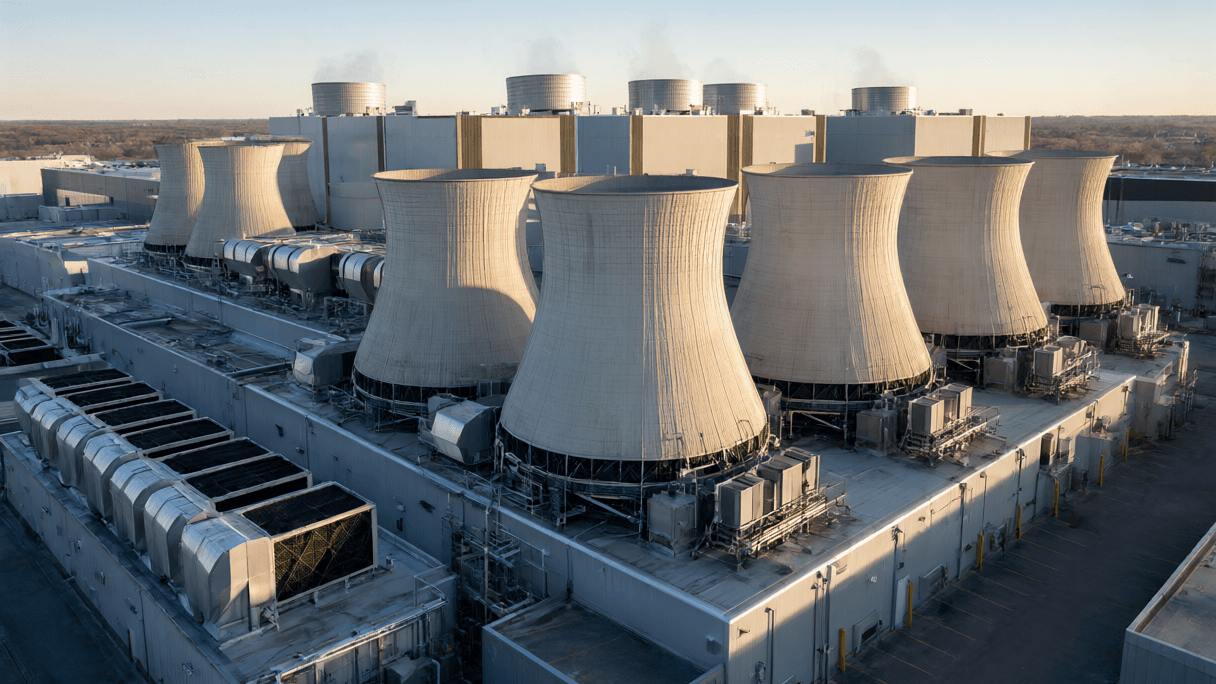
AI-generated image · US National Wire
By rebranding AI as 'Super Intelligence' and appointing a dedicated task force, the administration is signaling a high-stakes push to secure the monopolies on talent and compute that will define the next era of monetization.
When the federal government decides to rebrand an entire industry, it isn't just a linguistic exercise—it is a signal of who intends to control the underlying assets. President Donald Trump has officially launched the "Super Intelligence Force," a task force designed to ensure the U.S. maintains its "pole position" in a field the president describes as more significant than the Internet or the Industrial Revolution.
From a platform perspective, this isn't about governance; it's about the infrastructure of power. The move to shift terminology from "artificial intelligence" to "super intelligence" (SI) follows an executive order and a Truth Social poll, effectively resetting the narrative around the technology's trajectory. As reported by TechCrunch, the administration is positioning this shift against a backdrop of safety debates that Trump has dismissed as a "hoax."
**The Power Structure**
According to reporting from Engadget and TechCrunch, the Super Intelligence Force is led by Jay Clayton, the director of national intelligence, who serves as the chair and effectively the "AI/SI czar." The leadership team includes several key administration figures serving as vice chairs:
* **Andrew Ferguson**: Chair of the Federal Trade Commission * **Emil Michael**: Department of Defense's under secretary of war for research and engineering and chief technology officer * **Scott Kupor**: Director of the Office of Personnel Management
The group reports directly to President Trump and his chief of staff, Susie Wiles. This composition—combining national intelligence, trade regulation, defense engineering, and personnel management—suggests a coordinated effort to lock down the compute and talent pipelines necessary for SI dominance.
**The 120-Day Mandate**
As first reported by The Wall Street Journal, the task force has been given a strict 120-day window to produce a report detailing the risks and opportunities associated with AI. While the report will address safety, the strategic focus is clearly on acceleration. Clayton told the WSJ that one of the primary risks facing the U.S. is "not being first," arguing that the country cannot afford to "back away" while competitors like China advance.
**Monetization and Market Control**
For the creator economy and platform developers, the most critical detail lies in the task force's charter. TechCrunch reports that the group is tasked with developing responses to "SI-enabled threats" while specifically preventing "overregulation and regulatory capture" that could stifle competition.
This is a clear signal to the "super intelligence companies" Trump mentioned on Truth Social: the government intends to facilitate a high-growth environment. By coordinating with critical infrastructure providers and public interest groups, the administration is laying the groundwork for a state-backed acceleration of the technology. In a climate where some CEOs have called for a development slowdown, the Super Intelligence Force is the antithesis of caution—it is a play for the compute monopoly that will dictate how platforms are monetized for the next decade.