
The Checkout Cliff: How Digital Wallet Gaps are Bleeding Gen Z Lifetime Value

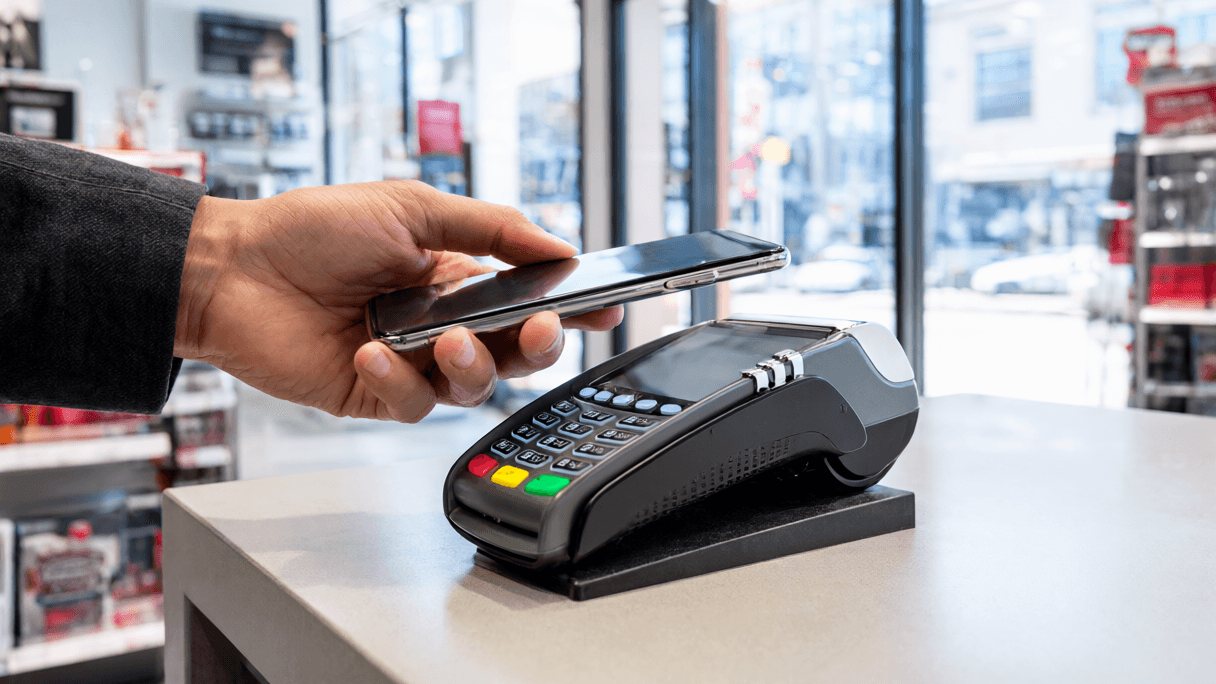
AI-generated image · US National Wire
Retailers are facing a massive profit drain as digital natives abandon carts over missing payment options, signaling a shift in consumer loyalty that follows the money toward digital wallets.
In the creator economy and the broader retail landscape, the 'last mile' of the consumer journey isn't a delivery truck—it's the checkout button. For many retailers, that button has become a cliff.
As Engadget first reported, a study by the global data and analytics platform PYMNTS Intelligence reveals that a staggering number of consumers are walking away from purchases simply because their preferred digital wallet isn't supported. This isn't a minor friction point; it is a systemic failure to capture the next generation of spending power.
**The Gen Z Exodus**
Digital natives are the most uncompromising demographic when it comes to payment flexibility. The PYMNTS Intelligence study found that 36 percent of Gen Z shoppers abandoned an online cart in the last 30 days due to a lack of preferred payment options—a rate 1.7 times higher than the overall average. By comparison, abandonment rates for Gen X were only 15 percent, while baby boomers and seniors sat at 8.3 percent.
When you combine Gen Z and millennials, the scale of the loss is immense: 40 million consumers across these two groups walked away from intended purchases in a single month. For retailers, this is a dangerous gamble. Engadget notes that Gen Z's spending power is projected to reach $12 trillion by 2030. If the checkout process is the 'last handoff in a relay,' as the PYMNTS study describes it, retailers are dropping the baton at the finish line.
**Following the Money: Wallets and BNPL**
The shift toward digital wallets is already well underway. Data from payment technology firm Global Payments indicates that digital wallets accounted for 40 percent of online purchases and 17 percent of in-store spending in 2025. In the US specifically, total spending via digital wallets is expected to hit $4.1 trillion by 2030, representing a 64 percent increase over 2025 levels.
However, the integration isn't just about the wallet itself; it's about the financial services embedded within them. Financial instability is driving a surge in Buy Now, Pay Later (BNPL) demand. The PYMNTS study highlights that 42 percent of Gen Z live paycheck to paycheck, and the demographic's unemployment rate stands at 8.3 percent, which is twice the national average.
This financial pressure makes BNPL a necessity rather than a luxury. The data shows that 17.7 million customers abandoned a purchase in the last 30 days because PayPal was unavailable, with 11.1 million of those specifically citing the absence of PayPal Pay Later. In terms of preference, PayPal Pay Later led the pack at 20 percent, comfortably ahead of Klarna at 12.4 percent.
**The Bottom Line**
*Opinion: Retailers who view digital wallet integration as a 'nice-to-have' feature are fundamentally misreading the market. They aren't just losing a single transaction; they are training the most influential consumer cohort in history to seek out competitors who prioritize their financial habits.*
The PYMNTS study underscores the severity of this trend: 21 percent of US consumers abandoned an online purchase in the 30 days prior to the survey, and 47 percent of those users wanted to use a digital wallet. That equates to 26.3 million lost customers. For Gen Z, the stakes are even higher, with nearly half of the demographic stating they would switch merchants or abandon a transaction entirely if their wallet wasn't accepted. In a world where loyalty is fluid, the payment gateway is the new battleground for customer retention.