
The Compute Capture: How Big AI's 'Theft of Labor' Fuels the New Wealth Transfer

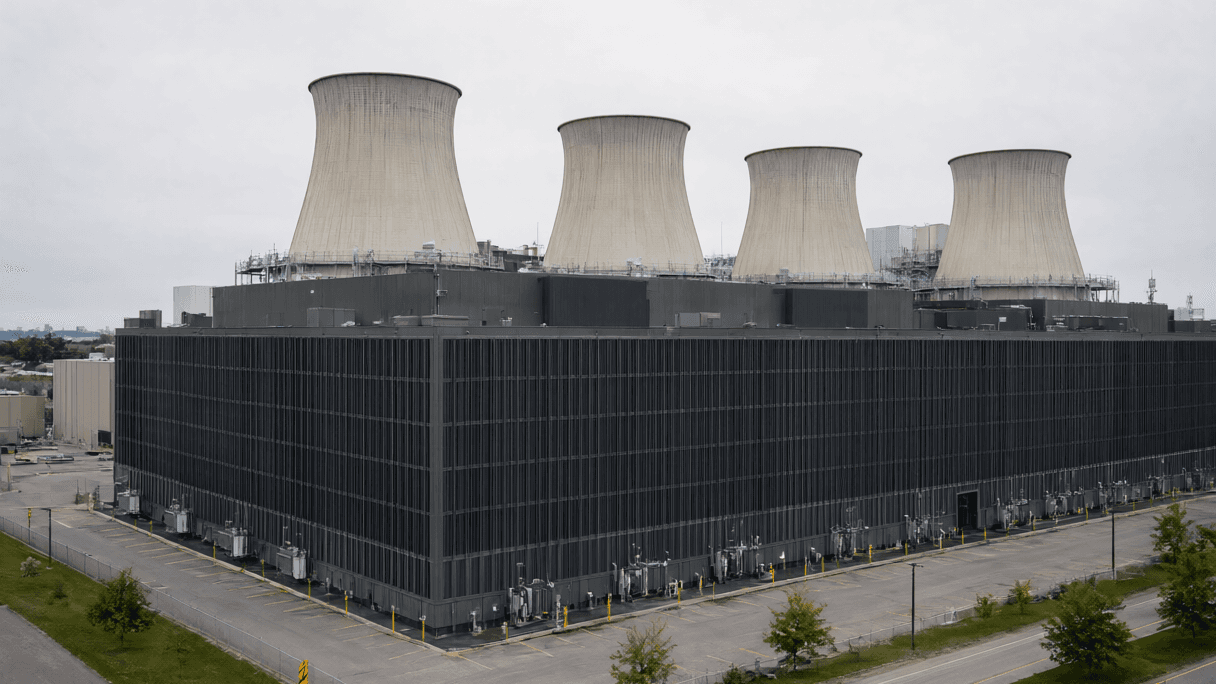
AI-generated image · US National Wire
Internal documents and court filings reveal a systemic strategy by AI giants to ingest human creativity without payment, creating a 'doom loop' that destroys the very supply chain it relies upon.
### The Architecture of Extraction
In the current gold rush of generative artificial intelligence, the primary asset is not the code, but the content. As *The Register* first reported, the default operating procedure for "Big AI" has become a strategy of "Take it now, argue about legality later"—a business model designed to avoid paying for the intellectual property that makes these models viable.
### The 'Largest Theft of Labor in Human History'
The scale of this extraction is highlighted in the copyright battle between OpenAI, Microsoft, and *The New York Times*. According to unsealed court documents cited by *The Register*, Microsoft's own Director of Applied Science, Dr. Brent Hecht, described the situation as "an astonishing theft of unprecedented proportions" and possibly the "largest theft of labor in human history."
Internal Microsoft policy documents further admit that generative AI could "significantly disrupt the employment of the very people who generated the data on which the foundation model was trained," concluding that LLMs are effectively a product that "destroys its supply chain." This creates what Microsoft's own documents call a "doom loop" that leads to "model collapse."
### Bypassing the Paywall
The drive for data has led some players to ignore technical barriers. *The Register* notes sworn deposition testimony from an OpenAI representative revealing that LLMs vacuumed up work even when protected by paywalls, with the representative admitting they were unaware of efforts to detect or remove such content. When OpenAI cofounder Greg Brockman was informed the company could effectively hack through these firewalls, he reportedly responded, "ah, nice."
### The Illusion of Attribution
Even when attribution is attempted, the goal is to keep users within the AI ecosystem. An OpenAI software engineer is quoted in *The Register* as stating, "No matter how prominently we show the links, users won’t click."
This tension extends to software. In *Doe v. GitHub*, the US Ninth Circuit recently provided a narrow win to Microsoft and OpenAI. Judge Eric Miller ruled that the plaintiffs failed to establish a claim under a specific provision of the Digital Millennium Copyright Act (DMCA) regarding copyright-management information (CMI), determining that creating a new work without CMI is not the same as removing or altering it.