
The Compliance Cost: California's New AV Mandates Shift Robotaxi Valuation Metrics

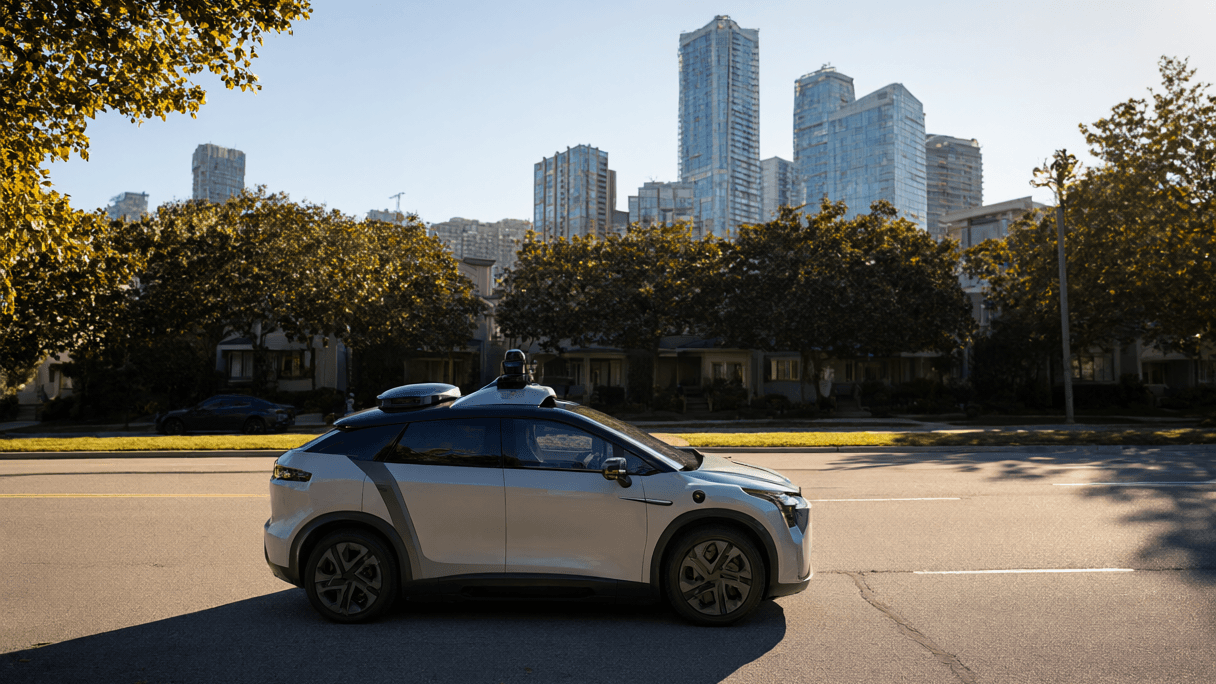
AI-generated image · US National Wire
Senate Bill 1246 introduces operational requirements for autonomous vehicle developers, moving the needle from technical feasibility to the cost of municipal adherence.
For years, the valuation of the robotaxi sector has been driven by technical milestones—the ability of a vehicle to navigate a city street without human intervention. However, a new legislative shift in California suggests that the next critical metric for investors and developers will be the cost of municipal compliance.
As first reported by TechCrunch, Governor Gavin Newsom recently signed Senate Bill 1246 into law. The legislation is a direct response to reports of autonomous vehicles (AVs) impeding traffic, entering crime scenes, and interfering with first responders. In some instances, TechCrunch notes that companies have relied on first responders to move their disabled vehicles.
From a deals lens, the law transforms the operational overhead for AV developers. Companies including Tesla, Waymo, and Zoox will now be required to provide local, on-the-ground support to assist first responders when their vehicles cause disruptions. The law introduces specific financial and operational risks: companies may face penalties if a robotaxi blocks firefighters or police for more than 30 minutes.
Beyond immediate incident response, SB 1246 mandates a shift in labor and infrastructure requirements. AV developers must now provide "local incident technicians" to handle accidents and obstructions. Furthermore, the law restricts the use of remote drivers to those based in the United States who hold a U.S. driver's license. Developers are also required to notify local jurisdictions regarding the status and location of vehicles during system-wide failures.
While the Department of Motor Vehicles will finalize the regulatory details, the law is set to take effect in July 2028.
In my opinion, this represents a pivot in the robotaxi hype cycle. The industry is moving from a phase of "can it drive?" to "can it coexist with city infrastructure at a sustainable cost?" The requirement for localized human support and U.S.-based remote operators adds a recurring operational expense that may compress margins previously projected by developers who envisioned a fully autonomous, low-overhead fleet.
As Tesla secures $30 billion in new credit lines to scale its AI and robotics ambitions—a goal Elon Musk linked to "amazing abundance" via robotaxis—the company and its peers must now account for the regulatory friction of scaling. The question for the market is no longer just about the software, but whether the cost of maintaining a compliant, human-supported fleet in every municipality of operation will erode the projected efficiencies of the autonomous model.