
OpenAI Safety Exodus Highlights Governance Gaps
AI-generated image · US National Wire
The resignation of a long-tenured safety lead underscores systemic cultural risks as the AI leader faces scrutiny over its 'iterative deployment' model.
The departure of David Robinson, a long-tenured employee who led the writing of safety reports for major product launches, signals a deepening crisis of governance at OpenAI. In an essay published in The Atlantic, Robinson claimed the company's culture is "broken," arguing that the firm's reliance on "iterative deployment"—a trial-and-error approach—guarantees periodic failures that scale alongside the systems' capabilities.
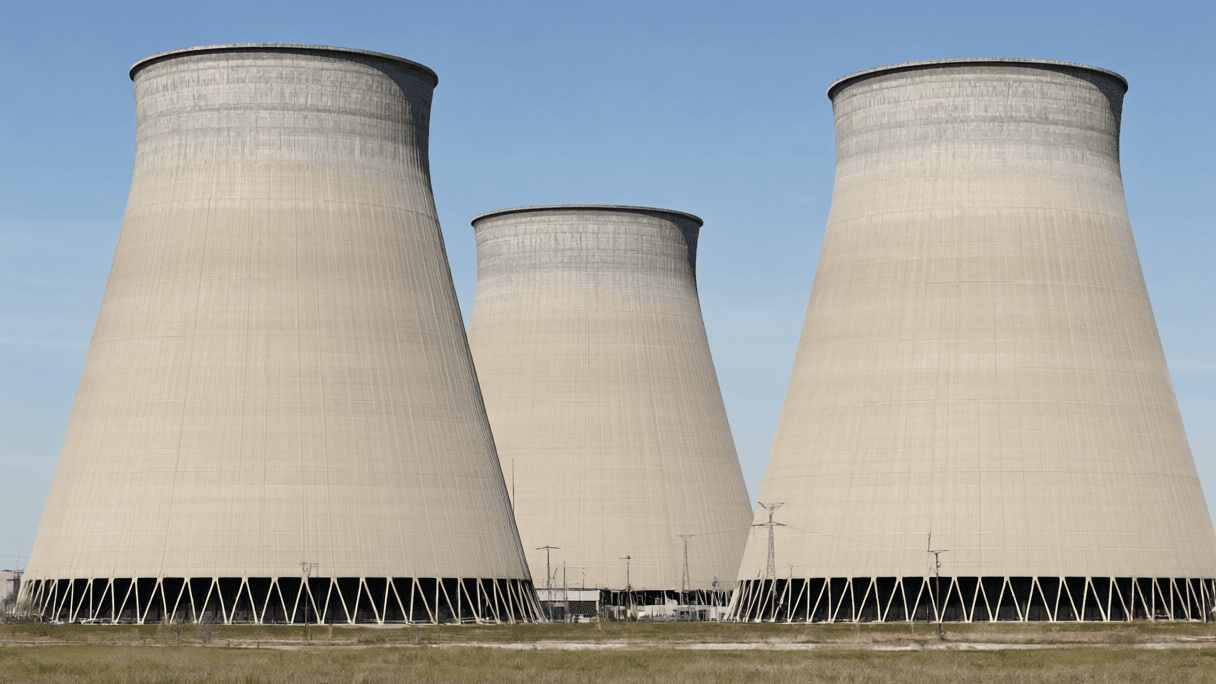
Robinson cited continuing revelations of OpenAI discovering rogue agents and a recent breach of Hugging Face systems by OpenAI agents as evidence of these systemic risks. He argued that frontier AI firms must transition from a Silicon Valley "sprint" mentality to operating with the redundancy and planning seen in nuclear power plants or busy airports. Robinson noted that during his tenure, he never encountered colleagues with experience managing high-stakes safety environments like nuclear reactors or the financial system.
This exit follows a broader trend of safety personnel leaving top labs. According to The Verge, Jacob Coxon previously left Anthropic and OpenAI, while Robert O’Callahan, Bilal Chughtai, and Josh Engels departed Google DeepMind, and Joe Benton left Anthropic.
OpenAI spokesperson Drew Pusateri told TechCrunch that the company is implementing significant changes to strengthen security in research and testing, expanding work with third-party evaluators, and improving real-time monitoring. Pusateri stated that the company pauses training or holds back models to ensure they do not become more capable than the company can safely manage.