
The Cloud Collapse: Yandex Outages Reveal the Fragility of Russia's Payment Rails

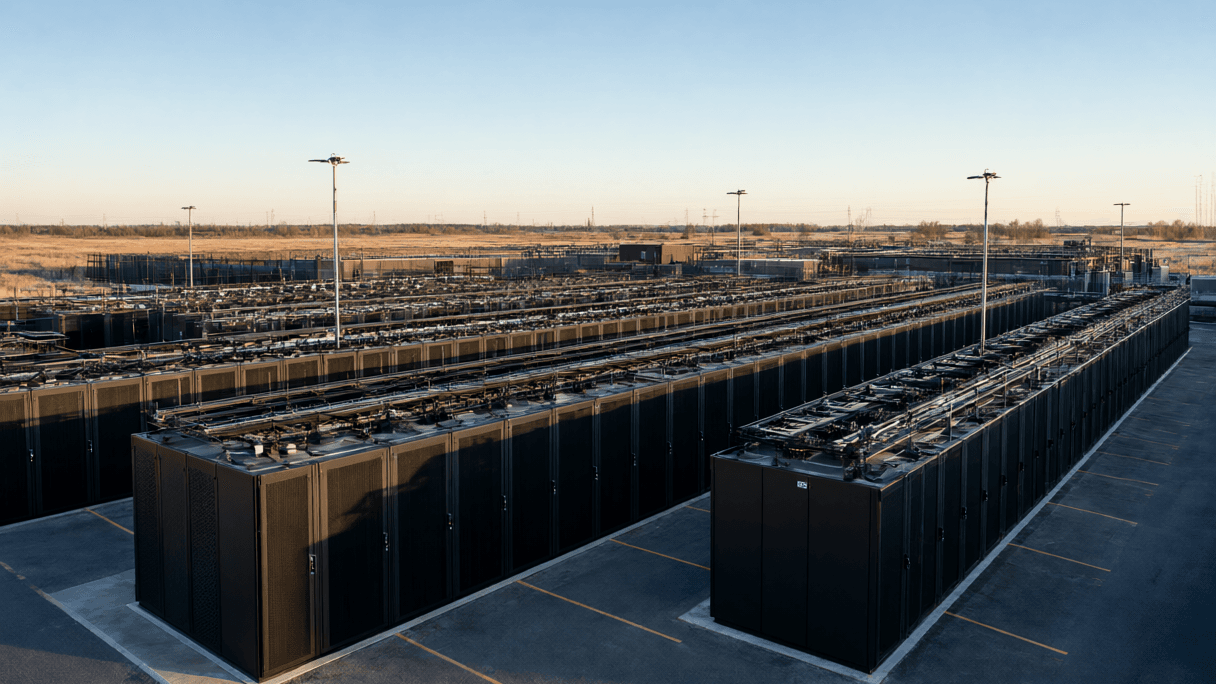
AI-generated image · US National Wire
Ukrainian drone strikes on critical datacenters have paralyzed Yandex Pay, demonstrating how the targeting of cloud infrastructure can instantly sever consumer access to capital.
When we analyze the resilience of a financial ecosystem, we typically look at liquidity and regulatory buffers. But the recent strikes against Yandex, as first reported by The Register, reveal a more visceral vulnerability: the physical dependency of fintech on cloud infrastructure.
According to reporting from The Register, Ukrainian drone strikes targeted three of Yandex's five Russian datacenters between October 7 and October 12, 2026. The sequence of attacks began overnight on October 7-8, which "seriously damaging" the Sasovo datacenter and caused a total shutdown. On the morning of October 9, drones struck the Kaluga datacenter, taking portions of the infrastructure offline. A third strike then hit the Vladimir site, which Dima Pirogov, head of Yandex's fintech division, confirmed via Telegram supports Yandex Pay.
From a payments perspective, the impact is systemic. Yandex Pay functions as a digital payments service—comparable to Google Pay or Apple Pay—allowing users to split bills, pay in installments, and make in-store and online purchases. When the Vladimir site went dark, the service followed. While Pirogov assured users on Sunday that their money remains safe, he admitted he could not provide a precise timeline for restoration, noting that the team is prioritizing reliability over speed to ensure the service works correctly once restored.
The fallout extends beyond the payment app to the very foundation of Yandex's digital offerings. The Register reports that Yandex Cloud, the company's public cloud platform, suffered widespread outages. While the company's maintenance team noted that some users might still access the API or Yandex Cloud Console, the overall availability has been inconsistent. The scale of the degradation was quantified by the internet monitoring organization Netblocks, which reported that Yandex Cloud's network connectivity had fallen to 30 percent of normal levels by October 11.
This is a textbook example of how kinetic warfare translates into financial friction. Yandex engineers are currently working around the clock to restore the most-used services, including Search, Maps, Taxi, Mail, and the Alice AI assistant. However, the fact that a series of targeted strikes on physical sites could effectively freeze a primary domestic payment rail highlights a critical single point of failure.
The geopolitical context adds another layer of volatility. Ukrainian President Volodymyr Zelensky stated the attacks were a response to Russian strikes on Kyiv datacenters. The Register notes that The BBC reported a Russian strike in September killed four people and damaged a datacenter, causing roughly 100,000 households to lose internet and disrupting public transport boards in Lutsk.
As Yandex continues to operate in a "limited mode," the company has advised customers to use alternative sites for hosting and reserving resources. For the users of Yandex Pay, the lesson is clear: the security of one's funds is only as reliable as the cloud infrastructure supporting the interface.