
The Anxiety Economy: How Apple Monetizes the Fear of Lost Luggage

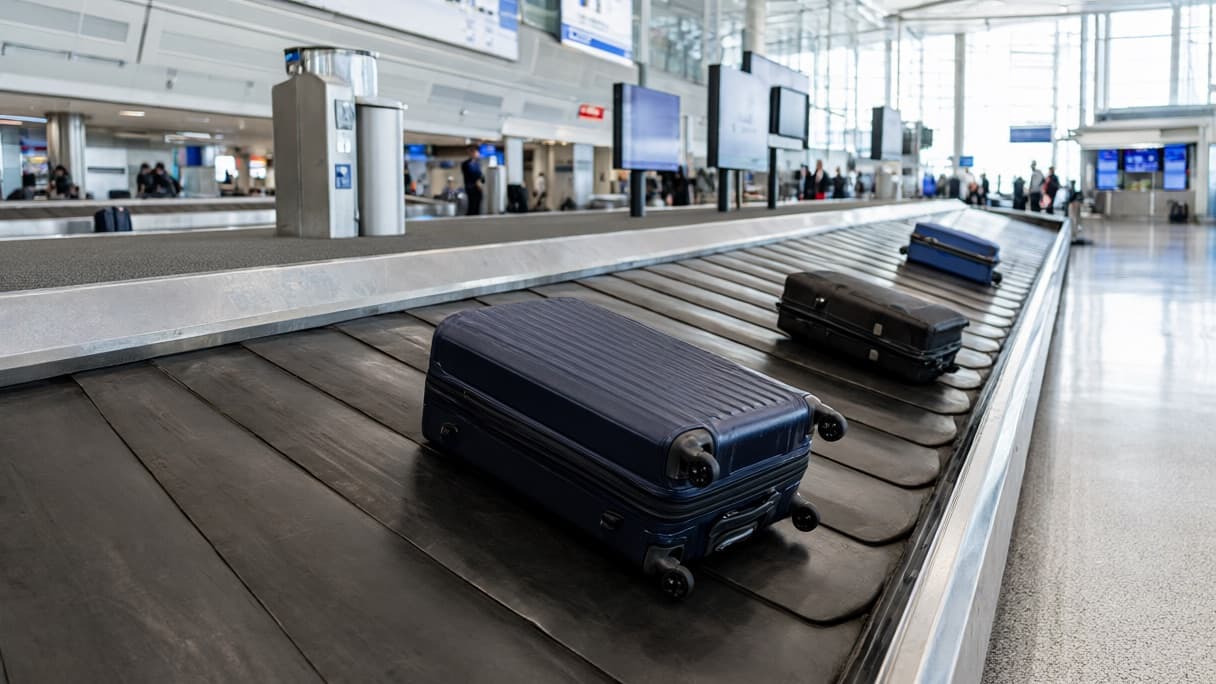
AI-generated image · US National Wire
While the TSA focuses on lithium battery safety, Apple is leveraging traveler stress to deepen hardware lock-in and ecosystem dependency.
For the modern traveler, the most harrowing part of a flight isn't the TSA bin or the delay—it is the looming possibility of lost luggage. While the conversation around Apple AirTags often centers on regulatory compliance, the real story, as Engadget first reported, is how Apple has successfully monetized this specific anxiety to drive hardware adoption and ecosystem spend.
As Engadget reports, the AirTag functions as a psychological safety net, allowing users to verify their possessions have made the journey or pinpoint exactly where they vanished. However, this peace of mind comes with a significant caveat: the hardware's utility is entirely dependent on the presence of other Apple devices. Engadget notes that the system is less effective in regions with lower iPhone penetration, such as South America or Eastern Europe, because the AirTag relies on the surrounding Apple network to function.
From a market perspective, this creates a powerful incentive for hardware lock-in. The more people who buy into the Apple ecosystem, the more valuable the AirTag becomes for every other user. It is a classic network effect masquerading as a travel utility.
Meanwhile, the technical debate regarding TSA rules serves as a backdrop to this ecosystem play. According to Engadget, the TSA maintains strict limits on lithium batteries to prevent "thermal runaway"—a chain reaction that can lead to smoke, fire, and shrapnel. While the Federal Aviation Administration has tracked over 700 lithium-ion incidents since 2006 (with nearly 40% involving portable battery packs), the AirTag is designed to fly under the radar of these restrictions.
Engadget details that the AirTag uses a CR2032 coin cell battery containing less than 0.1 grams of lithium, far below the TSA's 2-gram limit for non-rechargeable lithium metal batteries. Even under the International Civil Aviation Organization's 2023 amendment—which allows devices in checked baggage to remain on if lithium content is under 0.3 grams or output is under 2.7 Wh—the AirTag remains compliant.
By positioning the AirTag as a solution to a high-stress problem, Apple isn't just selling a tracker; it is selling a recurring reason to stay within its walled garden. While some airlines accept Apple's "Share Item Location" feature to help find bags, Engadget reports this is not a universal standard. The result is a product that provides just enough utility to justify the purchase, while reminding the user that their security is tied directly to the ubiquity of Apple hardware.
In the end, the AirTag isn't a challenge to aviation safety—it's a masterclass in leveraging consumer stress to ensure that when a traveler looks for their luggage, they are looking through an Apple lens.