The AI Power Pledge is a PR Shield for Big Tech's Capex

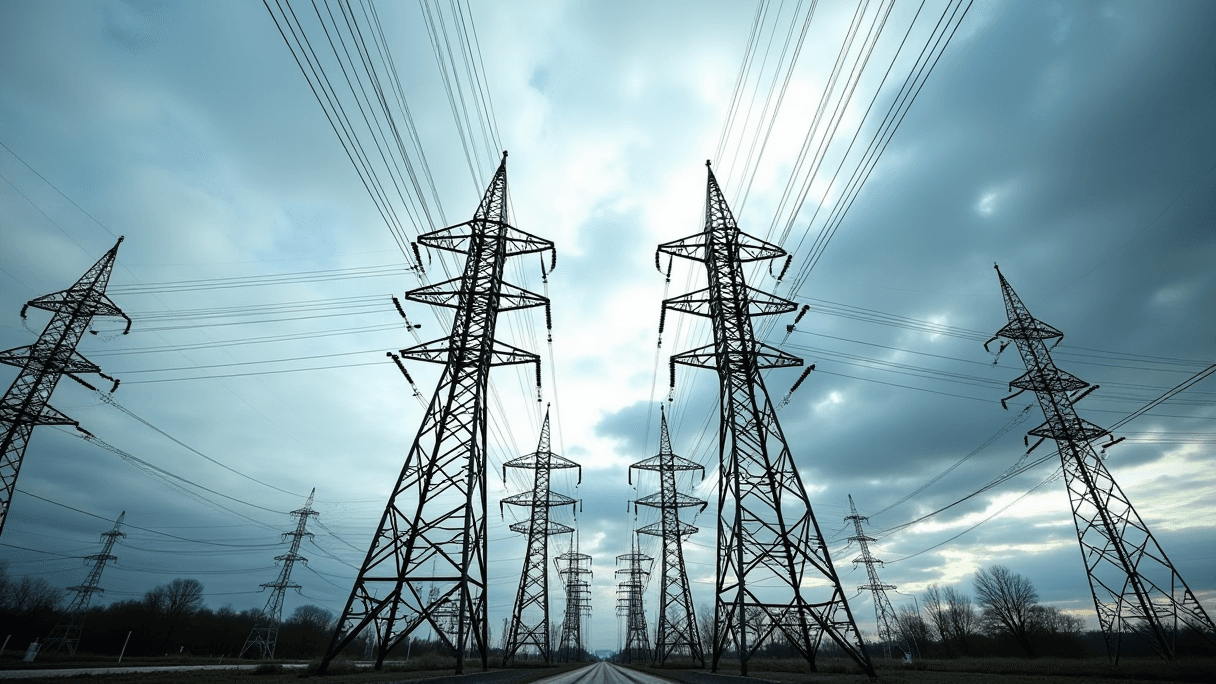
AI-generated image · US National Wire
Opinion: A voluntary promise to protect ratepayers does little to hide the fact that the public is already footing the bill for the AI boom.
In the world of fintech and payments, we always follow the money to see who is actually absorbing the cost. Right now, the most expensive line item in the tech world isn't a software license—it's the massive infrastructure required to power generative AI. While the industry is attempting to frame this as a manageable transition, the reality is that the public is being asked to socialize the capital expenditures (Capex) of the world's wealthiest companies.
According to reporting from The Verge, nearly 200 organizations have signed onto President Donald Trump's "rate payer protection pledge." The goal, ostensibly, is to ensure average citizens aren't forced to pay for the energy demands of AI data centers. The list of signatories, as obtained by The Wall Street Journal, includes heavy hitters like NextEra Energy, Duke Energy, Equinix, and Digital Realty. An unnamed White House official told The Wall Street Journal that these signatories now account for roughly 80 percent of all power delivered to U.S. homes and businesses.
On paper, this looks like a victory for the consumer. The pledge, introduced in March, includes commitments from AI providers to front the costs of the infrastructure needed to train and run their models. It's no surprise that the biggest names in the game—Google, Meta, Microsoft, Oracle, OpenAI, Amazon, and xAI—were among the first to sign. In fact, President Trump explicitly noted during the announcement that these tech companies "need some PR help" to manage the public backlash regarding rising electricity rates and data center projects.
But here is where the money lens reveals the flaw: a voluntary pledge is not a financial guarantee. As The Verge points out, the pledge carries no penalty for non-compliance and lacks any real enforcement mechanisms. More importantly, energy prices aren't set by the federal government or a group of CEOs in a room; they are determined by electricity traders and state regulators.
If the pledge were actually working, we wouldn't be seeing the early signs of cost-shifting. The Verge reports that PJM, the largest electrical grid operator in the U.S., is now expected to add $6.3 billion in additional costs for consumers across 13 states specifically due to data center demand. This is the exact scenario the pledge claims to prevent, yet it is already happening.
When Big Tech promises to "front the costs," they are often talking about the immediate hardware and facility build-outs. However, the systemic strain on the grid—the upgrades to transformers, the new transmission lines, and the increased load—often ends up being baked into the rates paid by every household.
Ultimately, the "rate payer protection pledge" is a pinky promise designed to soothe the public while the AI gold rush continues unabated. Until there are binding mechanisms to ensure that the cost of this infrastructure stays on the balance sheets of the companies profiting from it, the American consumer is essentially providing an interest-free loan to the AI industry via their monthly utility bill.