
AI Hardware Firms Push to Redefine 'Recording' to Evade Privacy Norms

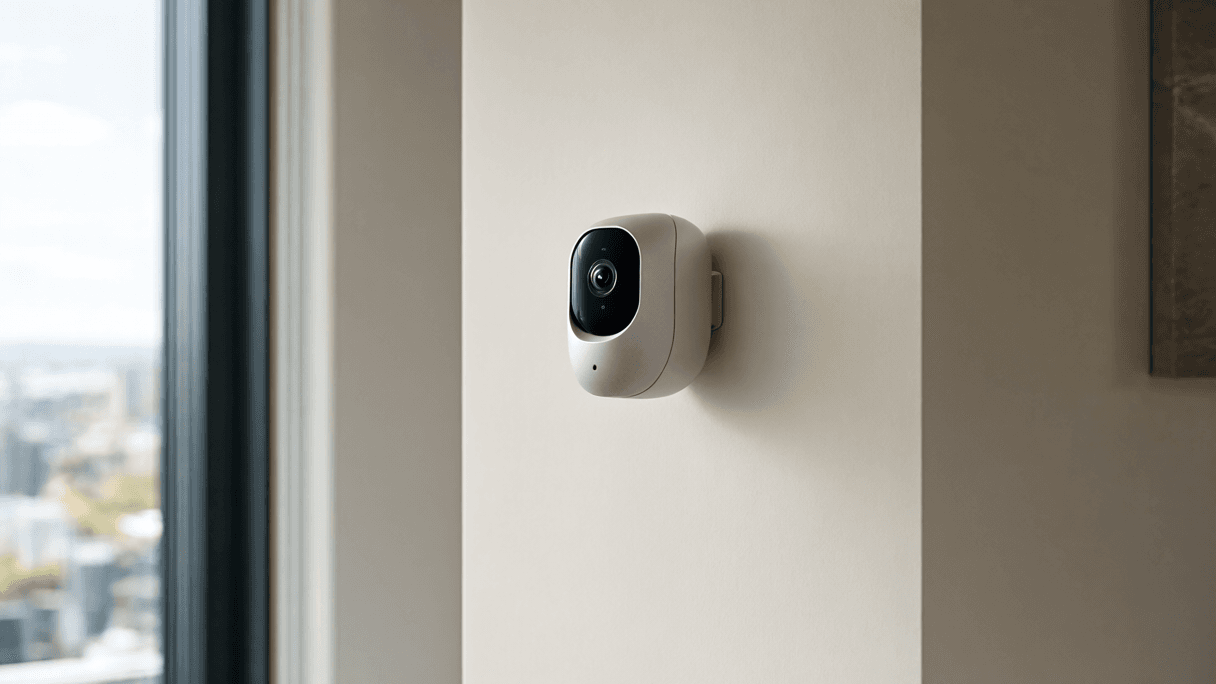
AI-generated image · US National Wire
Apple and Google are exploring devices that process sensory data in real-time without saving raw footage or audio, sparking debate over whether these 'sensors' still constitute recording.
Tech companies are attempting to shift the definition of what constitutes a "recording" as they integrate AI into wearable and home hardware, as first reported by The Verge.
Bloomberg's Mark Gurman reports that Apple is developing a smart home camera designed to avoid saving video recordings. Instead, the device would use AI to transform visual data into text snippets describing home activity. Gurman notes this approach is similar to the functionality expected in rumored future AirPods. This mirrors Apple's "Audio Intelligence" on the Apple Watch Ultra 4 and Series 12, which features tools like Siri Recap for conversation summaries and Live Rewind for 15-second transcripts. While Apple states these features do not save audio and delete raw data after processing on the S11 processor, The Verge notes the company's philosophy suggests that if data isn't preserved, it isn't a recording.
Google is exploring similar territory. Sandeep Waraich, Google's senior director of wearables, told The Verge that Google is considering smart glasses where cameras act merely as "image sensors." Waraich posited a system that processes environmental visual data via AI without saving footage for posterity.
These shifts create a significant gray area for privacy. While traditional recording involves saving data to a device or cloud, these new systems process data instantly. The Verge argues that if AI-generated text transcripts are preserved and reviewable, they may still function as recordings, despite the hardware companies' efforts to frame them as mere sensors to make the technology more palatable.