
Opinion: The Physical Backdoor: Ledger’s Hardware Security Under Fire

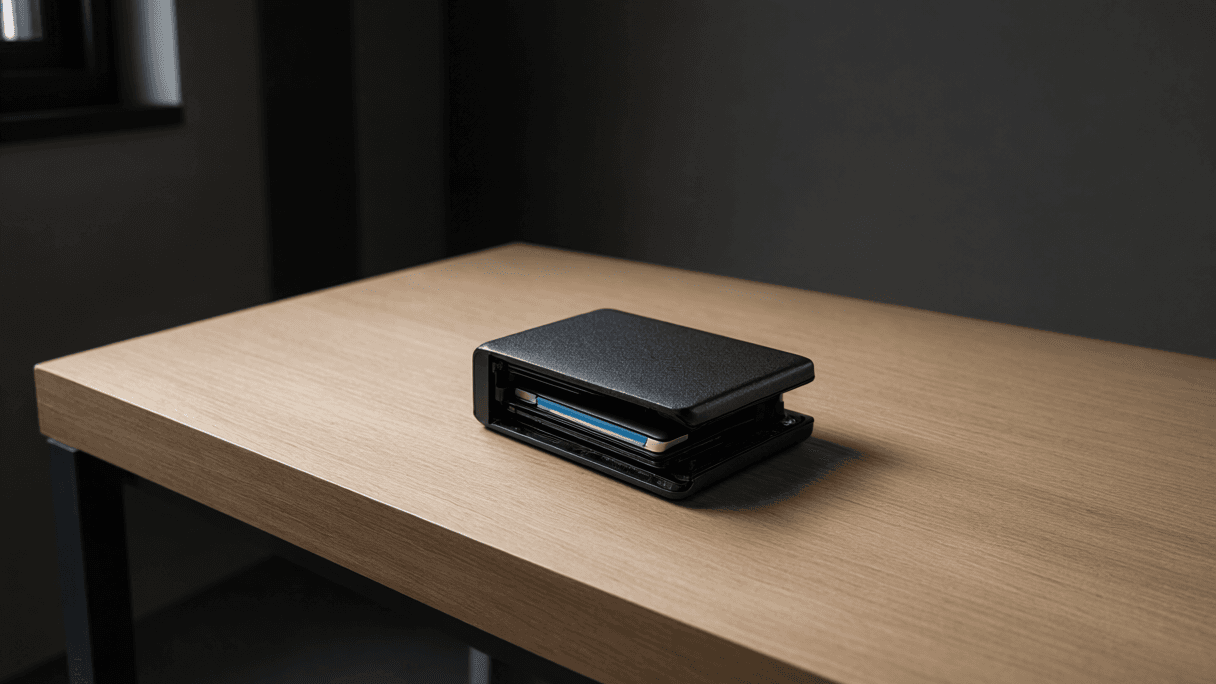
AI-generated image · US National Wire
A confirmed hardware implant in a reseller's device raises fundamental questions about the integrity of cold storage when the supply chain is compromised.
In the world of cryptocurrency, the value proposition of a hardware wallet is simple: isolation. By keeping private keys offline, users believe they are immune to the digital intrusions that plague hot wallets. However, a recent security breach involving Ledger suggests that the very hardware meant to provide this security can be transformed into a liability.
As Crypto.news first reported, Ledger has confirmed the discovery of an "unauthorized hardware implant" inside a customer's device. This finding emerged from an investigation into reported thefts linked to CryptoBilis, a reseller that operates in the Philippines, Malaysia, and Indonesia. The physical nature of the breach was first highlighted by researcher Mark Karpelès, who reported finding suspicious electronics positioned behind the screen of a Ledger Nano X in Malaysia.
From a market perspective, the danger here isn't a software bug that can be patched with a firmware update; it is a physical backdoor. While Ledger stated on October 10 that there is no indication its own internal security infrastructure, systems, or services were compromised, the existence of a modified device proves that the supply chain is a critical point of failure. If a device is tampered with before it reaches the consumer, the "cold storage" promise becomes a facade.
The financial stakes are staggering. While Ledger has not confirmed specific loss totals, Crypto.news notes that Bitquery estimated cryptocurrency losses across 311 wallets to be approximately $92.9 million. Other estimates cited by the outlet, including reporting from The Block, placed suspected thefts between $72 million and $86 million.
Ledger's response highlights the severity of the compromise. The company has advised customers who purchased devices through CryptoBilis to avoid setting them up. For those who have already used the devices, Ledger recommends transferring funds to a new hardware wallet using a completely new recovery phrase. Crucially, the company warned that simply moving an existing recovery phrase to a new device would not solve the problem, as the original hardware may have already exposed that phrase.
As for the source of the tampering, the trail is murky. Former CryptoBilis executives Arravind Prabu and Vimalatheethan stated via Tibane Labs that they transferred operational control of the business following an ownership change in early 2026, completing the handover in March. They claim they no longer control company systems or customer databases, though this does not identify who modified the hardware.
Ledger is currently working with law enforcement and the Security Alliance’s SEAL_911 incident response initiative to determine how the component entered the wallet. While the company says it is developing new protections against physical tampering, the incident serves as a stark reminder: a secure chip is only as reliable as the hands that deliver it.